ASUS ROG G614JI-N3410W RAM upgrade specifications
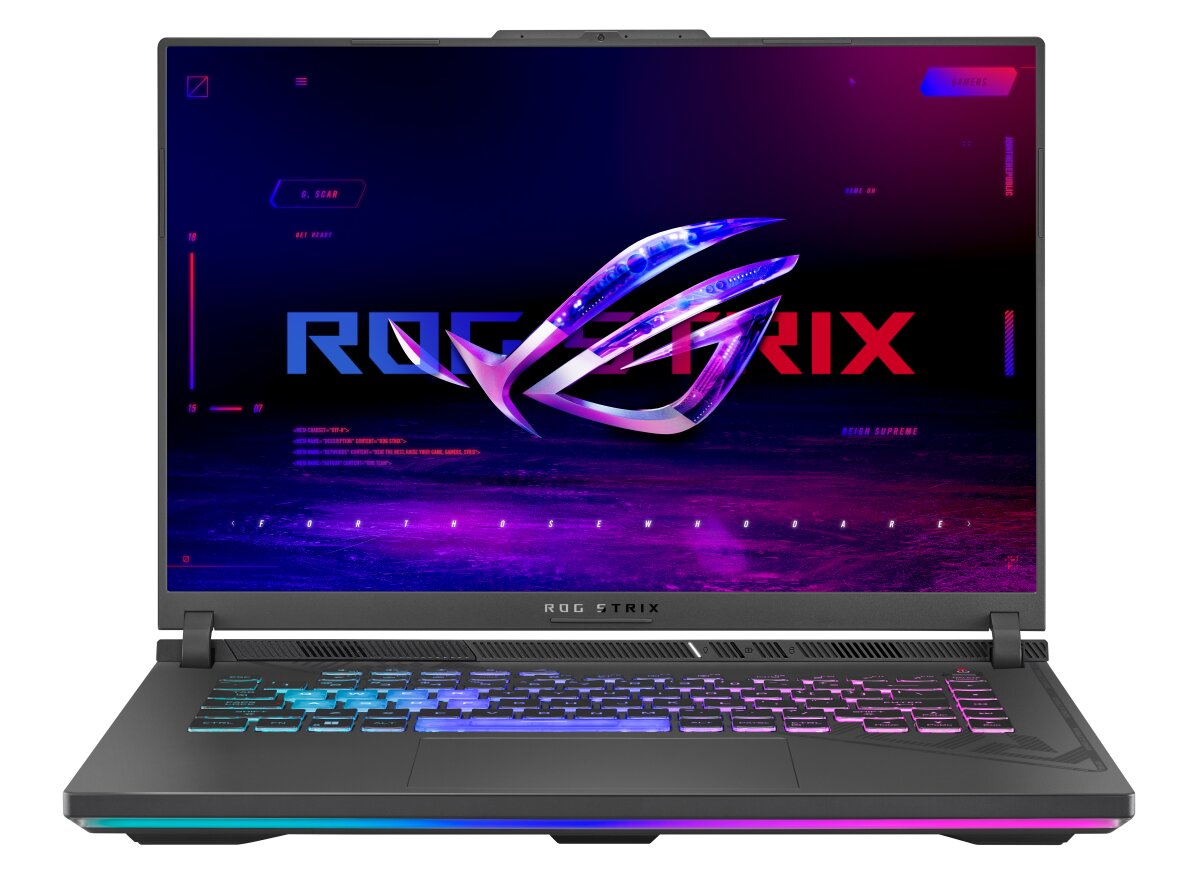
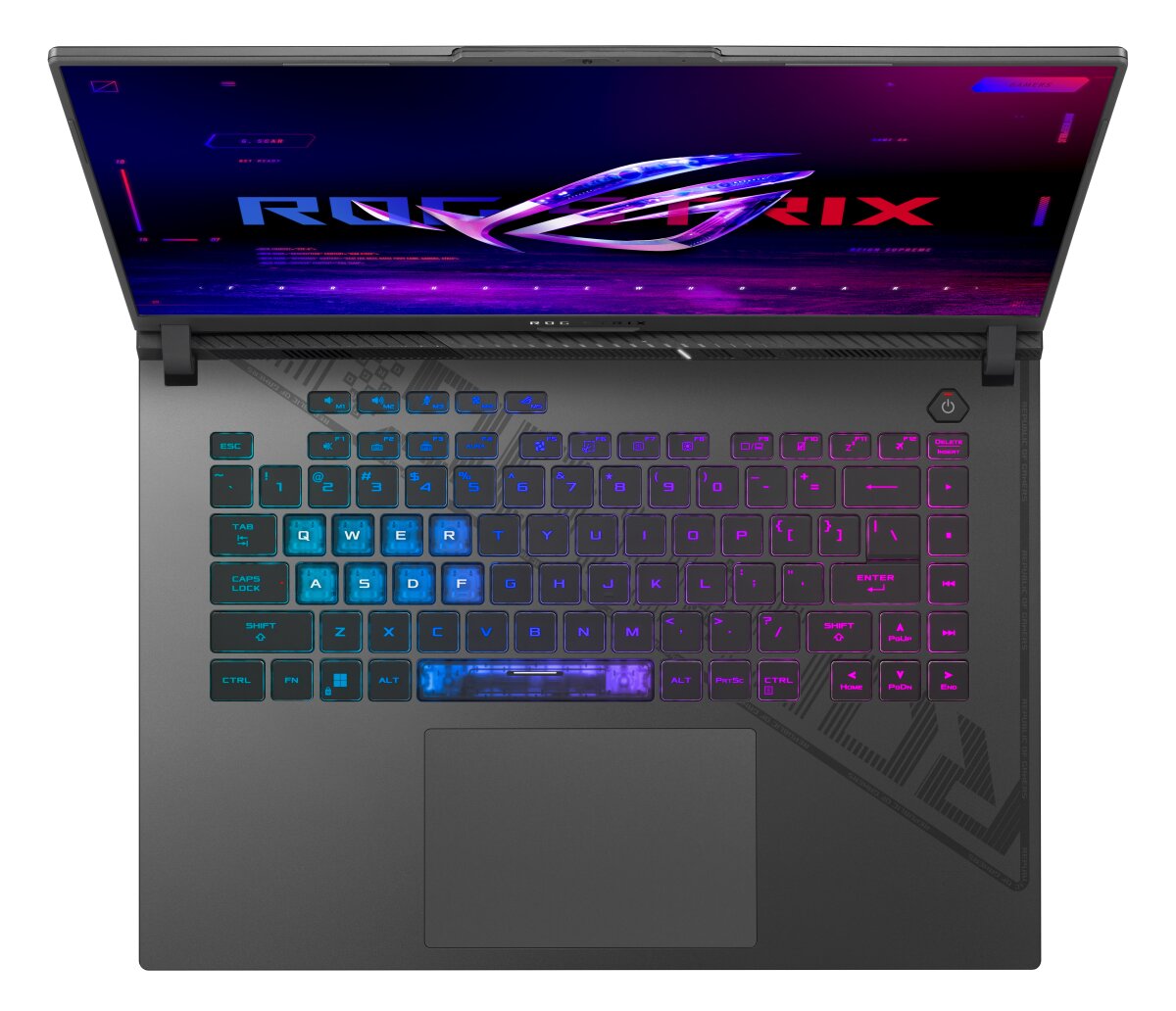
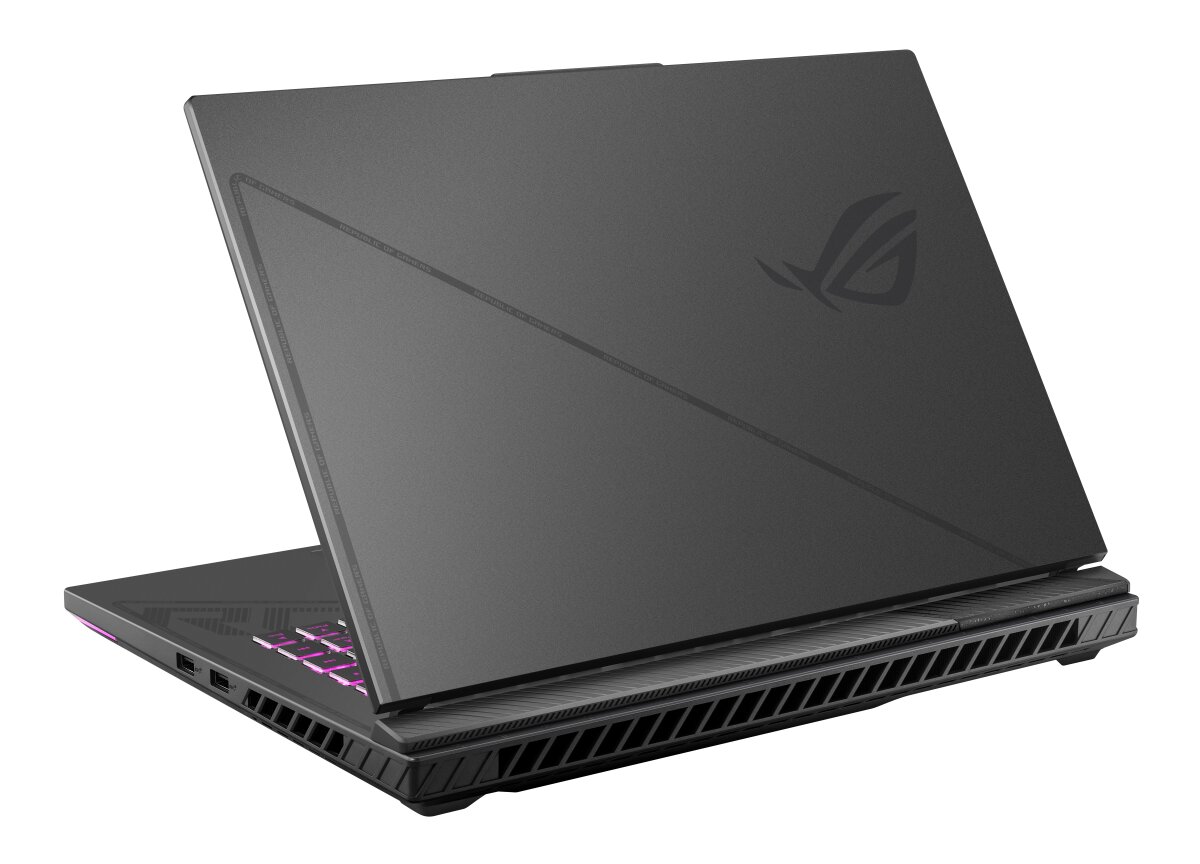
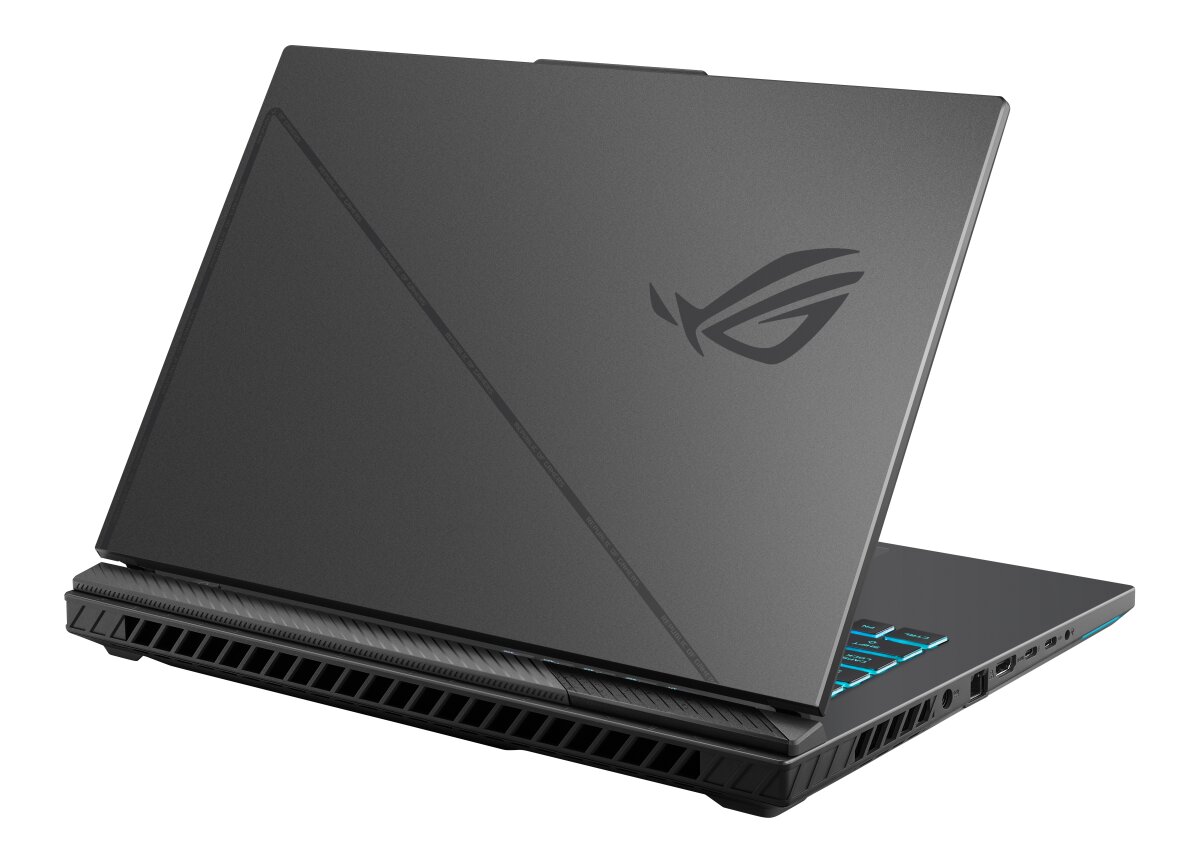
ASUS ROG Strix G16 G614JI-N3410W laptop memory upgrade specifications include two SO-DIMM slots supporting DDR5-SDRAM memory. The system accommodates maximum RAM capacity of 32 GB total, with compatible modules operating at 4800 MHz frequency. Upgrade options utilize SO-DIMM form factor memory compatible with specifications for this gaming laptop model.
Memory Upgrade Specifications
| Specification | Value |
|---|---|
| Memory slots | 2x SO-DIMM |
| Form factor | SO-DIMM |
| Memory type | DDR5-SDRAM |
| Frequency | 4800 MHz |
| Maximum RAM | 32 GB |
| Voltage | 1.1V |
| Number of pins | 262-pin |
| Interface | PC5 |
| PC Speed Rating | PC5-4800 (PC5-38400) |
| Bandwidth | 38.4 GB/s |
Additional Notes
- The DDR5-4800 specification limits compatibility to modules that support JEDEC baseline speeds, excluding faster DDR5-5200 or DDR5-5600 kits that lack downclocking capability.
- The 32 GB maximum capacity reflects Intel 13th generation chipset restrictions, requiring 2x 16 GB module configuration rather than allowing future expansion to 64 GB.
- SO-DIMM form factor prevents use of standard desktop DIMM modules, necessitating laptop-specific memory procurement with typically higher cost per gigabyte.
- Dual-channel architecture depends on symmetrical module pairing, meaning mismatched capacities or speeds force single-channel operation with approximately 30% bandwidth reduction.
- The ASUS ROG G614JI-N3410W memory controller operates DDR5 at 1.1V standard voltage, eliminating compatibility with XMP-only modules designed exclusively for desktop platforms.
- Two-slot configuration requires full memory replacement for capacity upgrades, as no additional slots exist for incremental expansion beyond the factory configuration.
- DDR5-4800 frequency represents JEDEC standard rather than overclocked specification, ensuring broader module compatibility without BIOS stability risks from non-standard timings.
- SO-DIMM installation requires chassis disassembly typically involving bottom panel removal, with potential warranty implications if factory seals are present on access points.
- The 32 GB ceiling impacts workloads requiring persistent large datasets in RAM, such as virtual machine allocation beyond 2-3 concurrent instances or RAW video editing above 4K resolution.
- Memory bandwidth peaks at 76.8 GB/s theoretical maximum with dual-channel DDR5-4800, creating potential bottlenecks for integrated graphics sharing system memory or AI inference tasks.