ASUS ROG G614JI-N3187W-GAMING RAM upgrade specifications
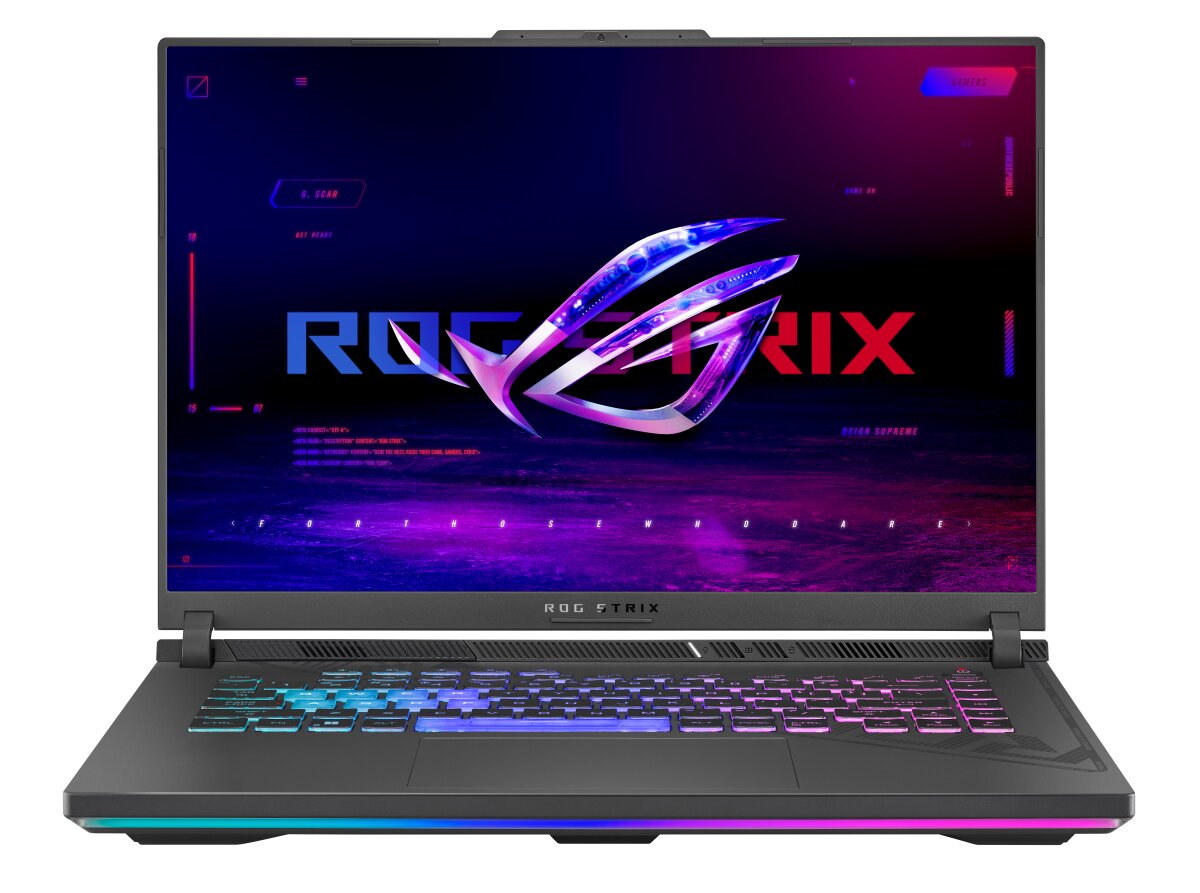
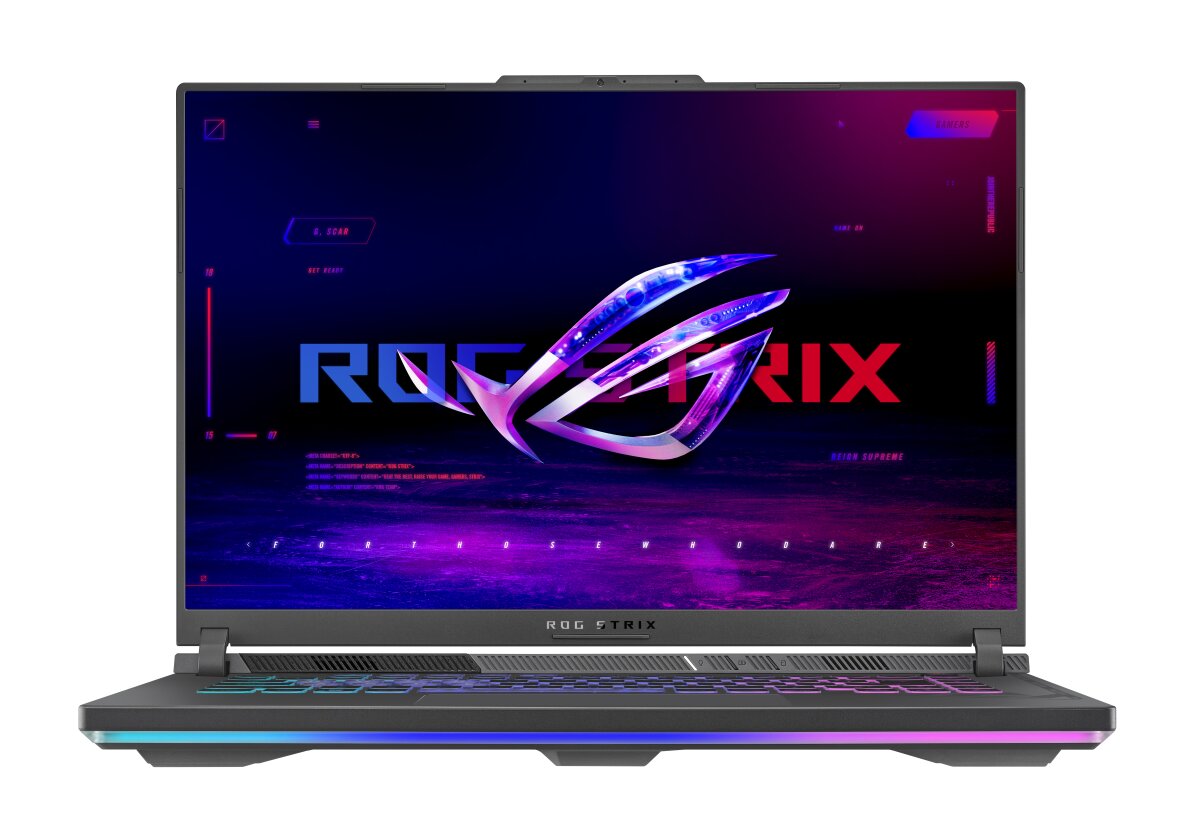
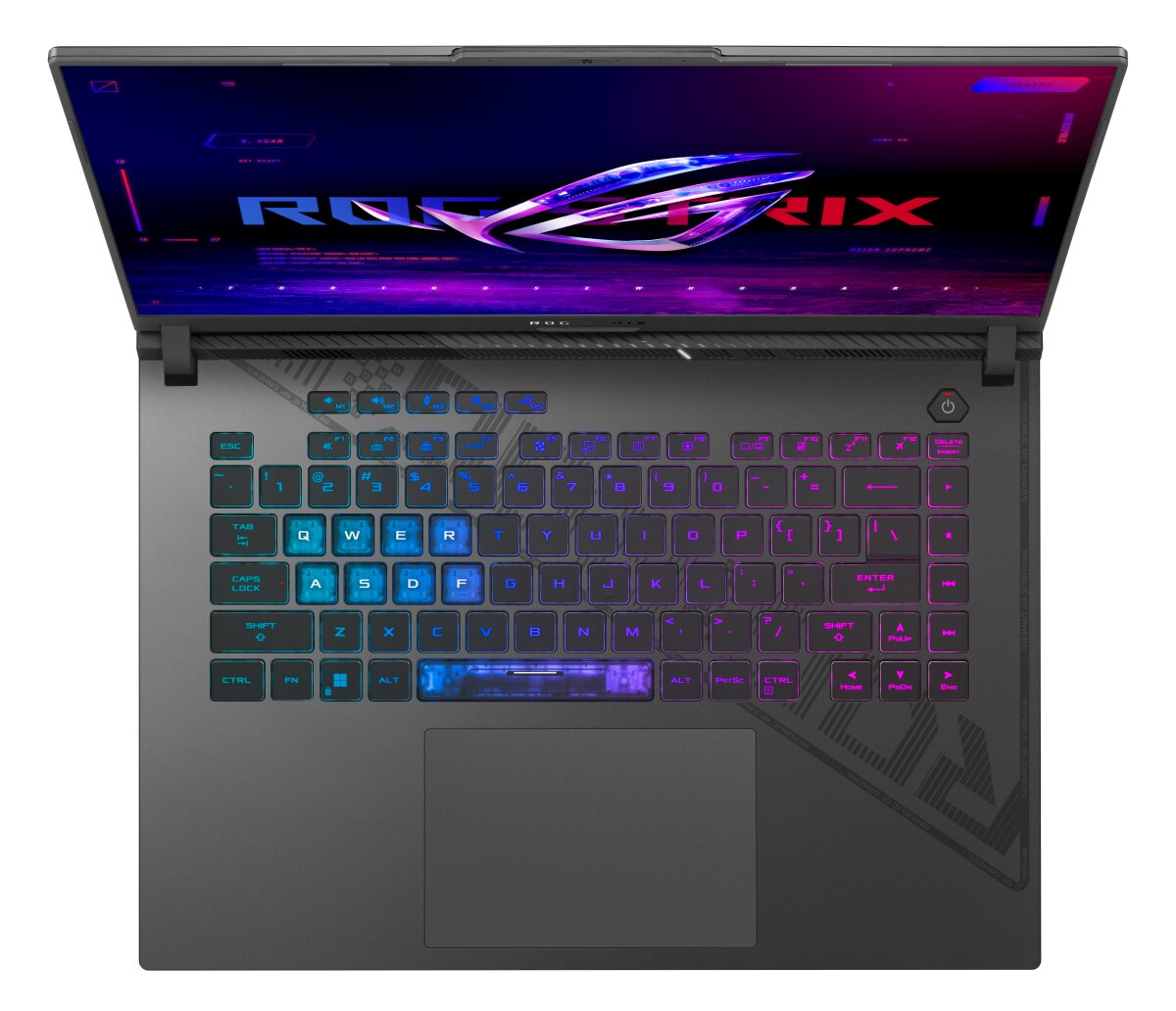
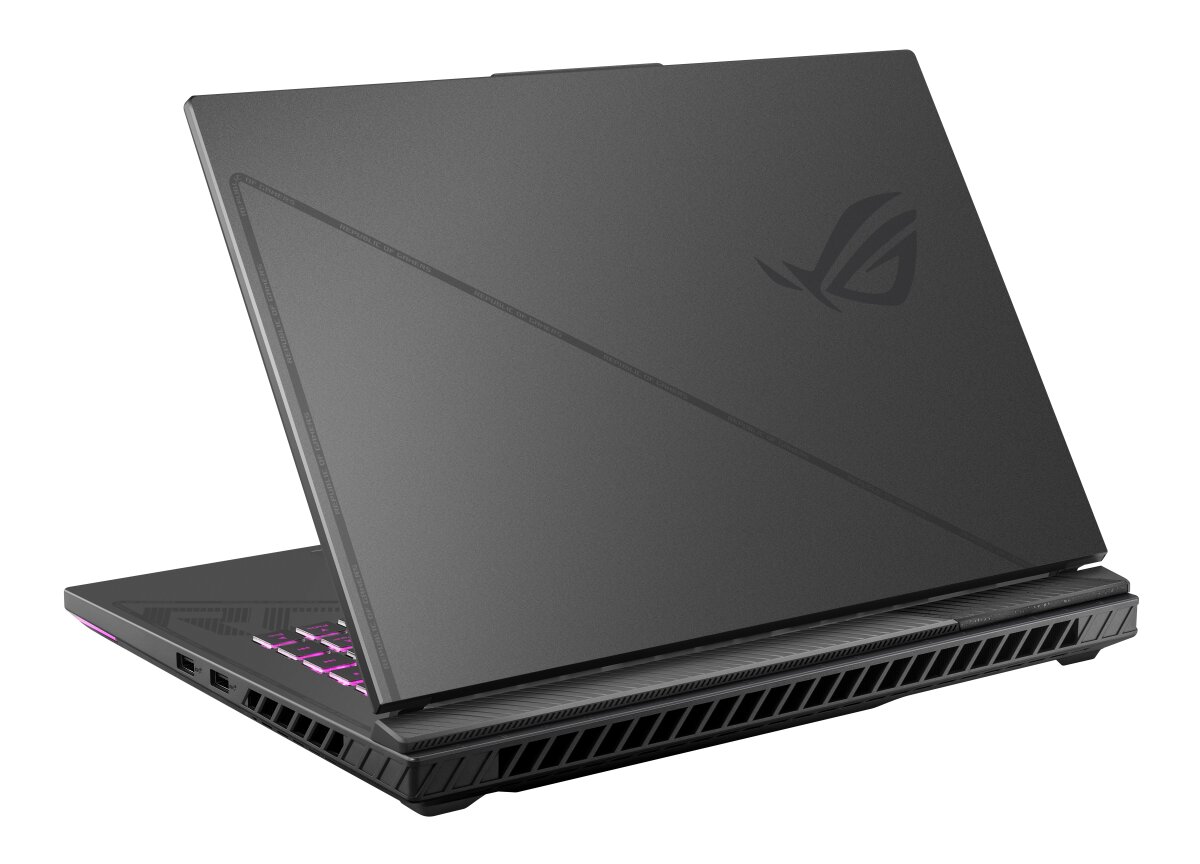
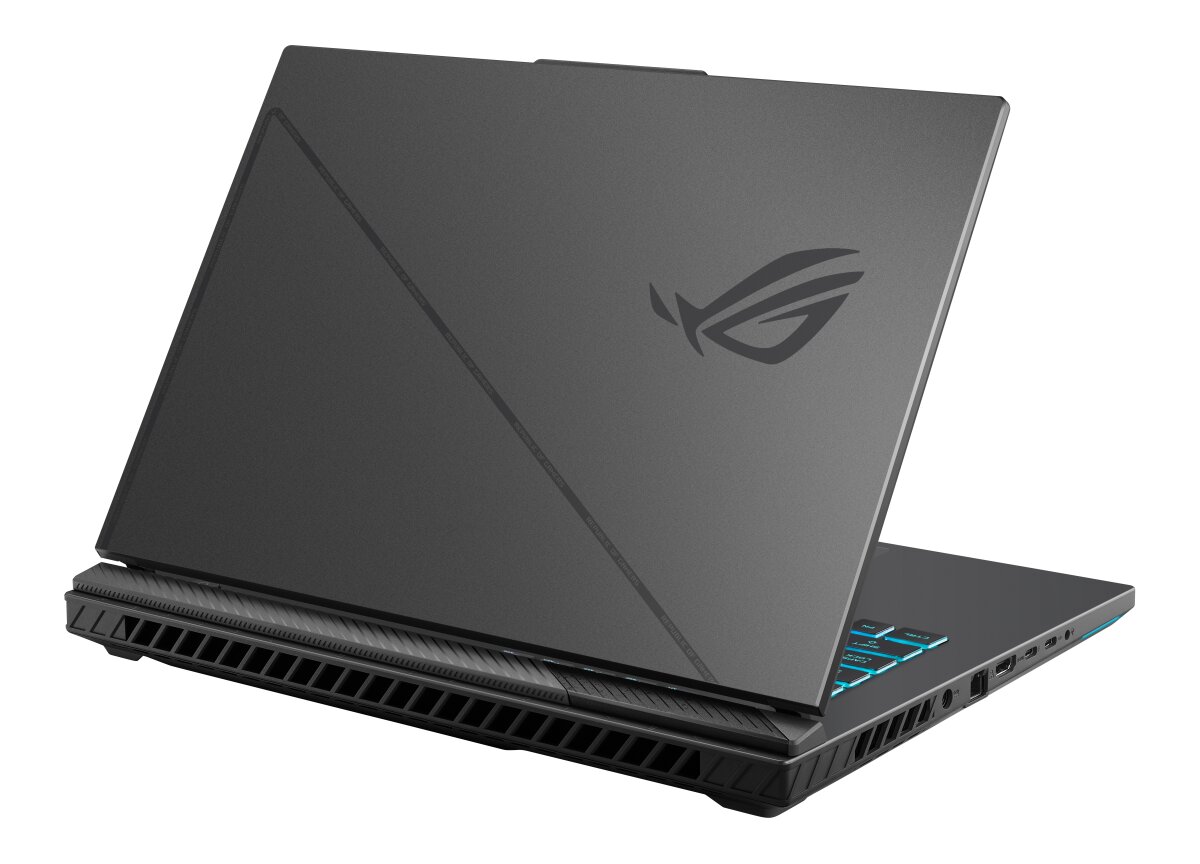
The ASUS ROG Strix G16 G614JI-N3187W-GAMING laptop features DDR5-SDRAM memory with upgrade capabilities through 2x SO-DIMM slots. Maximum RAM capacity reaches 32 GB, supporting specifications compatible with DDR5-4800 MHz frequency. Current memory configuration and available upgrade slots enable users to expand total system memory to specifications maximum. SO-DIMM form factor ensures compatibility with designated upgrade slots on gaming model architecture.
Memory Upgrade Specifications
| Specification | Value |
|---|---|
| Memory slots | 2x SO-DIMM |
| Form factor | SO-DIMM |
| Memory type | DDR5-SDRAM |
| Frequency | 4800 MHz |
| Maximum RAM | 32 GB |
| Voltage | 1.1V |
| Number of pins | 262-pin |
| Interface | PC5 |
| PC Speed Rating | PC5-4800 (PC5-38400) |
| Bandwidth | 38.4 GB/s |
Additional Notes
- The dual channel architecture requires symmetrical module pairs to achieve maximum memory bandwidth and prevent single channel bottlenecking during high load tasks.
- Physical memory expansion is limited to the replacement of existing modules because the system lacks additional vacant slots beyond the 2 used for the initial configuration.
- High density modules must conform to the 4800 MHz frequency ceiling to maintain system stability and prevent BIOS posting failures associated with unsupported XMP profiles.
- Internal access for memory replacement on the ASUS ROG G614JI-N3187W-GAMING involves managing delicate ribbon cables for case lighting that are often situated near the SO-DIMM housing.
- The 32 GB threshold indicates a firmware or chipset level limitation that prevents the utilization of 64 GB kits despite the availability of such capacities in the SO-DIMM form factor.
- Upgrading to modules with lower CAS latency parameters at the native 4800 MHz speed provides the only viable path for reducing memory access delays since clock speeds remain fixed.
- The transition to DDR5 technology necessitates the use of modules with on-die ECC and integrated power management integrated circuits which generate more localized heat than previous generations.