ASUS ROG G614JI-N3411-Gaming RAM upgrade specifications
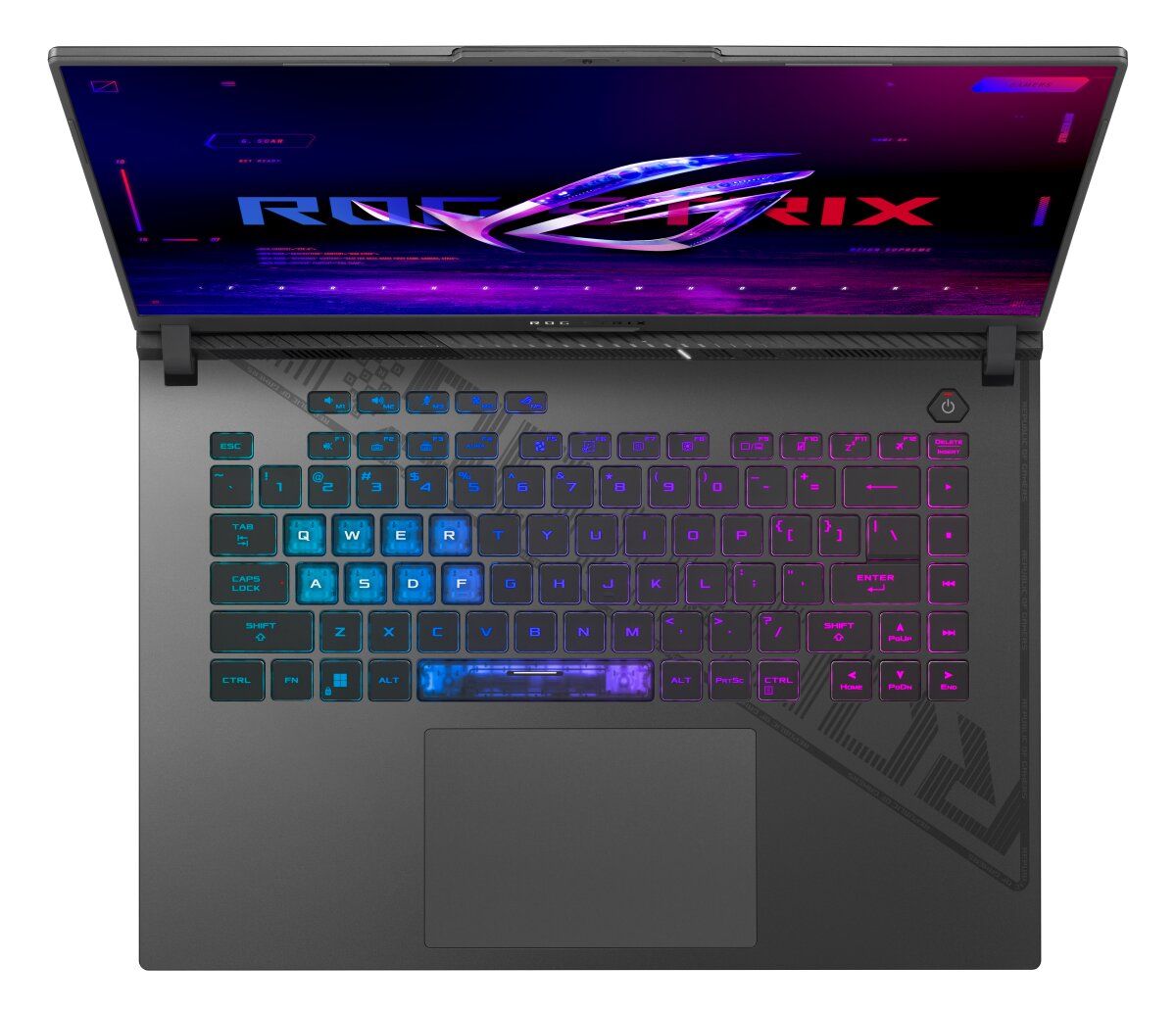



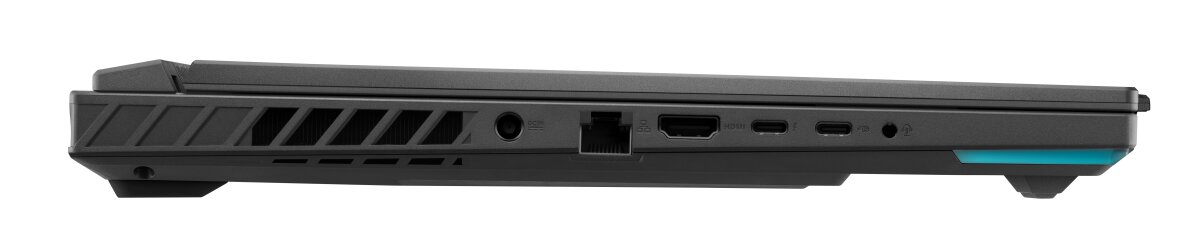
ASUS ROG Strix G16 G614JI-N3411-Gaming laptop features DDR5-SDRAM memory upgrade specifications with 2x SO-DIMM slots supporting maximum capacity of 32 GB. Compatible RAM operates at 4800 MHz frequency. The upgrade accommodates SO-DIMM form factor modules. Specifications enable memory expansion to enhance system performance for gaming and intensive applications.
Memory Upgrade Specifications
| Specification | Value |
|---|---|
| Memory slots | 2x SO-DIMM |
| Form factor | SO-DIMM |
| Memory type | DDR5-SDRAM |
| Frequency | 4800 MHz |
| Maximum RAM | 32 GB |
| Voltage | 1.1V |
| Number of pins | 262-pin |
| Interface | PC5 |
| PC Speed Rating | PC5-4800 (PC5-38400) |
| Bandwidth | 38.4 GB/s |
Additional Notes
- The 32 GB maximum capacity restriction likely stems from chipset or BIOS limitations rather than physical slot constraints, as DDR5 SO-DIMM modules are commonly available in 32 GB densities that would theoretically enable 64 GB total.
- DDR5-4800 represents the JEDEC baseline specification for this generation, indicating that higher-frequency modules rated at 5200 MHz, 5600 MHz, or beyond may downclock to 4800 MHz unless XMP/EXPO profiles receive explicit support through firmware updates.
- Dual-channel population of both SO-DIMM slots becomes essential for maximizing memory bandwidth, as DDR5's dual-channel architecture per module requires symmetric configuration to avoid reverting to asymmetric mode that halves theoretical throughput.
- The SO-DIMM form factor mandates 262-pin modules specifically designed for mobile platforms, making standard desktop DIMM memory physically incompatible regardless of DDR5 generation compatibility.
- Mixing modules with different CAS latencies or primary timings may force the memory controller to adopt the slower timing profile across both slots, potentially degrading performance below the specifications of the faster module.
- Voltage requirements for DDR5 standardize at 1.1V compared to DDR4's 1.2V, meaning that DDR4 SO-DIMMs remain electrically and mechanically incompatible despite identical slot counts in the ASUS ROG G614JI-N3411-Gaming chassis.
- Non-matching module capacities between slots will still operate but may disable rank interleaving optimizations that improve burst access patterns during memory-intensive workloads.
- On-die ECC functionality inherent to DDR5 architecture operates transparently at the hardware level, distinct from traditional ECC that requires specific motherboard and module support unavailable in consumer gaming platforms.
- Thermal considerations become relevant as DDR5's higher power consumption per module compared to DDR4 may benefit from modules equipped with integrated heat spreaders, particularly during sustained memory bandwidth saturation.
- User-accessible SO-DIMM slots typically permit RAM replacement without voiding manufacturer warranties, though verification of regional warranty terms regarding self-performed upgrades remains advisable before disassembly.