ASUS ROG G614JI-N4245W RAM upgrade specifications



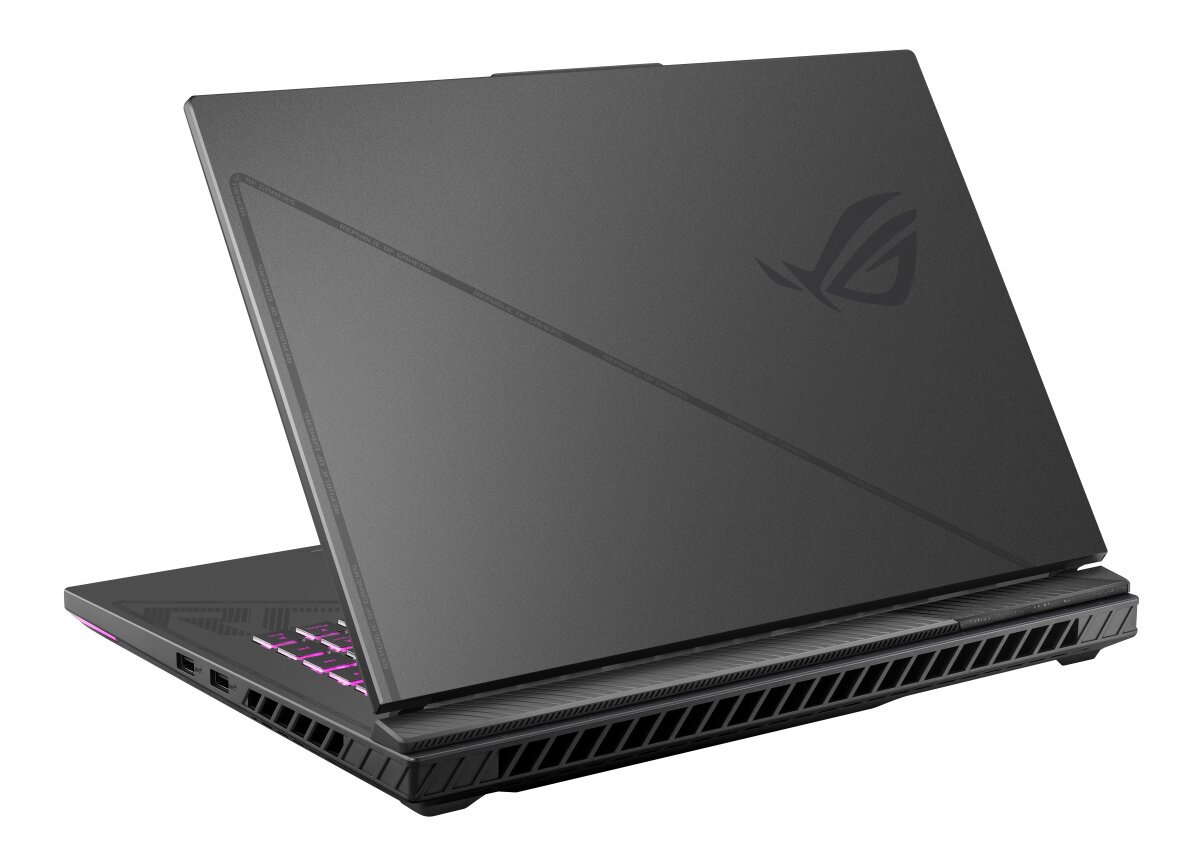
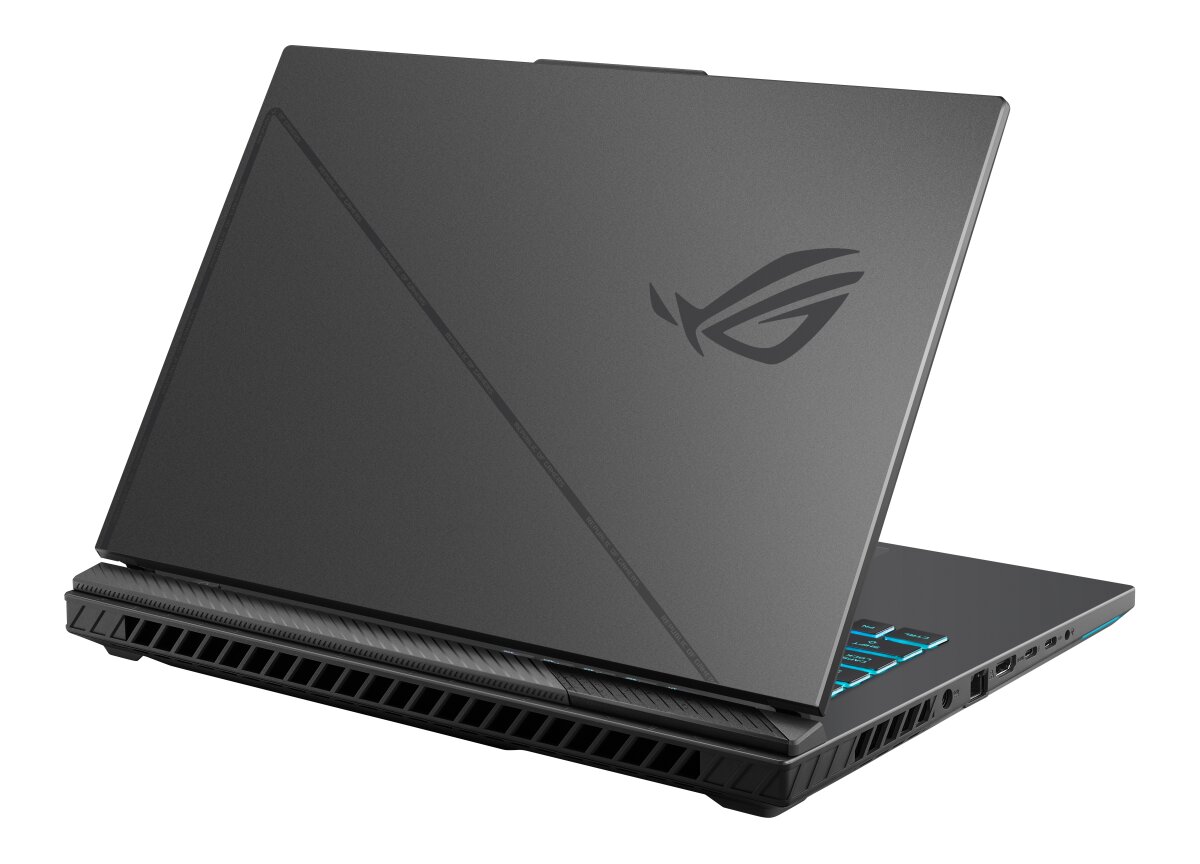
ASUS ROG Strix G16 G614JI-N4245W laptop features DDR5-SDRAM memory upgrade specifications. The system contains two SO-DIMM slots supporting maximum RAM capacity of 32 GB total. Compatible memory modules operate at 4800 MHz frequency. Specifications allow for memory expansion using DDR5 SO-DIMM form factor modules. Upgrade configurations enable installation of matched pairs to achieve maximum memory capacity supported by the laptop architecture.
Memory Upgrade Specifications
| Specification | Value |
|---|---|
| Memory slots | 2x SO-DIMM |
| Form factor | SO-DIMM |
| Memory type | DDR5-SDRAM |
| Frequency | 4800 MHz |
| Maximum RAM | 32 GB |
| Voltage | 1.1V |
| Number of pins | 262-pin |
| Interface | PC5 |
| PC Speed Rating | PC5-4800 (PC5-38400) |
| Bandwidth | 38.4 GB/s |
Additional Notes
- The ASUS ROG G614JI-N4245W imposes a 32 GB ceiling due to chipset or BIOS memory controller limitations rather than slot availability.
- DDR5-SDRAM operates at higher voltages and requires different keying compared to DDR4 modules, preventing backward compatibility with older generation memory.
- SO-DIMM slots indicate notebook architecture, requiring modules physically smaller than desktop DIMM counterparts and limiting thermal headroom for overclocking.
- The 4800 MHz frequency represents JEDEC baseline specification for DDR5, offering lower latency variance compared to faster XMP profiles that may trigger stability issues.
- Dual-channel population across both slots enables maximum bandwidth utilization, though asymmetric capacity configurations will still function in flex mode with reduced performance.
- Accessing SO-DIMM slots typically requires bottom panel removal, with potential for warranty seal breakage depending on regional service policies.
- DDR5 architecture incorporates on-die ECC invisible to the operating system, improving data integrity without requiring registered module variants.
- Module height clearance beneath the chassis limits compatibility to standard-profile SO-DIMMs, excluding taller variants with extended heat spreaders.
- The 4800 MHz specification establishes minimum supported speed, while higher-frequency modules will downclock to match unless BIOS offers manual timing adjustments.
- Mixing modules with different densities or ranks may force the memory controller to slower common timings, reducing effective bandwidth below rated specifications.