ASUS ROG G614JI-N4247X RAM upgrade specifications



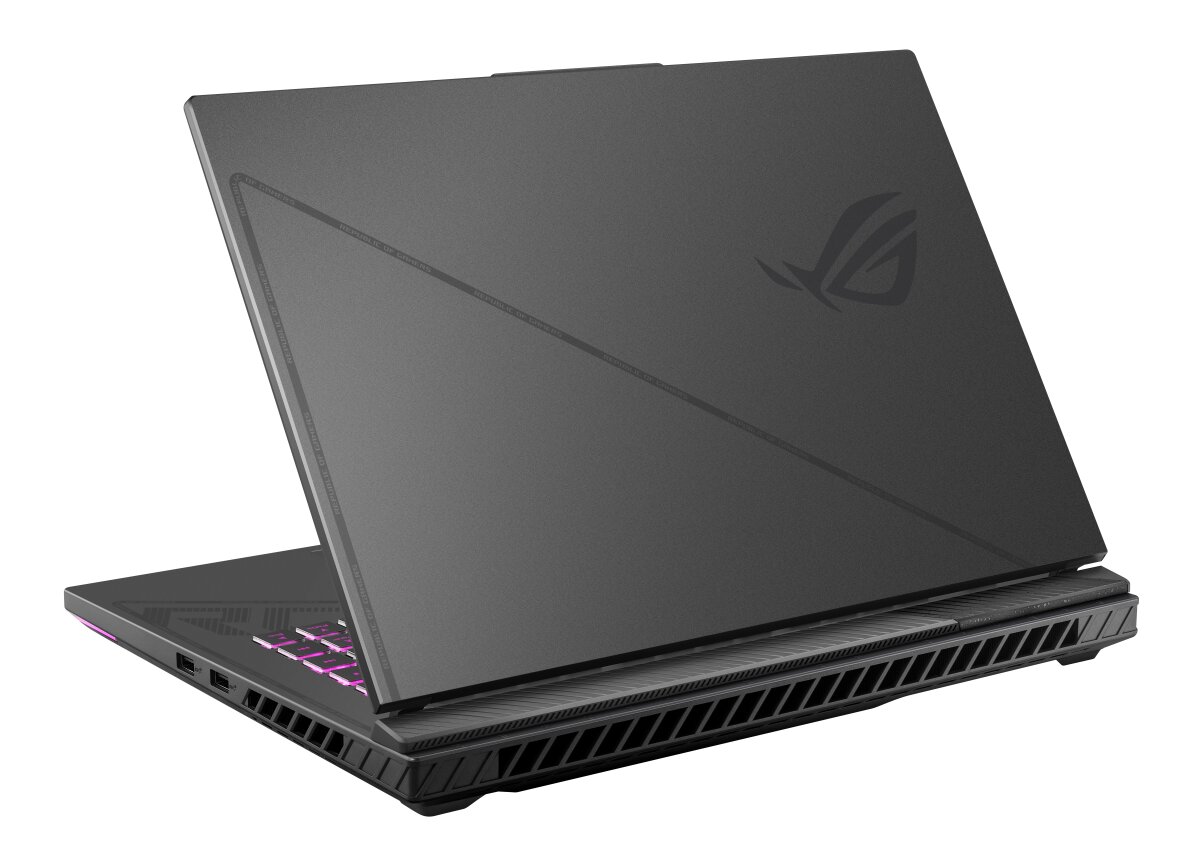
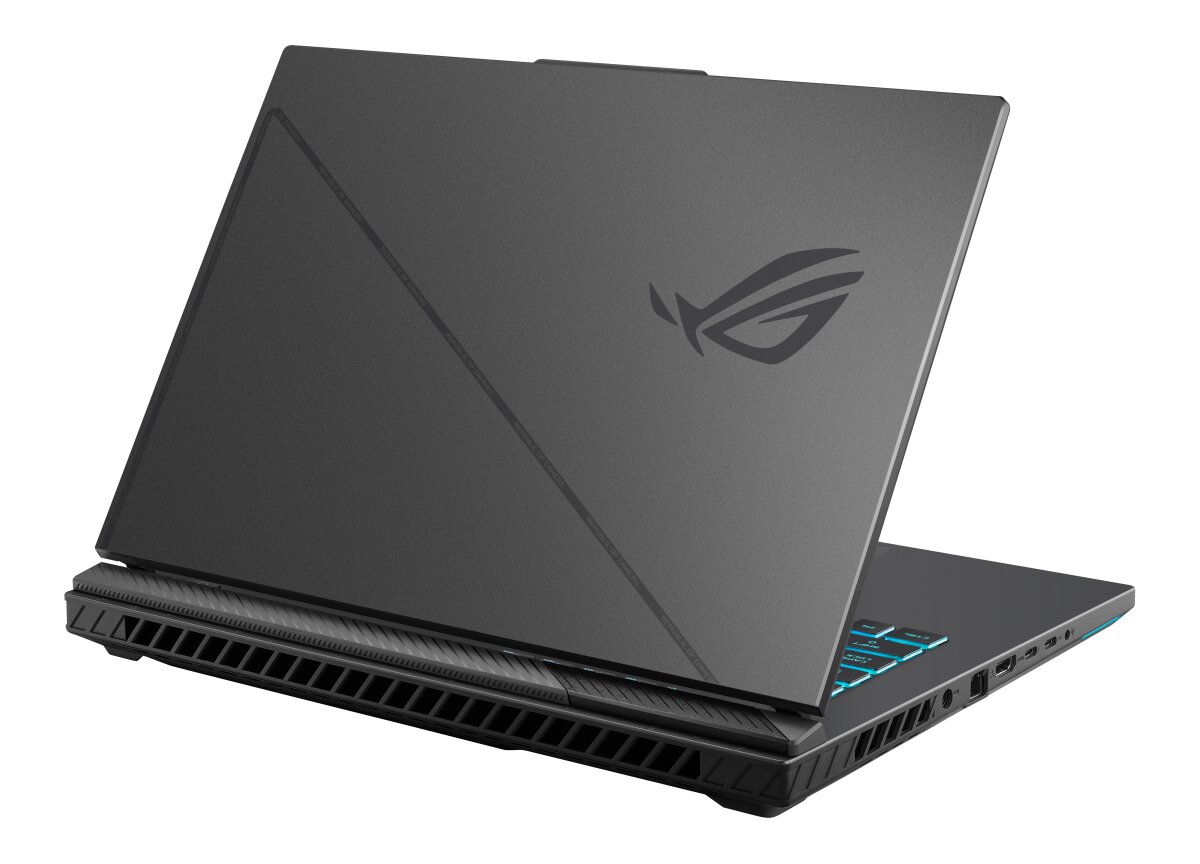
ASUS ROG Strix G16 model G614JI-N4247X features DDR5-SDRAM memory specifications supporting maximum RAM capacity of 32 GB. Upgrade configuration includes 2x SO-DIMM memory slots utilizing SO-DIMM form factor. Compatible memory operates at 4800 MHz frequency. Specifications indicate laptop supports dual-channel DDR5 configuration for enhanced performance. Maximum expandable capacity reaches 32 GB total when both memory slots are populated with compatible DDR5 modules at specified frequency ratings.
Memory Upgrade Specifications
| Specification | Value |
|---|---|
| Memory slots | 2x SO-DIMM |
| Form factor | SO-DIMM |
| Memory type | DDR5-SDRAM |
| Frequency | 4800 MHz |
| Maximum RAM | 32 GB |
| Voltage | 1.1V |
| Number of pins | 262-pin |
| Interface | PC5 |
| PC Speed Rating | PC5-4800 (PC5-38400) |
| Bandwidth | 38.4 GB/s |
Additional Notes
- The ASUS ROG G614JI-N4247X contains 2 SO-DIMM slots with a combined ceiling of 32 GB, meaning each slot accepts a maximum 16 GB module for full capacity utilization.
- DDR5-4800 memory operates at higher latency cycles than DDR4 equivalents, potentially creating a minor throughput penalty on CPU-bound workloads if the system firmware has not optimized memory timing profiles for this specific generation.
- SO-DIMM form factor restricts upgrade sources to laptop-grade modules only; desktop DDR5 UDIMM sticks are physically incompatible and will not seat in the available slots.
- Upgrading beyond the stock configuration requires matching DDR5-4800 or higher frequency ratings to avoid downclocking the entire memory subsystem to the slowest installed module's speed.
- Single-rank versus dual-rank SO-DIMM configurations affect memory bandwidth utilization differently; mixing module densities (8 GB + 16 GB) is mechanically possible but may trigger asymmetric channel performance depending on firmware memory remapping capabilities.
- The 2-slot architecture provides no redundancy pathway; failure of either SO-DIMM slot eliminates one memory channel entirely, reducing available bandwidth by approximately 50% until the failed slot is repaired or replaced.
- Thermal design of laptop memory modules varies by manufacturer; some DDR5 SO-DIMM units include integrated heat spreaders that may interfere with adjacent storage or connectivity components if the G614JI chassis has restricted clearance above the memory slots.
- BIOS firmware updates may unlock higher memory frequency profiles or tighter timing settings; stock DDR5-4800 performance may not represent the final optimization ceiling for this platform.