ASUS ROG G614JU-N3035W RAM upgrade specifications
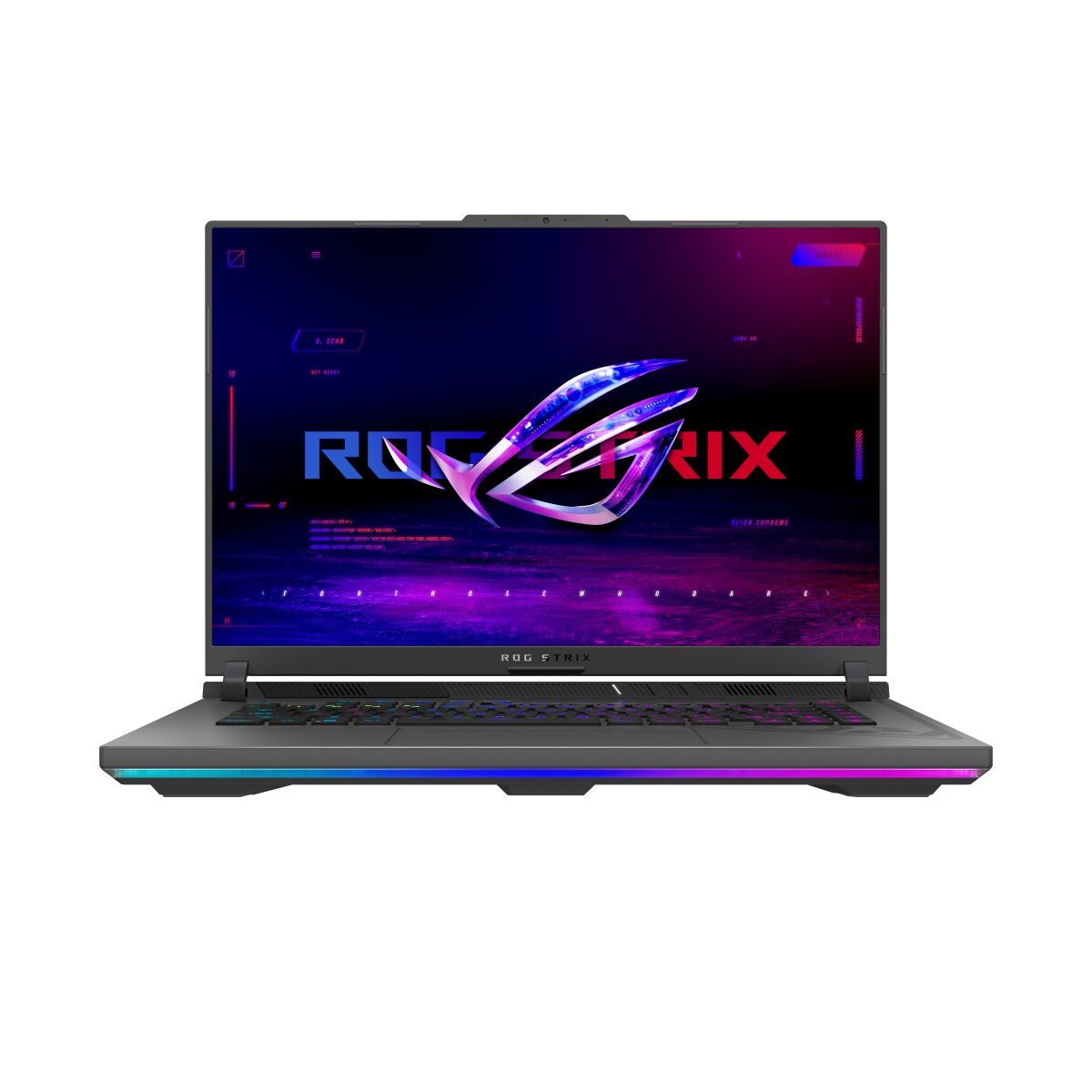
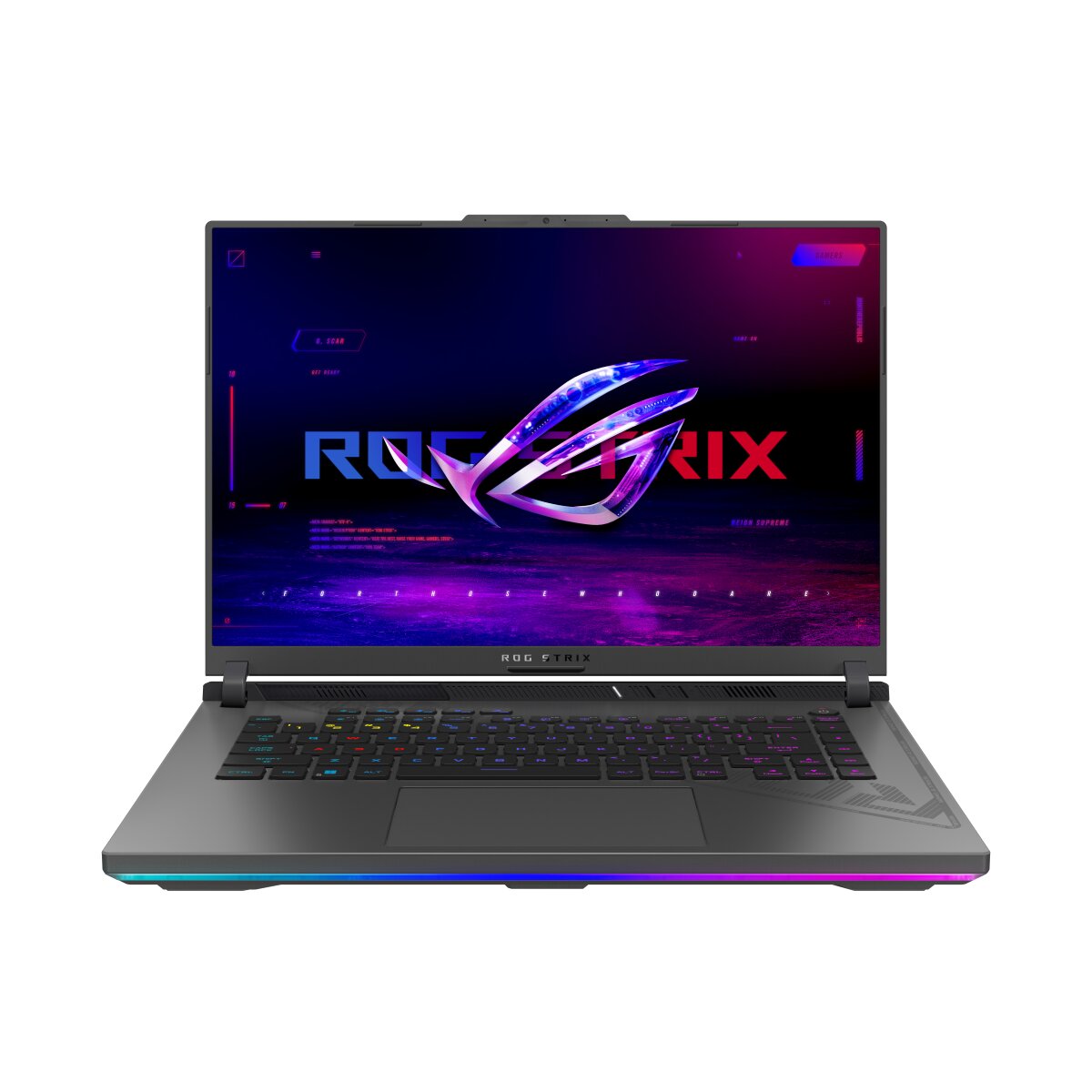
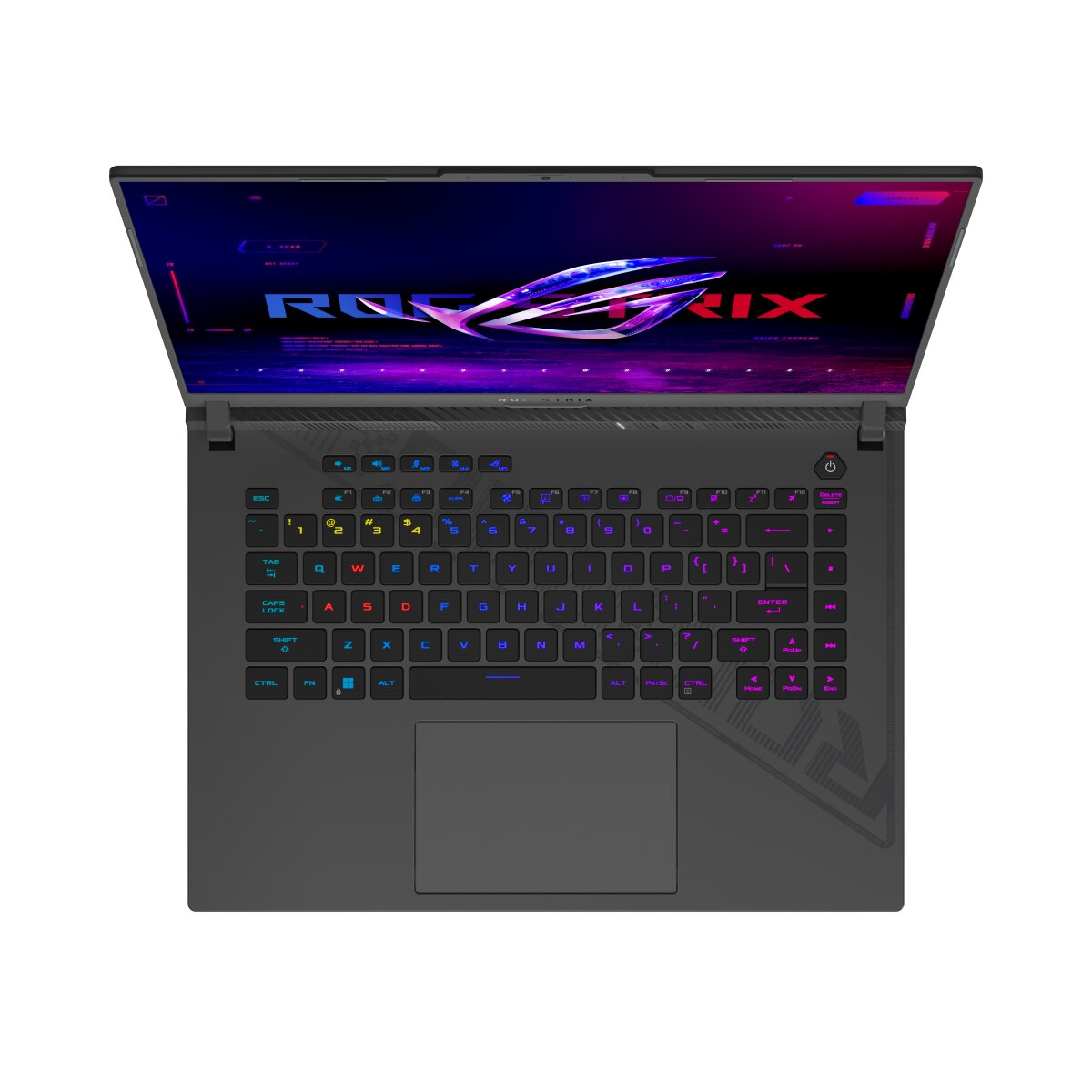
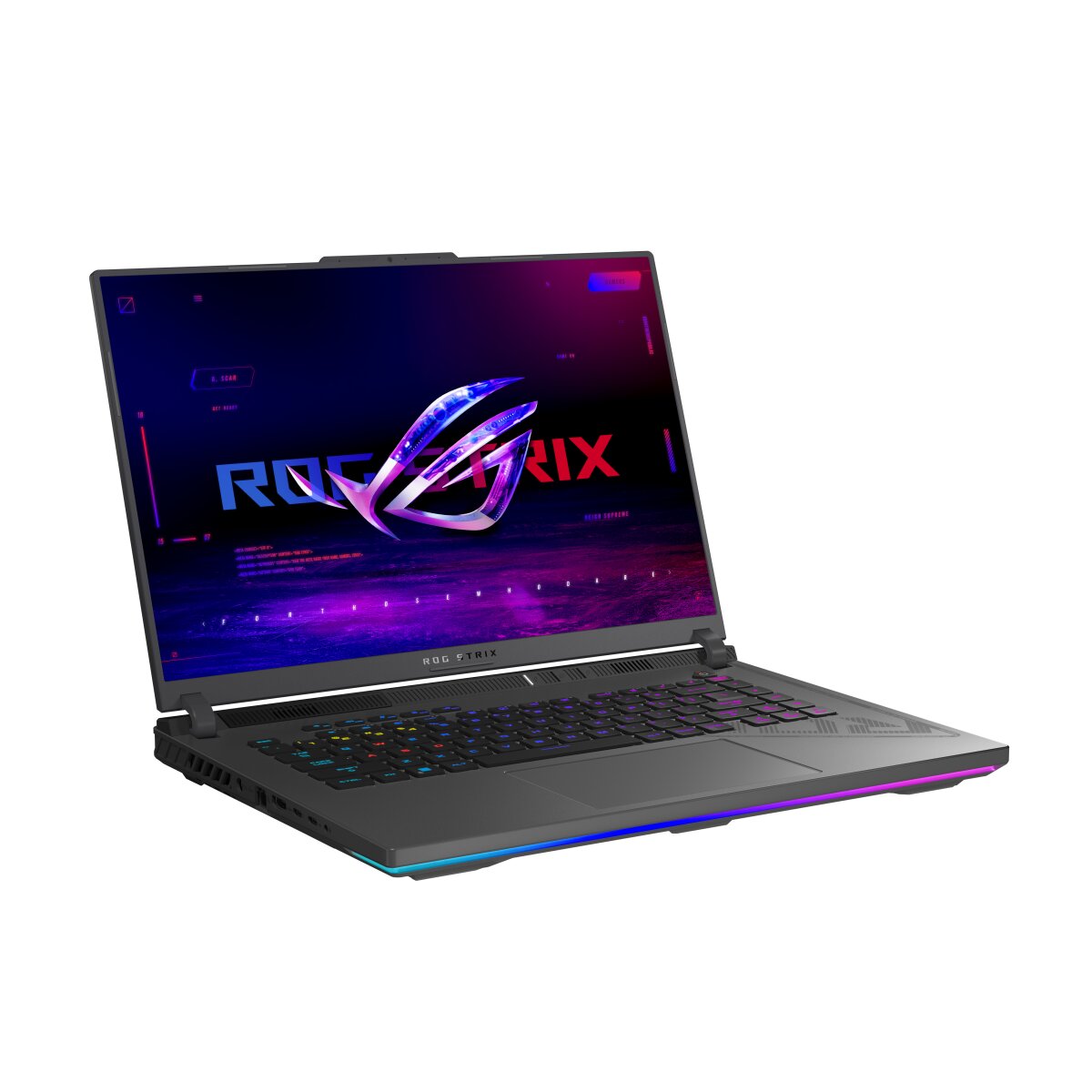
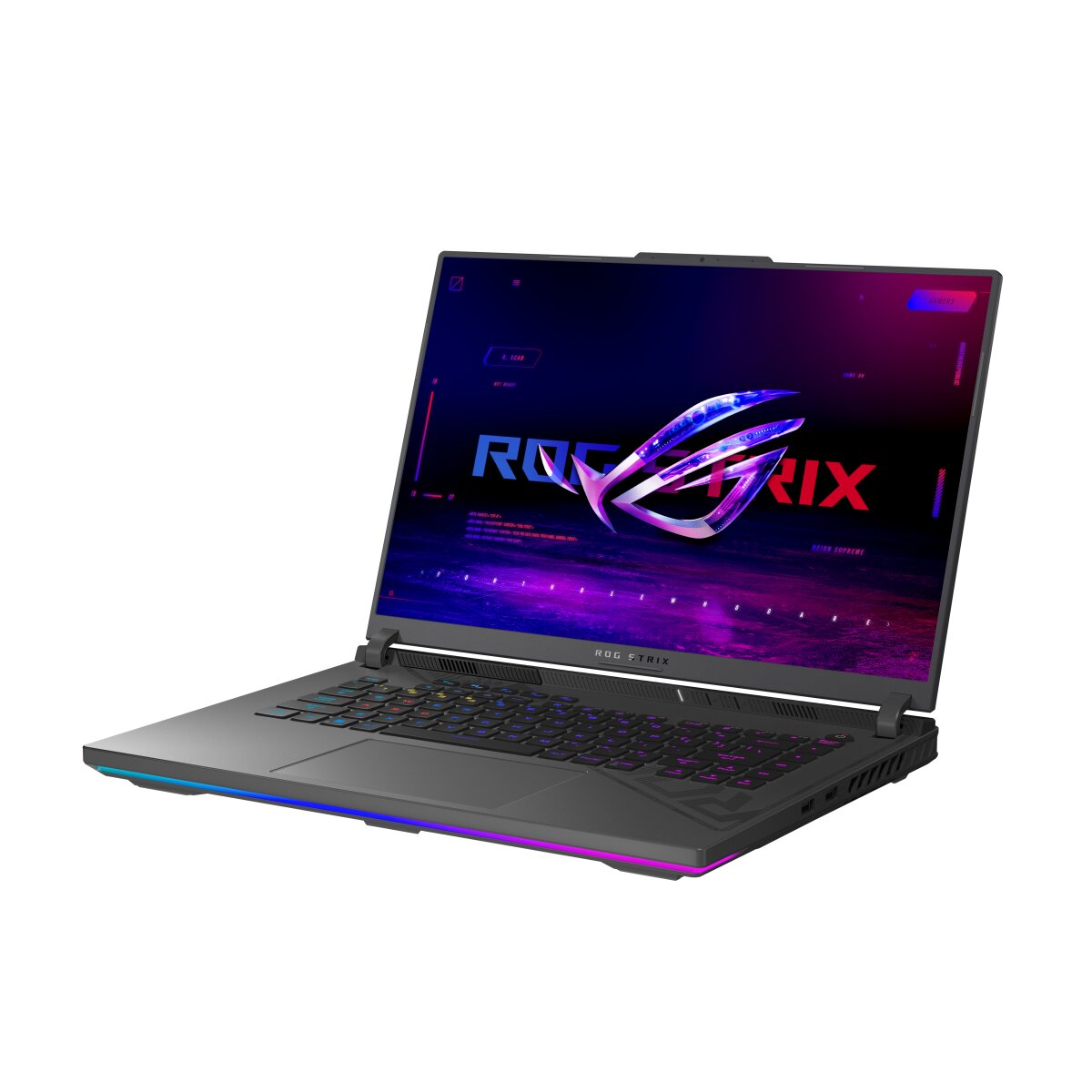
ASUS ROG Strix G16 G614JU-N3035W laptop memory upgrade specifications include two SO-DIMM slots supporting DDR5-SDRAM modules at 4800 MHz frequency. Maximum compatible RAM capacity reaches 32 GB total. Upgrade configurations accommodate DDR5 memory modules in SO-DIMM form factor. Specifications define compatible memory standards and slot configuration for RAM expansion on this gaming laptop model.
Memory Upgrade Specifications
| Specification | Value |
|---|---|
| Memory slots | 2x SO-DIMM |
| Form factor | SO-DIMM |
| Memory type | DDR5-SDRAM |
| Frequency | 4800 MHz |
| Maximum RAM | 32 GB |
| Voltage | 1.1V |
| Number of pins | 262-pin |
| Interface | PC5 |
| PC Speed Rating | PC5-4800 (PC5-38400) |
| Bandwidth | 38.4 GB/s |
| Laptop Release date | 01 March 2023 |
Additional Notes
- The ASUS ROG G614JU-N3035W supports DDR5-SDRAM at 4800 MHz, which means replacement modules must match this frequency specification; DDR5 sticks rated below 4800 MHz will operate at reduced speeds, while higher-rated modules will downclock to 4800 MHz, resulting in no performance benefit from premium faster memory.
- Dual SO-DIMM configuration with a 32 GB ceiling creates an asymmetry constraint: upgrading from factory configuration requires either populating both slots equally (16 GB + 16 GB) or replacing both existing modules entirely, as mismatched capacities on this architecture may trigger BIOS warnings or force single-channel operation.
- SO-DIMM form factor confirms this device uses laptop-class memory; desktop DDR5 UDIMM modules are physically incompatible and will not fit the memory slots, eliminating access to potentially lower-cost desktop-tier memory alternatives.
- The 2-slot architecture with 32 GB total capacity means upgrading beyond stock memory requires clearing both slots simultaneously; this creates a higher cost barrier than single-slot upgrades and necessitates temporary use of a single module or external memory for data preservation during the transition.
- DDR5-4800 specification operates at higher power consumption and heat generation compared to DDR4 equivalents; thermal management becomes relevant during sustained workloads, particularly in confined laptop chassis environments where airflow over DIMM modules may be restricted.