ASUS ROG G614JU-N3147W RAM upgrade specifications



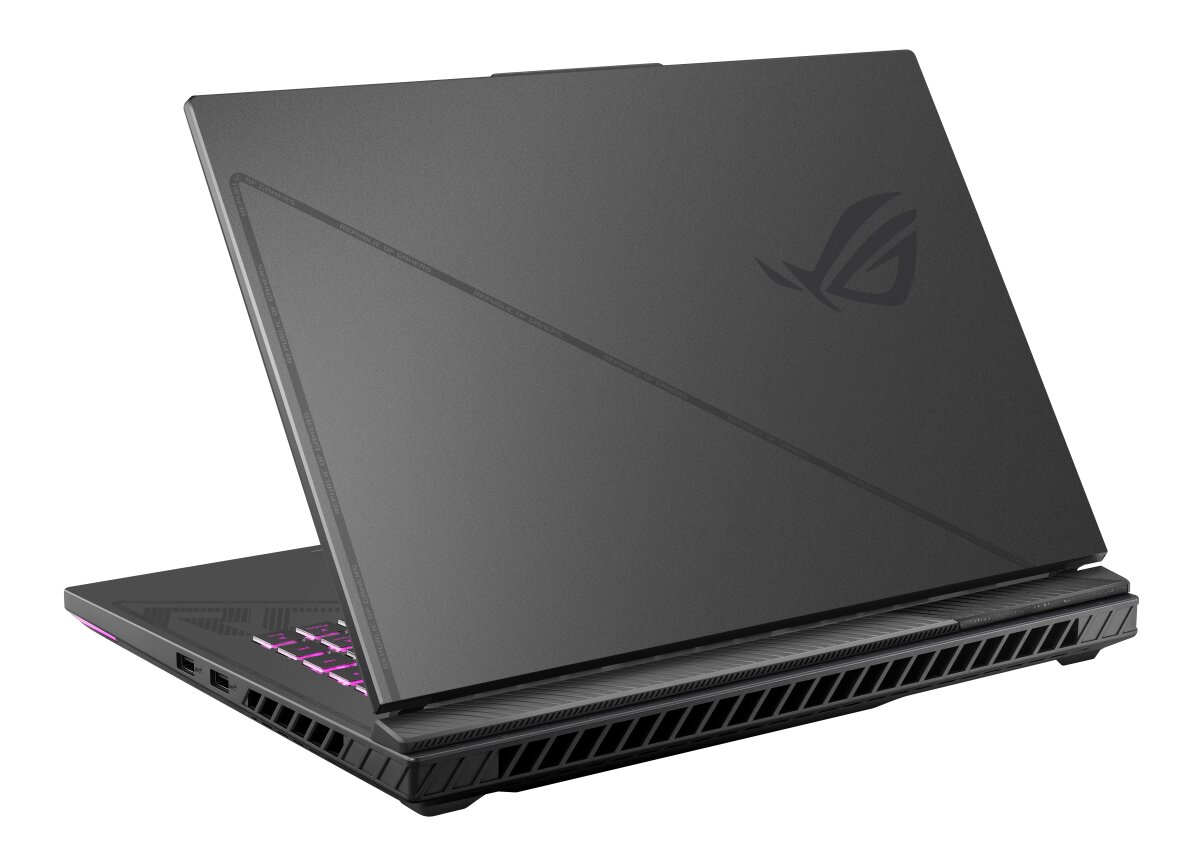
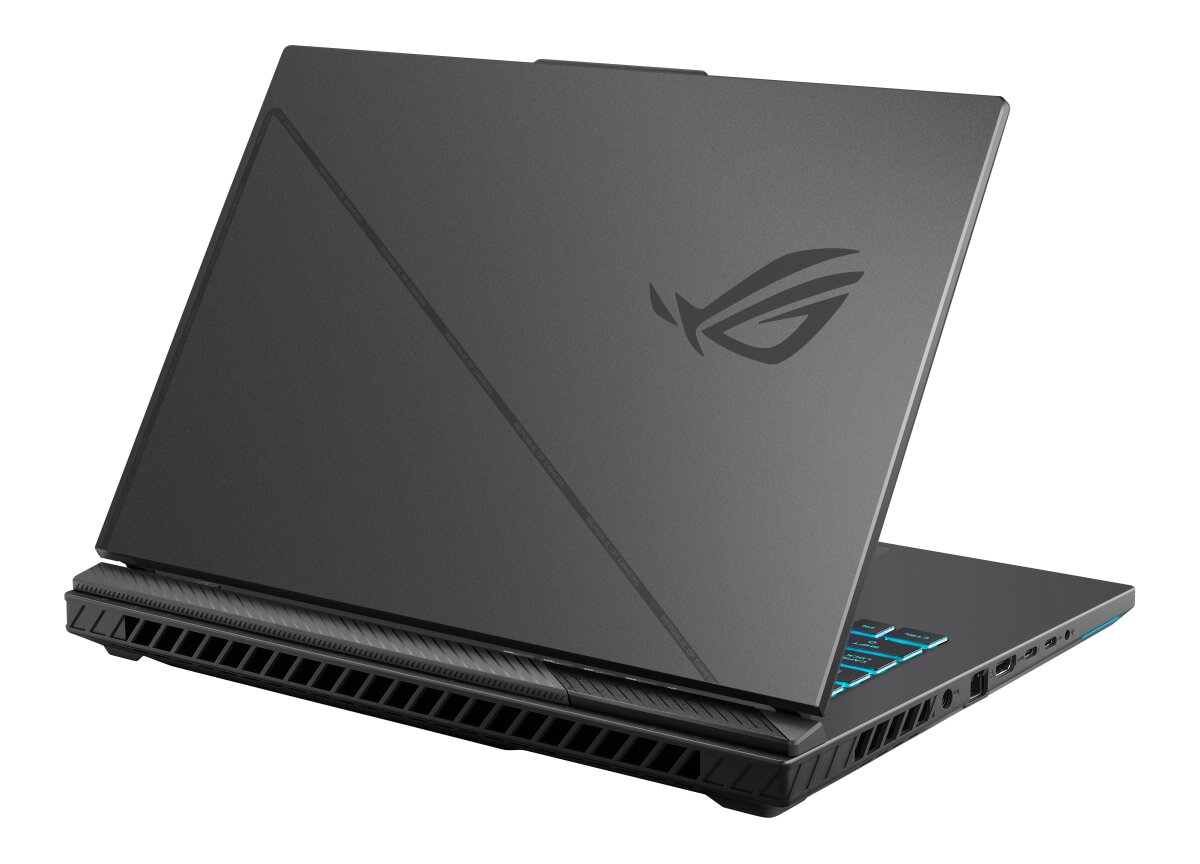
ASUS ROG Strix G16 G614JU-N3147W laptop features DDR5-SDRAM memory upgrade specifications. The system includes 2 SO-DIMM slots supporting maximum RAM capacity of 32 GB total. Memory operates at 4800 MHz frequency. Compatible upgrade modules utilize SO-DIMM form factor for expansion. Specifications enable memory configurations up to the stated maximum capacity through compatible DDR5-SDRAM modules installed in available slots.
Memory Upgrade Specifications
| Specification | Value |
|---|---|
| Memory slots | 2x SO-DIMM |
| Form factor | SO-DIMM |
| Memory type | DDR5-SDRAM |
| Frequency | 4800 MHz |
| Maximum RAM | 32 GB |
| Voltage | 1.1V |
| Number of pins | 262-pin |
| Interface | PC5 |
| PC Speed Rating | PC5-4800 (PC5-38400) |
| Bandwidth | 38.4 GB/s |
| Laptop Release date | 07 February 2023 |
Additional Notes
- The ASUS ROG G614JU-N3147W contains 2 SO-DIMM slots with a 32 GB ceiling, meaning a single 16 GB module represents the maximum per-slot capacity currently available in DDR5 SO-DIMM form factor, limiting practical upgrade scenarios to either dual 16 GB configuration or asymmetrical pairing.
- DDR5-4800 MHz native frequency operates at JEDEC standard specifications, but actual performance depends on BIOS profile selection; non-standard frequency requests may require manual timing adjustment and could void warranty coverage if stability issues emerge during overclocking attempts.
- SO-DIMM physical constraints restrict compatible module selection to laptop-class memory only; desktop DDR5 UDIMM modules are mechanically incompatible and cannot physically insert into these slots regardless of electrical matching.
- The 32 GB total capacity threshold means memory bandwidth saturation occurs at lower concurrent workload levels compared to desktop configurations; CPU-to-memory latency patterns differ from standard DIMM architectures due to SO-DIMM trace routing and signal integrity characteristics.
- Upgrading from factory configuration requires compatible DDR5 SO-DIMM modules rated for 4800 MHz operation; mixing speeds forces the memory controller to downclock all modules to the lowest common frequency, creating performance regression if pairing with lower-rated modules.
- Single-channel to dual-channel transition (if upgrading from single populated slot) generates approximately 15-25 percent bandwidth improvement for memory-intensive workloads, though gaming and general productivity gains remain modest in real-world scenarios.