ASUS ROG G614JU-N3194W RAM upgrade specifications



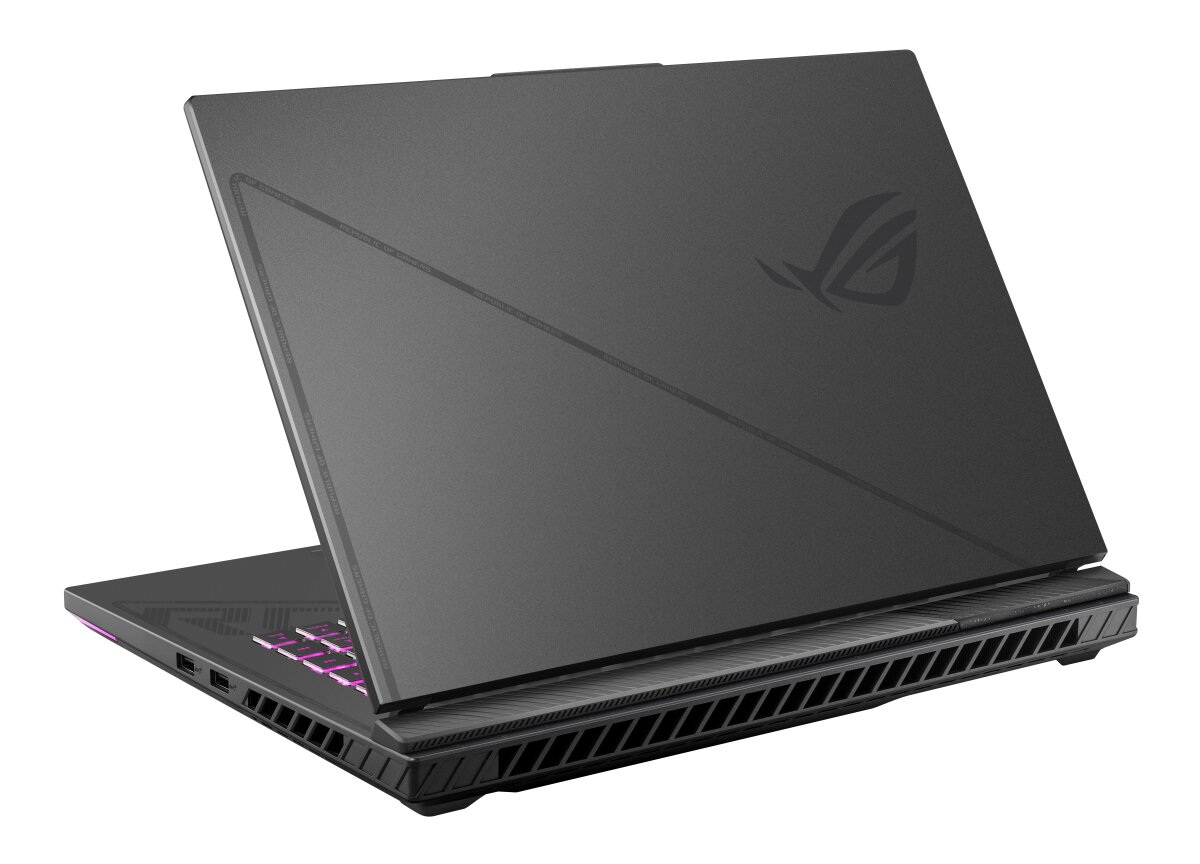
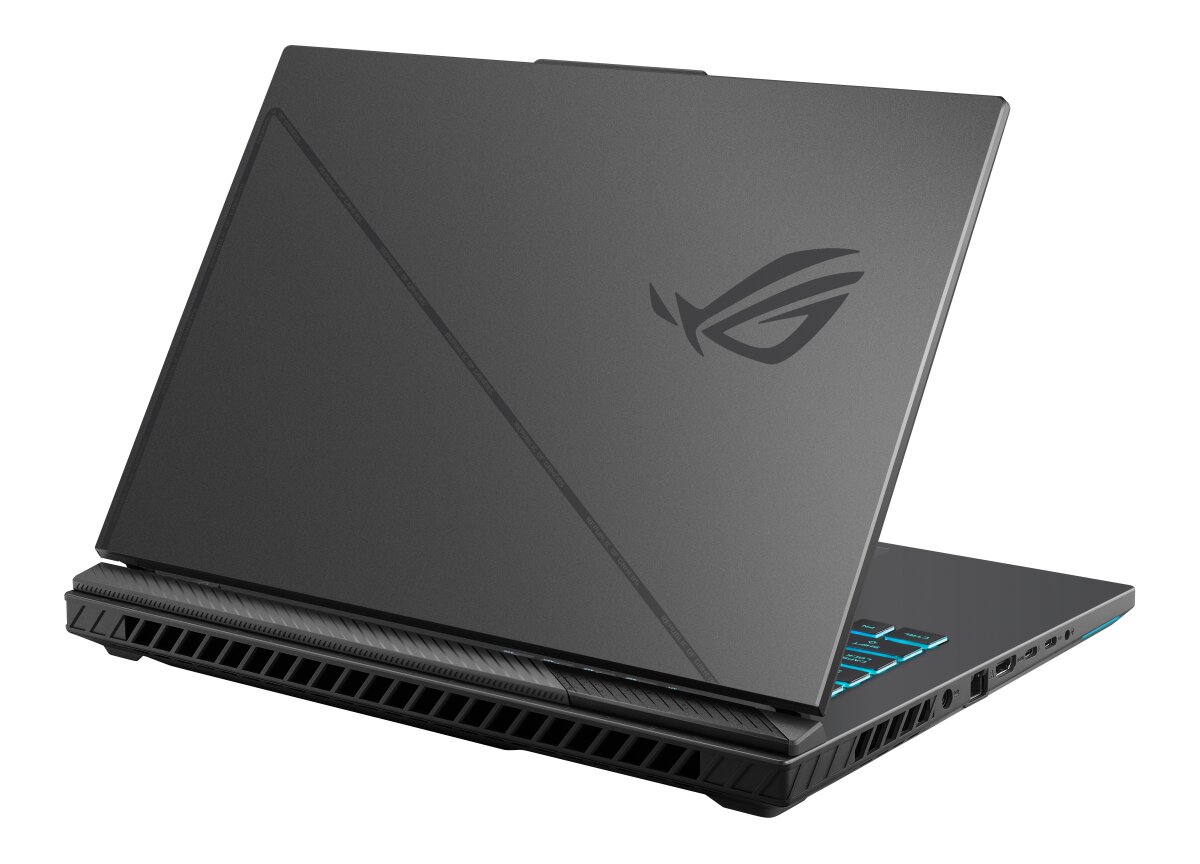
The ASUS ROG Strix G16 G614JU-N3194W laptop features DDR5-SDRAM memory upgrade specifications with two SO-DIMM slots supporting maximum capacity of 32 GB total RAM. Compatible memory modules operate at 4800 MHz frequency. Upgrade options allow installation of DDR5 SO-DIMM modules to enhance system performance and multitasking capabilities on the gaming-focused G614JU-N3194W model.
Memory Upgrade Specifications
| Specification | Value |
|---|---|
| Memory slots | 2x SO-DIMM |
| Form factor | SO-DIMM |
| Memory type | DDR5-SDRAM |
| Frequency | 4800 MHz |
| Maximum RAM | 32 GB |
| Voltage | 1.1V |
| Number of pins | 262-pin |
| Interface | PC5 |
| PC Speed Rating | PC5-4800 (PC5-38400) |
| Bandwidth | 38.4 GB/s |
| Laptop Release date | 10 June 2023 |
Additional Notes
- The ASUS ROG G614JU-N3194W requires SO-DIMM modules rather than standard DIMM, which limits compatibility to laptop-specific memory configurations and typically results in higher per-gigabyte costs compared to desktop equivalents.
- DDR5-SDRAM architecture prevents the use of any DDR4 modules, as the notch positions and voltage requirements differ fundamentally between these generations.
- The 32 GB maximum capacity constraint means that dual-channel operation peaks at 2x16 GB modules, making any attempt to install higher-density modules futile even if physically compatible.
- Operating at 4800 MHz represents the JEDEC baseline speed for DDR5, leaving potential performance gains on the table if the memory controller supports higher frequencies through XMP or EXPO profiles.
- The 2-slot configuration forces a complete replacement of existing modules when upgrading to maximum capacity, as partial upgrades would waste one slot and potentially create mismatched pair issues.
- Mixed module configurations, such as pairing different capacities or timings across the 2 slots, may force the memory controller to downclock to the lowest common denominator or disable dual-channel mode entirely.
- Installation requires accessing the laptop's bottom panel, which on ROG models often involves removing multiple screws of varying lengths and potentially detaching ribbon cables that could void warranty if damaged.
- Non-ECC unbuffered SO-DIMM modules are required, as registered or error-correcting variants would be rejected by the consumer-grade memory controller present in this chassis.
- Thermal considerations become critical at maximum capacity, since DDR5 modules generate more heat than DDR4 predecessors and rely on the laptop's chassis airflow rather than dedicated module heatspreaders.
- Voltage specifications must remain within the DDR5 standard of 1.1V, as the laptop's power delivery system lacks the adjustability found in desktop motherboards for manual voltage tuning.