ASUS ROG G614JU-N3220W RAM upgrade specifications
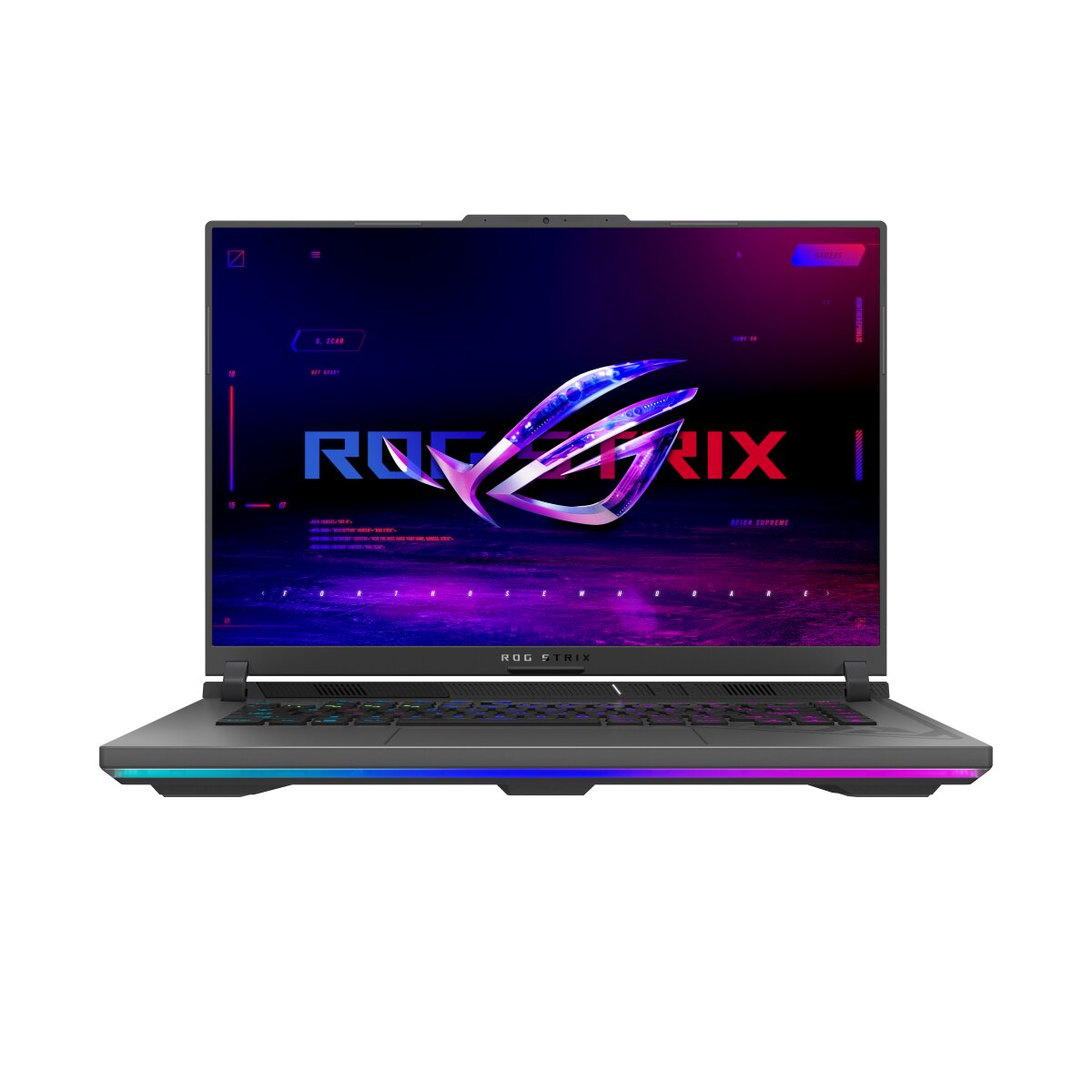
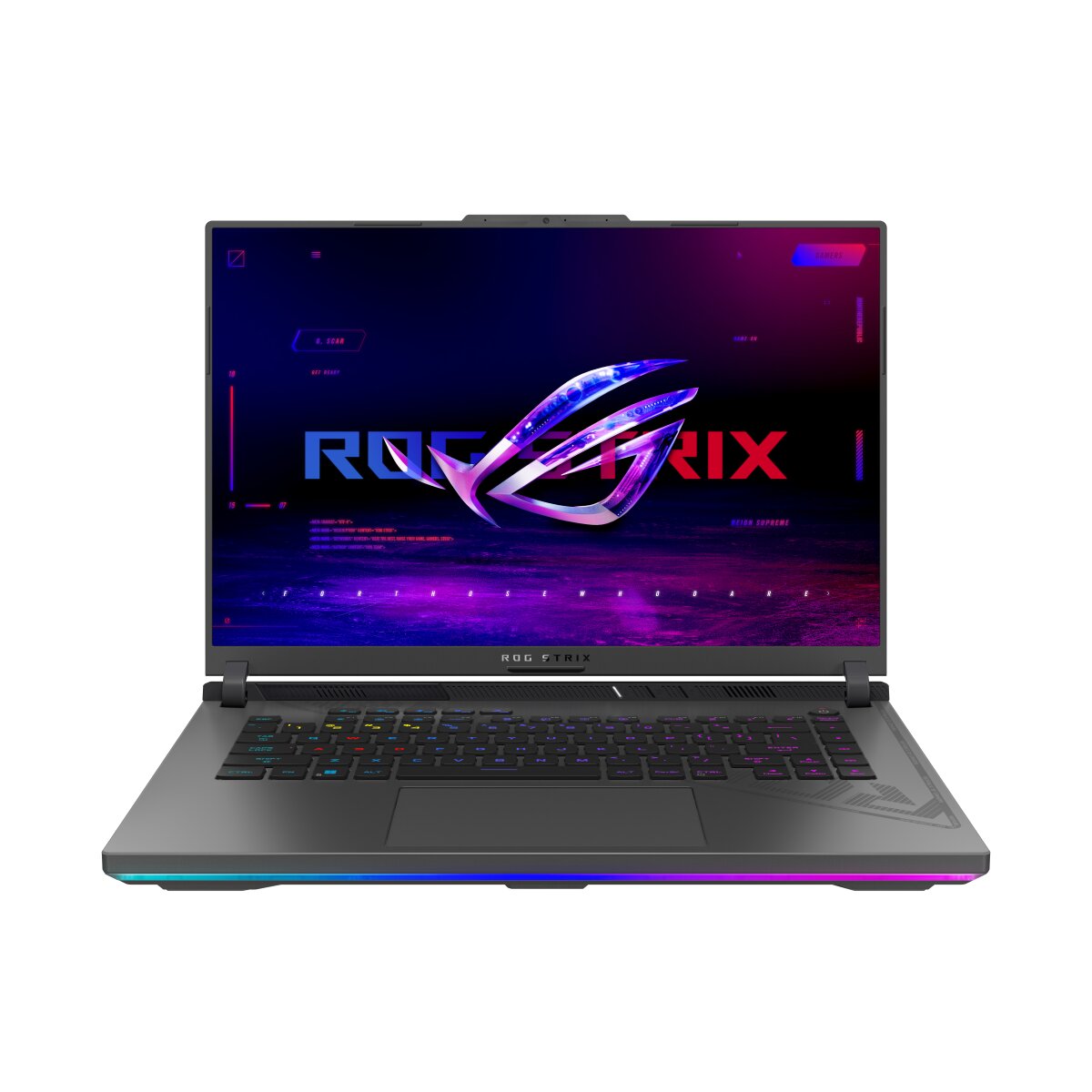
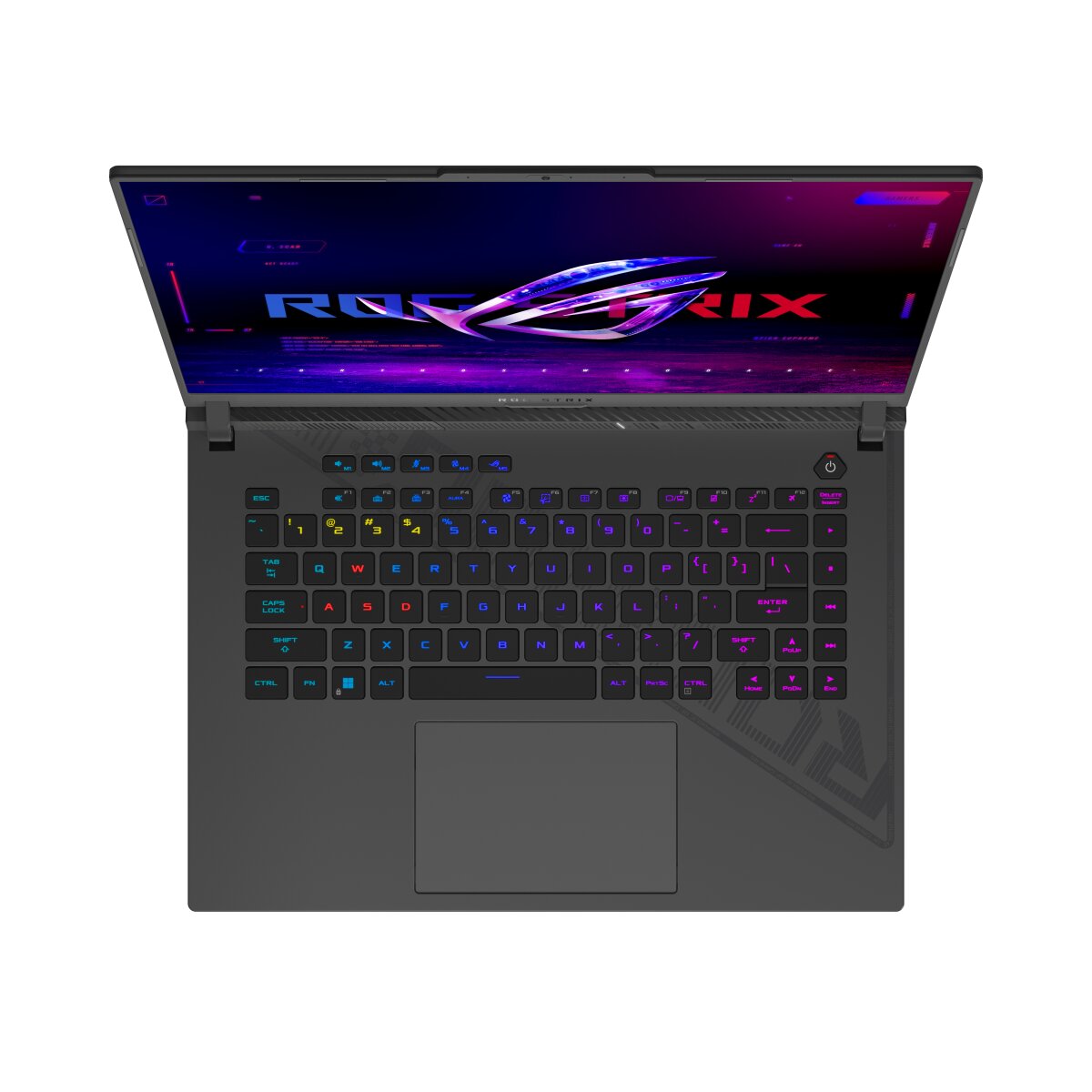
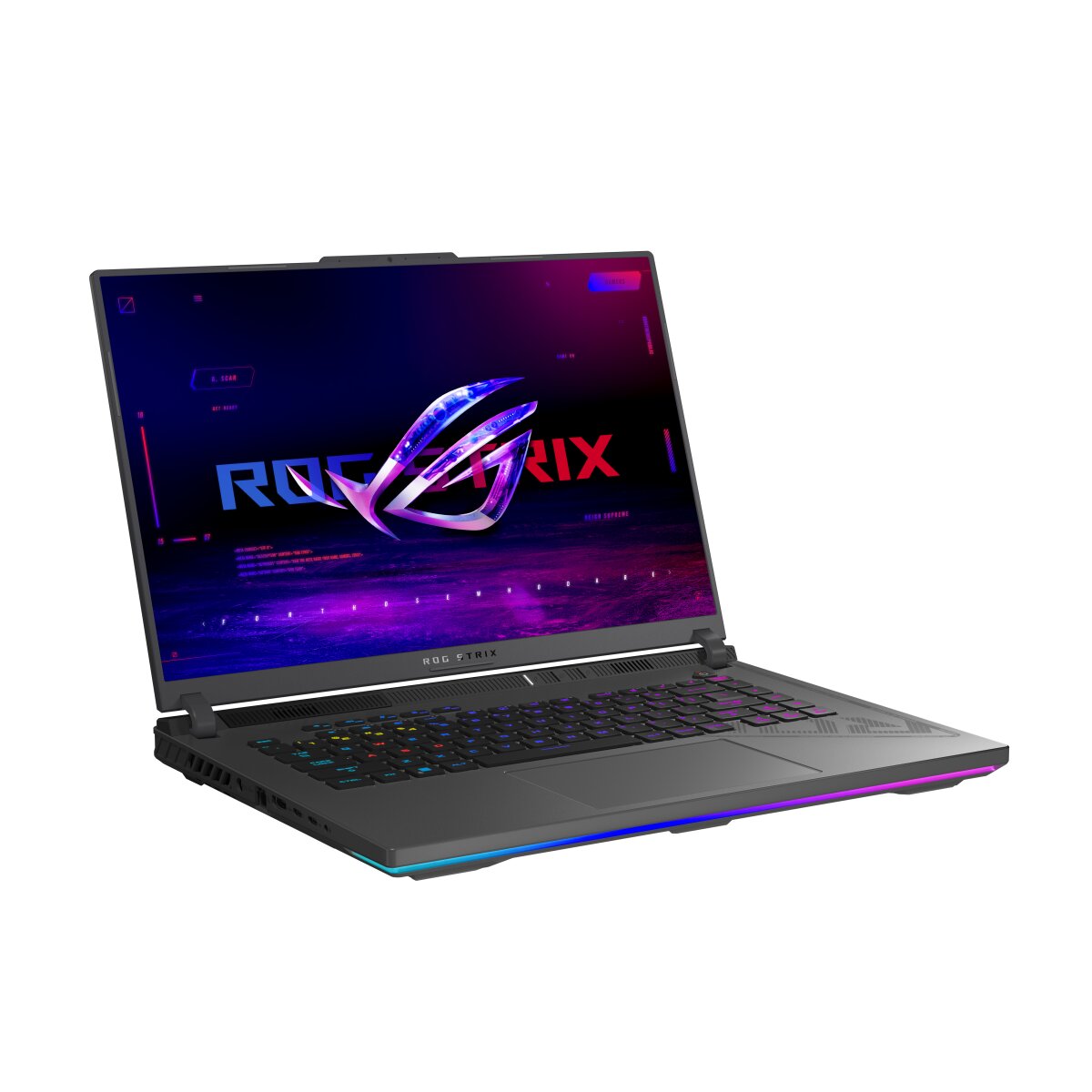
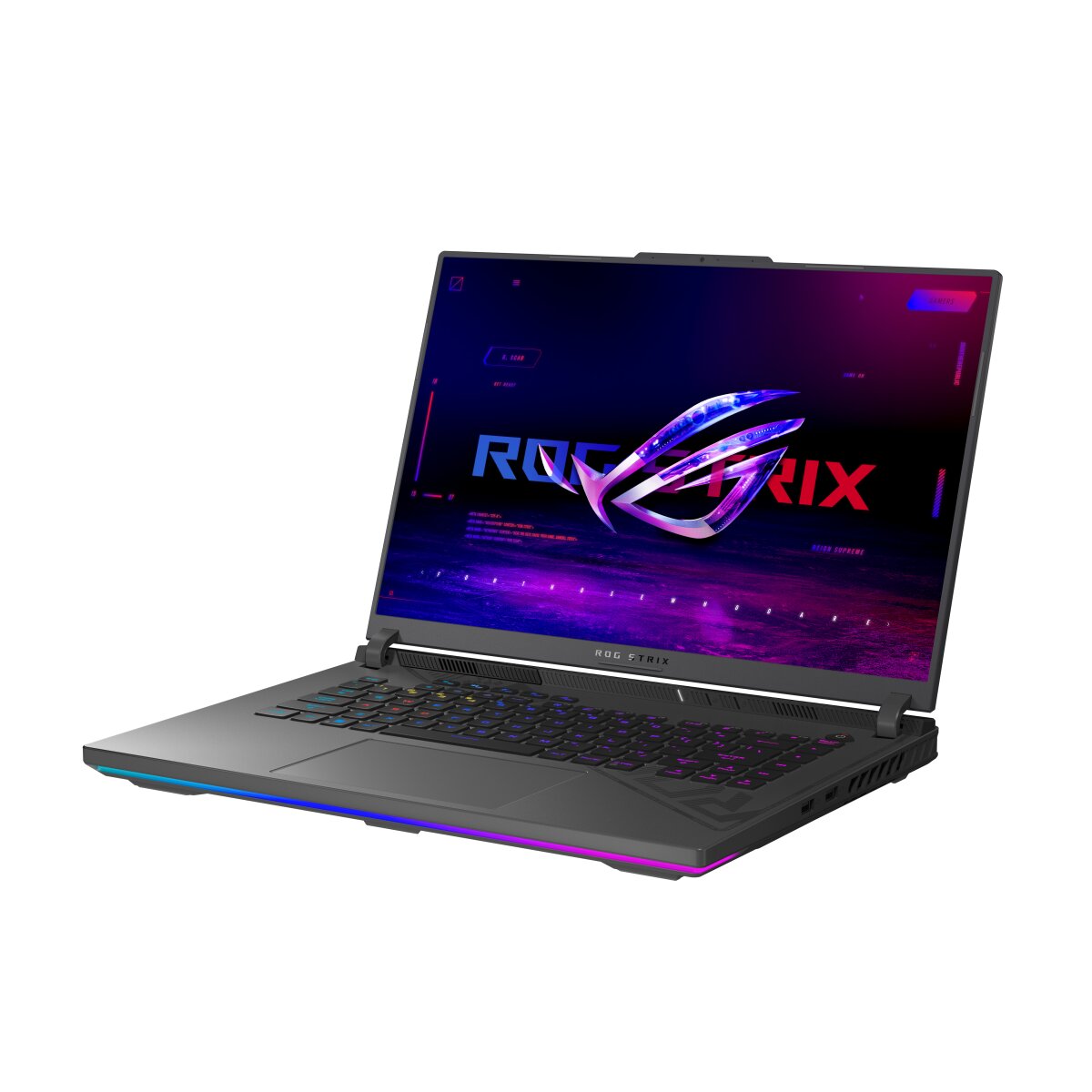
ASUS ROG Strix G16 G614JU-N3220W memory upgrade specifications feature DDR5-SDRAM technology with two SO-DIMM slots supporting maximum RAM capacity of 32 GB. Compatible memory modules operate at 4800 MHz frequency. Upgrade slots accommodate standard SO-DIMM form factor modules, enabling system memory expansion for enhanced performance. Specifications denote DDR5 memory compatibility with dual-channel configuration architecture for optimized data transfer and multitasking capabilities on this gaming laptop model.
Memory Upgrade Specifications
| Specification | Value |
|---|---|
| Memory slots | 2x SO-DIMM |
| Form factor | SO-DIMM |
| Memory type | DDR5-SDRAM |
| Frequency | 4800 MHz |
| Maximum RAM | 32 GB |
| Voltage | 1.1V |
| Number of pins | 262-pin |
| Interface | PC5 |
| PC Speed Rating | PC5-4800 (PC5-38400) |
| Bandwidth | 38.4 GB/s |
| Laptop Release date | 04 March 2023 |
Additional Notes
- The ASUS ROG G614JU-N3220W contains 2 SO-DIMM slots operating at 4800 MHz, establishing a 32 GB ceiling when both slots are populated with maximum-capacity modules.
- DDR5-SDRAM at 4800 MHz delivers approximately 38 GB/s aggregate bandwidth, constraining memory-intensive workloads to the speed ceiling rather than allowing bandwidth scaling beyond this specification.
- SO-DIMM form factor restricts compatible modules to laptop-specific packages; desktop DDR5 DIMM modules are physically incompatible and will not seat in the available slots.
- Dual-slot architecture means single-module upgrades consume one slot entirely, preventing future two-channel configuration unless both slots receive paired modules simultaneously.
- Asymmetric configurations risk operational instability; mixing DDR5 modules of differing speeds or capacities may force the system to downclock both modules to the slower module's rated frequency.
- Warranty coverage typically remains intact when upgrading with retail SO-DIMM modules, provided installation occurs outside the sealed case and no physical damage occurs during the procedure.
- The 32 GB maximum represents a hard upper limit; no firmware update or BIOS setting can extend capacity beyond 2 slots x 16 GB per slot architecture.
- 4800 MHz operation requires verification that replacement modules explicitly support this frequency specification; some DDR5 SO-DIMMs default to JEDEC 4800 compliance but may contain OEM-specific firmware limiting interoperability.