ASUS ROG G614JU-N3440-GAMING RAM upgrade specifications


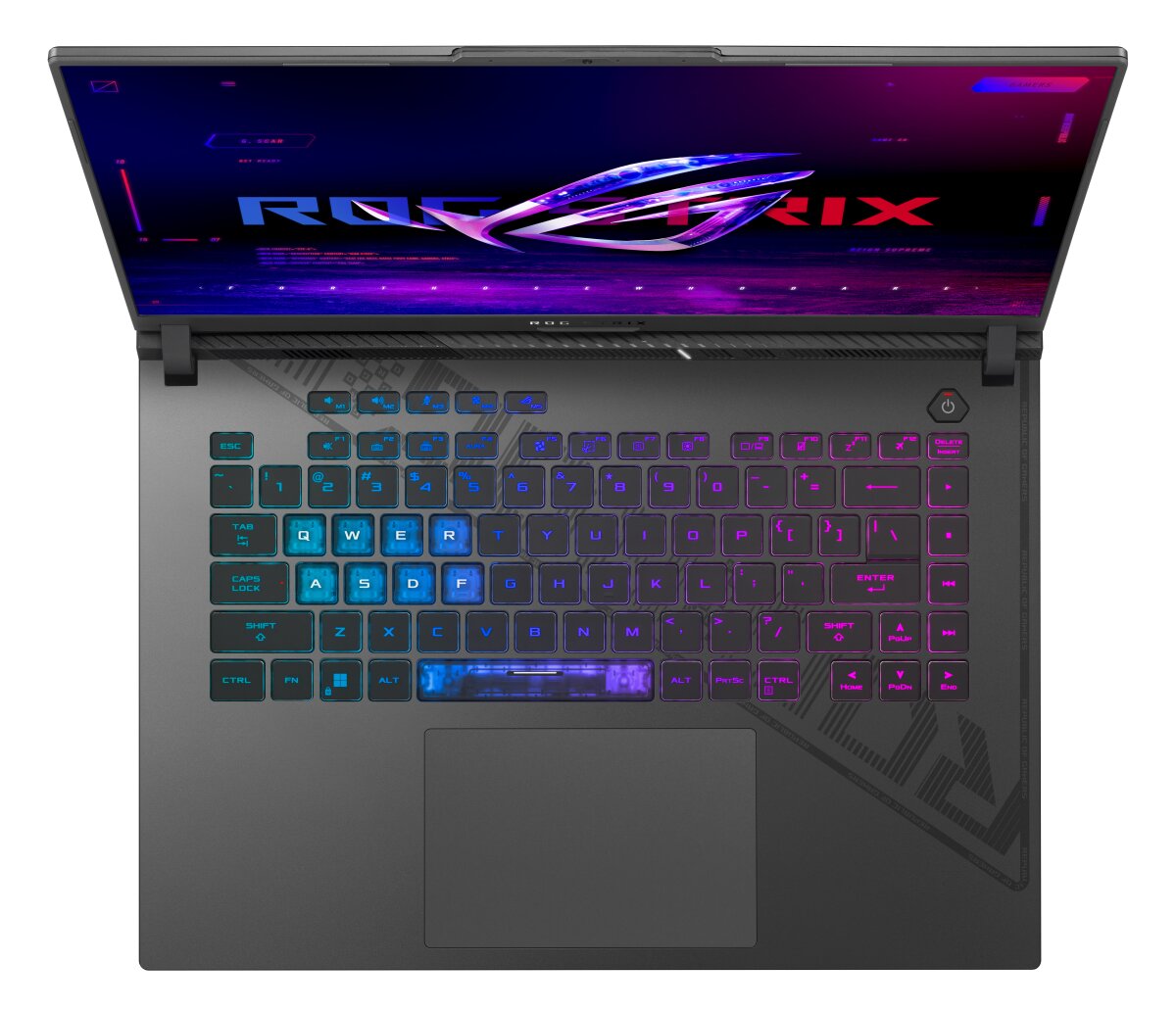
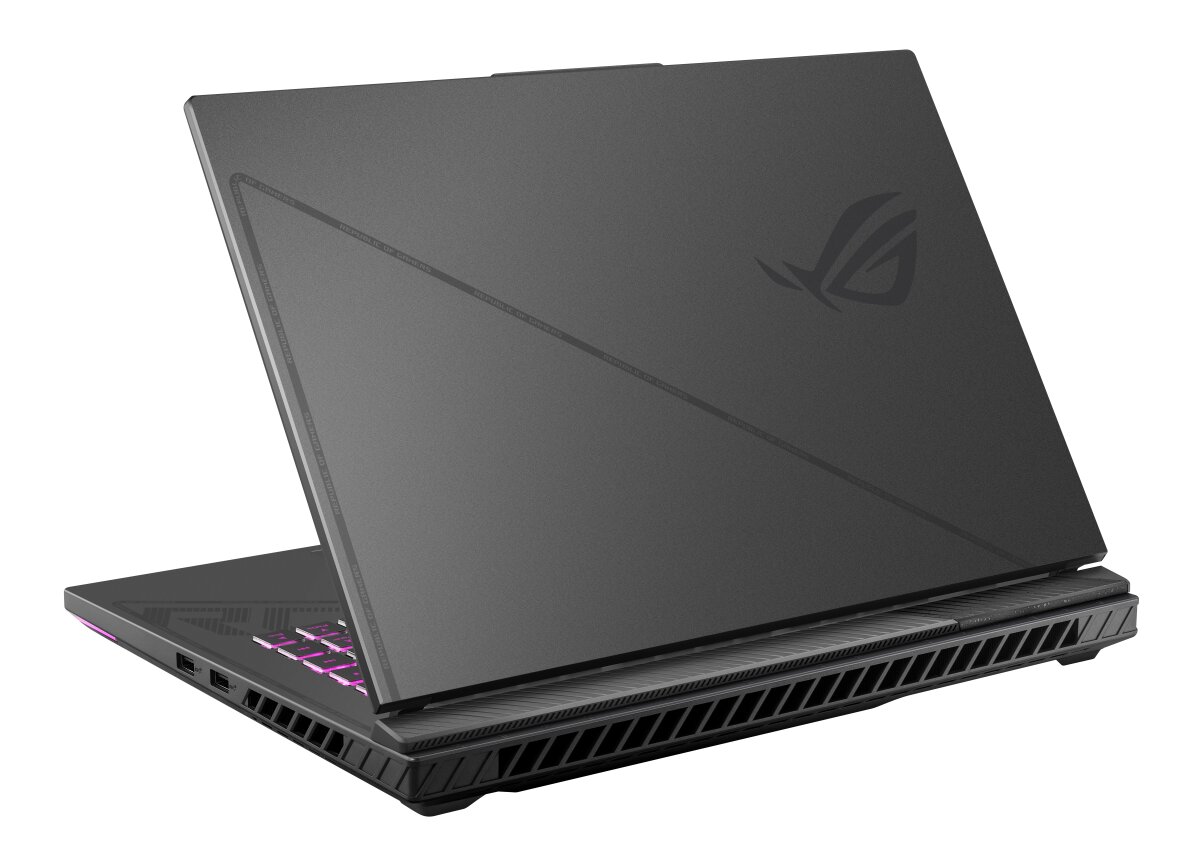
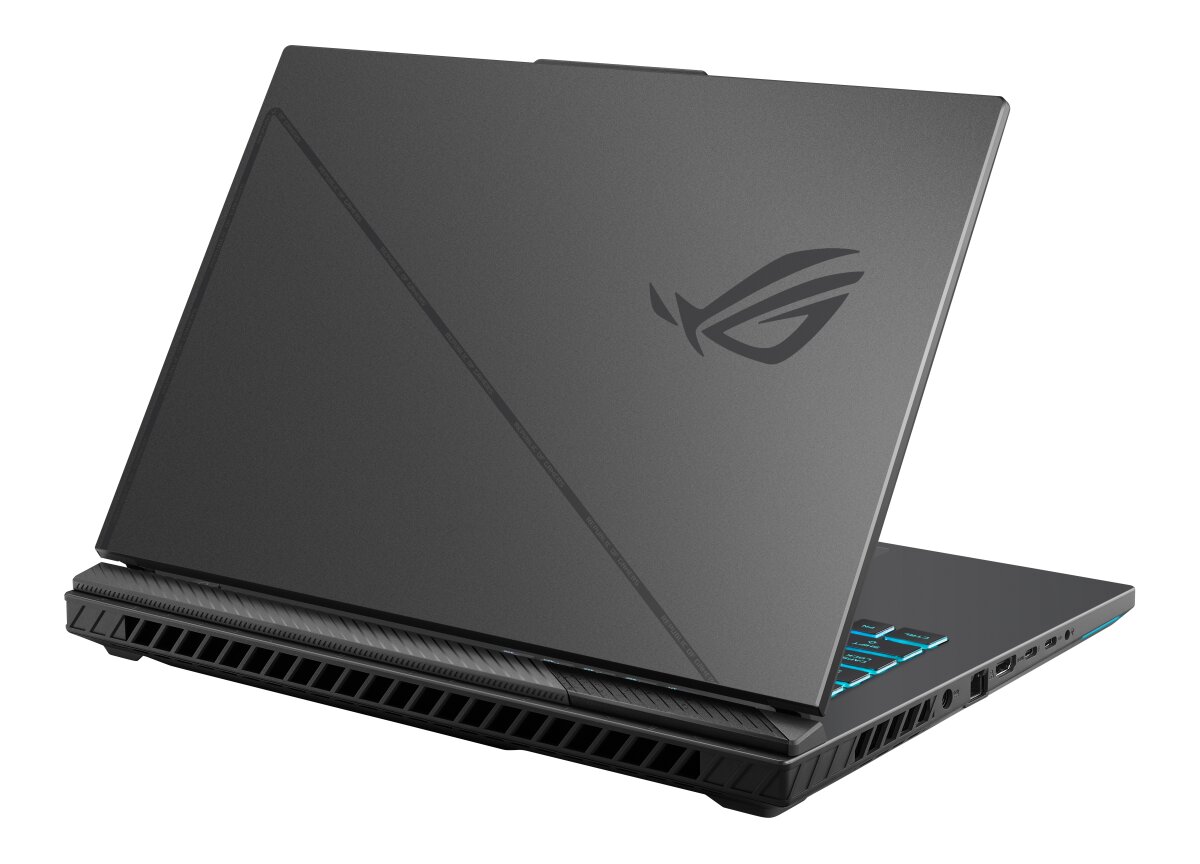
The ASUS ROG Strix G16 G614JU-N3440-GAMING gaming laptop features DDR5-SDRAM memory upgrade specifications. The system contains two SO-DIMM slots supporting a maximum RAM capacity of 32 GB total. Compatible memory operates at 4800 MHz frequency. Upgrades utilize SO-DIMM form factor modules, enabling users to expand the laptop's memory configuration for enhanced multitasking and performance capabilities.
Memory Upgrade Specifications
| Specification | Value |
|---|---|
| Memory slots | 2x SO-DIMM |
| Form factor | SO-DIMM |
| Memory type | DDR5-SDRAM |
| Frequency | 4800 MHz |
| Maximum RAM | 32 GB |
| Voltage | 1.1V |
| Number of pins | 262-pin |
| Interface | PC5 |
| PC Speed Rating | PC5-4800 (PC5-38400) |
| Bandwidth | 38.4 GB/s |
Additional Notes
- The ASUS ROG G614JU-N3440-GAMING's 32 GB ceiling exists because the chipset or memory controller restricts maximum addressable capacity, preventing support for higher-density modules beyond 16 GB per slot.
- DDR5-4800 represents JEDEC baseline specification rather than performance-optimized speeds, leaving headroom for modules rated at 5200 MHz or higher if the system firmware supports XMP 3.0 or EXPO profiles.
- SO-DIMM slots require physical access through the bottom panel, which typically involves removing multiple screws and potentially breaking tamper-evident seals that could affect manufacturer warranty coverage depending on regional support policies.
- Dual-channel architecture necessitates matched module pairs to avoid asymmetric configurations that force single-channel operation, halving theoretical memory bandwidth from approximately 76.8 GB/s to 38.4 GB/s per channel.
- DDR5's on-die ECC operates independently of system-level error correction, providing background data integrity without BIOS configuration but offering no protection against uncorrectable multi-bit errors in non-server environments.
- Mixing DDR5 modules with different CAS latencies forces the memory controller to adopt the slowest timing specification across all installed capacity, potentially degrading performance if mismatched kits are combined.
- The 4800 MHz native frequency translates to approximately 10 nanosecond true latency when paired with typical CL40 timings, creating potential responsiveness differences compared to tighter CL38 configurations at equivalent speeds.
- Thermal considerations become relevant above stock specifications since DDR5 modules generate more heat than DDR4 predecessors, particularly when operating at voltages exceeding 1.1V during overclocked configurations.
- Upgrading from soldered memory configurations is impossible as no such option exists here, but the presence of accessible slots allows capacity expansion without requiring motherboard replacement or professional soldering services.
- Memory bandwidth scales linearly with frequency only when the infinity fabric or equivalent interconnect can synchronize, otherwise creating latency penalties that offset raw throughput gains in latency-sensitive applications.