ASUS ROG G614JU-N4132W RAM upgrade specifications



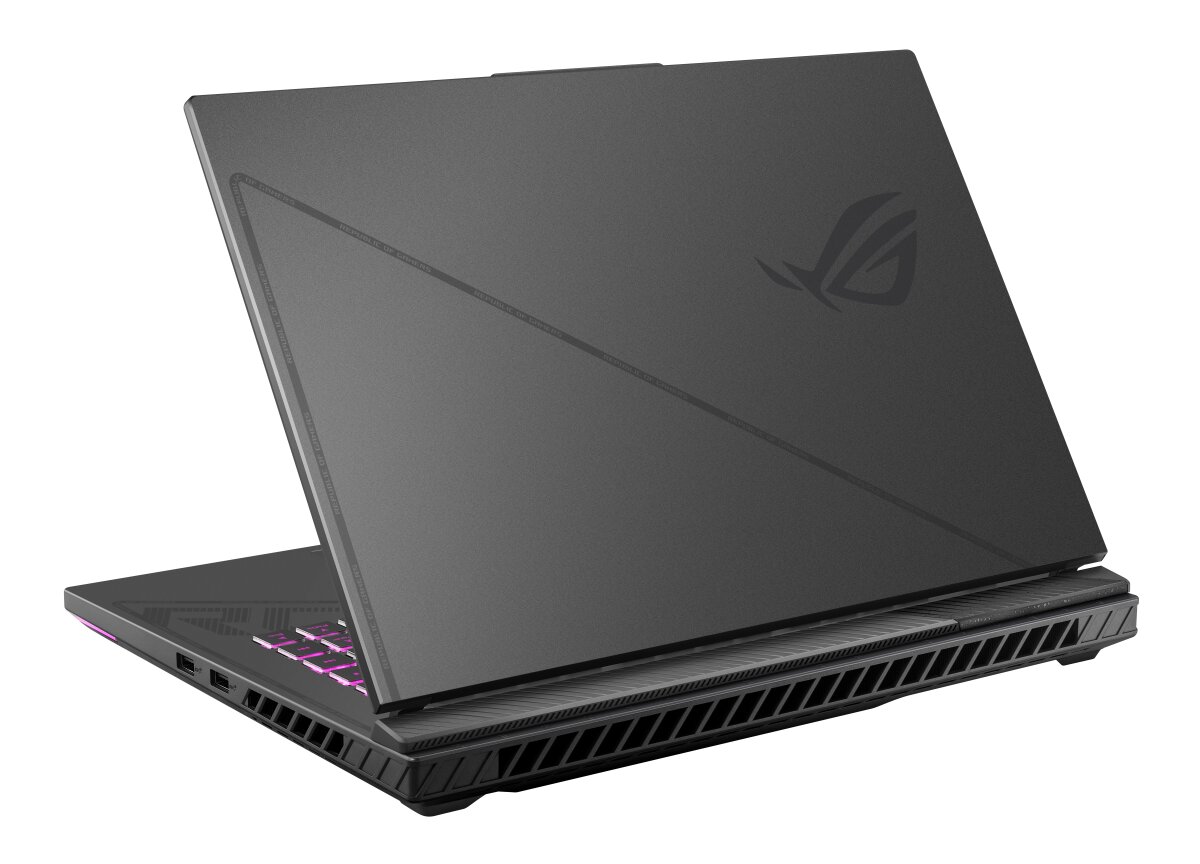
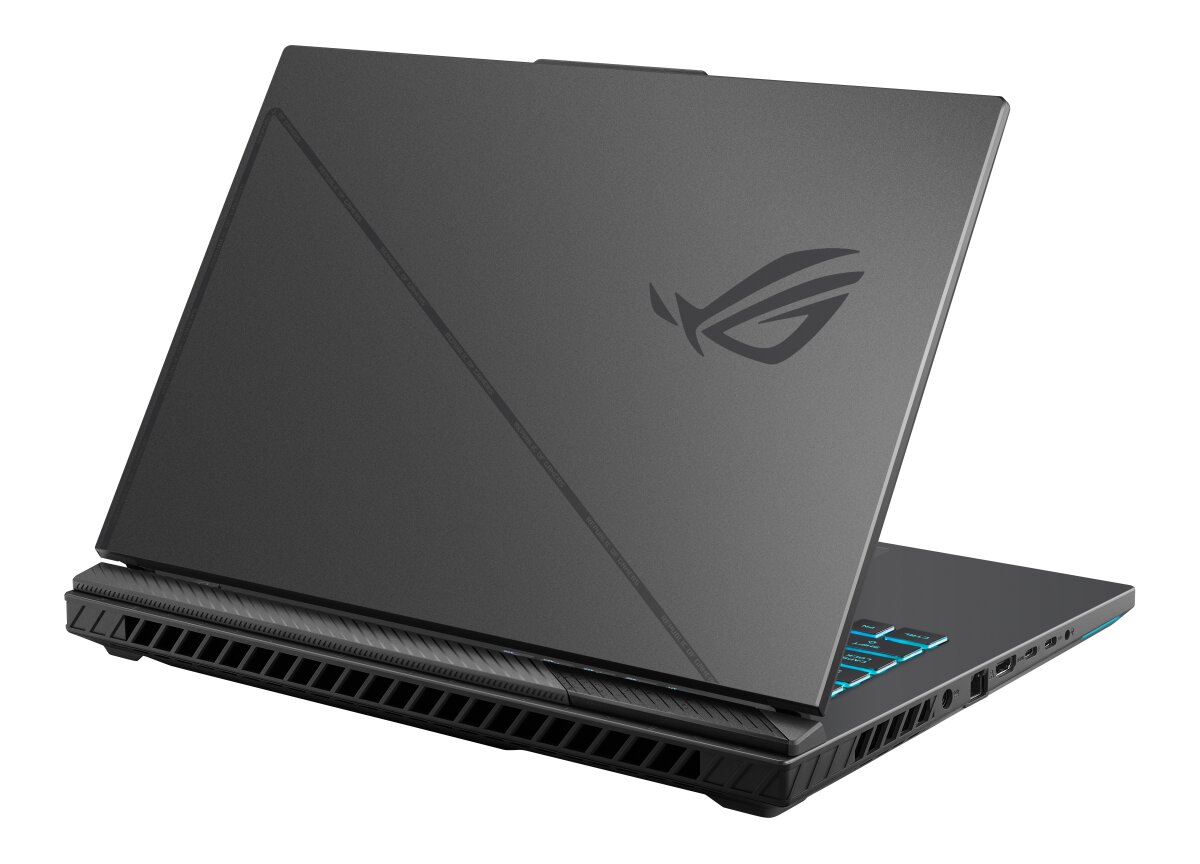
The ASUS ROG Strix G16 G614JU-N4132W laptop features DDR5-SDRAM memory upgrade capabilities. Compatible RAM specifications include two SO-DIMM slots supporting maximum capacity of 32 GB total memory. Memory operates at 4800 MHz frequency. Upgrade options accommodate DDR5 SO-DIMM modules for enhanced system performance. Specifications enable users to expand from factory configuration to maximum supported capacity through compatible memory modules installed in available slots.
Memory Upgrade Specifications
| Specification | Value |
|---|---|
| Memory slots | 2x SO-DIMM |
| Form factor | SO-DIMM |
| Memory type | DDR5-SDRAM |
| Frequency | 4800 MHz |
| Maximum RAM | 32 GB |
| Voltage | 1.1V |
| Number of pins | 262-pin |
| Interface | PC5 |
| PC Speed Rating | PC5-4800 (PC5-38400) |
| Bandwidth | 38.4 GB/s |
| Laptop Release date | 28 April 2023 |
Additional Notes
- The ASUS ROG G614JU-N4132W architecture limits total system memory to 32 GB, restricting workloads that require larger memory allocations such as extensive virtual machine hosting or large-scale data analysis.
- DDR5 modules operating at 4800 MHz represent the JEDEC baseline specification, leaving headroom for potential performance gains if the system supports higher-speed modules through XMP or EXPO profiles.
- SO-DIMM form factor modules physically differ from desktop DIMM configurations, preventing cross-compatibility with tower systems and requiring laptop-specific module sourcing.
- The 2-slot configuration enforces a direct capacity trade-off, where upgrading to maximum capacity necessitates replacing both modules rather than adding to existing memory.
- DDR5 architecture operates with dual-channel per module inherently, meaning single-module configurations still maintain dual-channel functionality unlike DDR4 implementations.
- Voltage requirements for DDR5 standardize at 1.1V compared to DDR4's 1.2V, reducing thermal output but eliminating backward compatibility with older generation slots.
- Memory frequency of 4800 MHz delivers 38.4 GB/s theoretical bandwidth per channel, doubling DDR4-2400 transfer rates for bandwidth-intensive operations.
- The 32 GB ceiling combined with SO-DIMM physical constraints indicates probable use of single-rank or dual-rank 16 GB modules rather than higher-density configurations.
- Accessing SO-DIMM slots typically requires bottom panel removal, which may involve voiding seals or removing warranty stickers depending on regional service policies.
- DDR5 modules incorporate onboard power management integrated circuits, adding complexity to module validation and potentially affecting compatibility with third-party memory brands.
- Mixing modules with different timings or speeds typically forces the system to operate all memory at the lowest common specification, negating performance benefits of faster modules.