ASUS ROG G614JV-AS73 RAM upgrade specifications
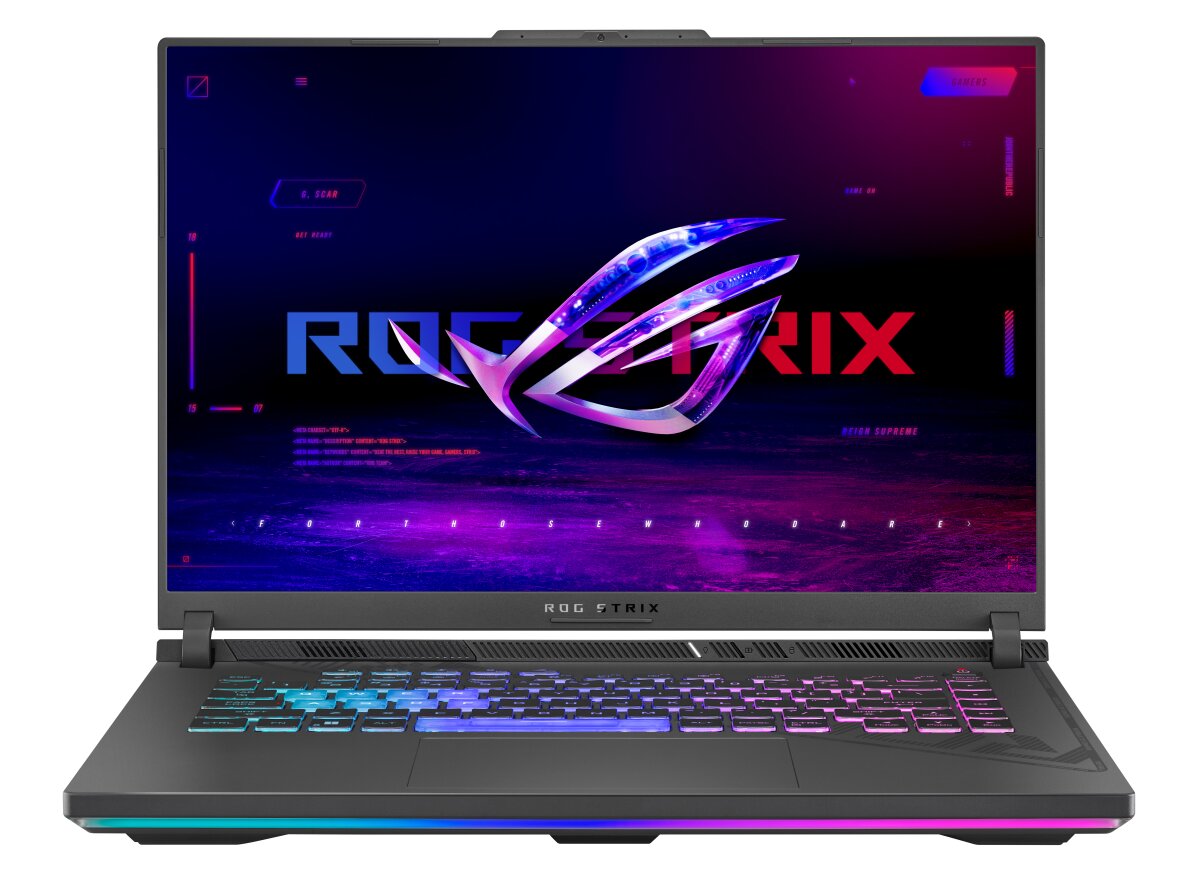
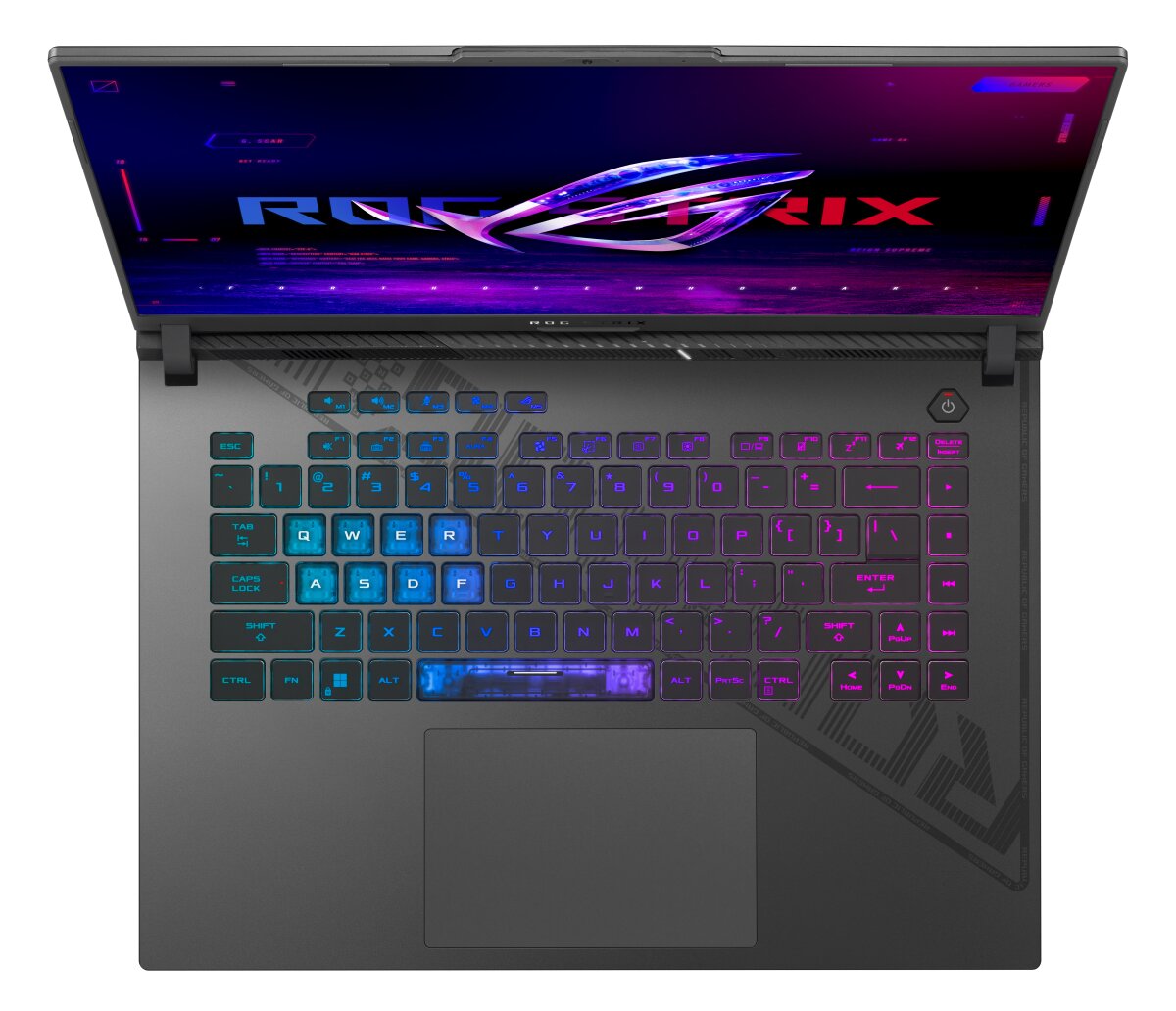
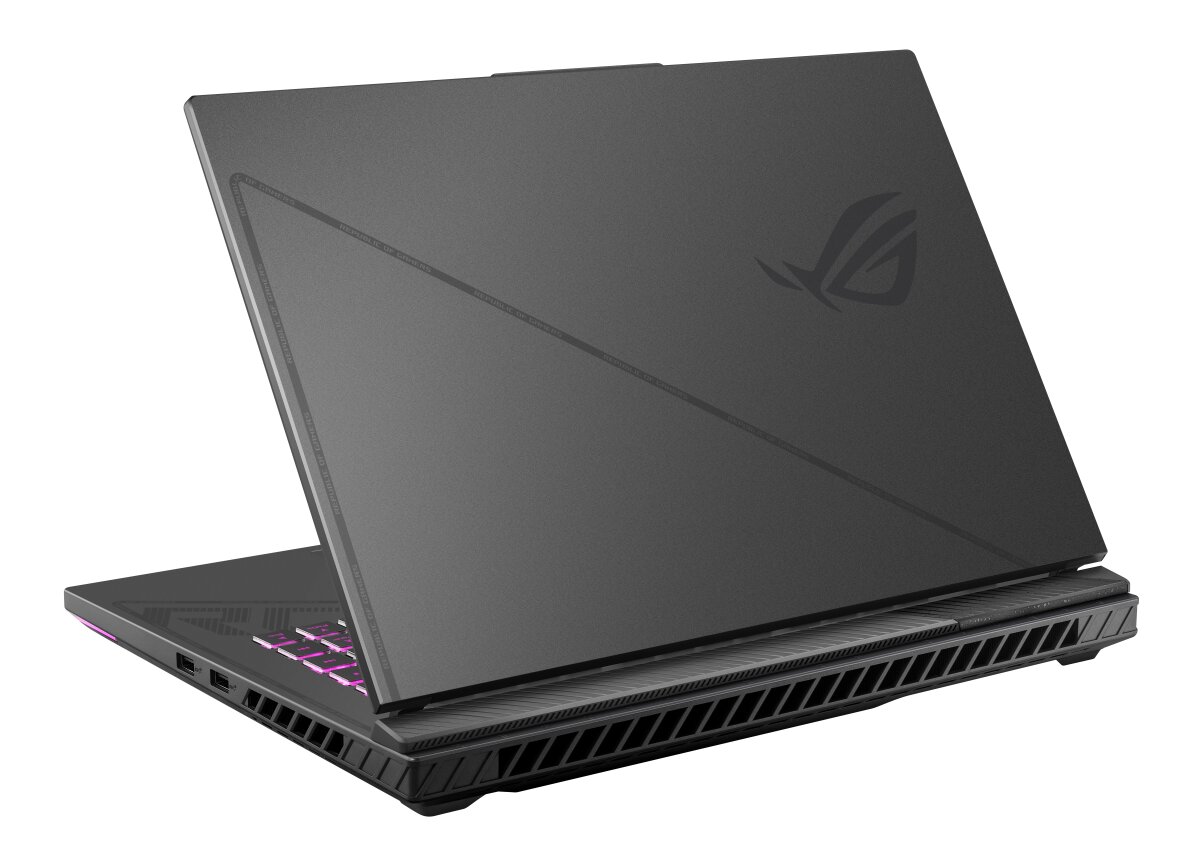
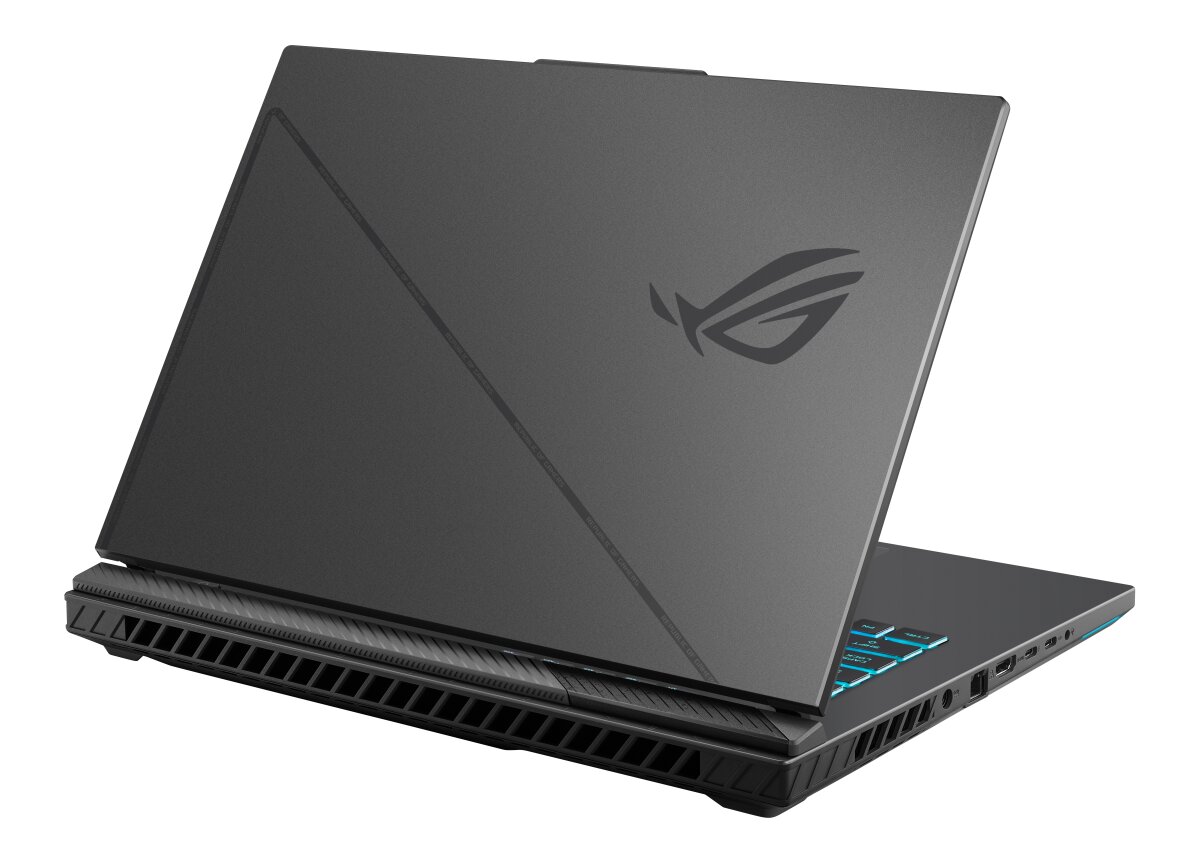
The ASUS ROG Strix G16 G614JV-AS73 features DDR5-SDRAM memory upgrade capabilities with two SO-DIMM slots supporting maximum capacity of 32 GB total RAM. The compatible memory operates at 4800 MHz frequency specifications. This gaming laptop model accommodates SO-DIMM form factor modules, enabling memory expansion for enhanced multitasking and performance requirements. Upgrade options range from 8 GB to 16 GB per slot configurations, with all DDR5 modules meeting the specified frequency parameters compatible with the G614JV-AS73 specifications.
Memory Upgrade Specifications
| Specification | Value |
|---|---|
| Memory slots | 2x SO-DIMM |
| Form factor | SO-DIMM |
| Memory type | DDR5-SDRAM |
| Frequency | 4800 MHz |
| Maximum RAM | 32 GB |
| Voltage | 1.1V |
| Number of pins | 262-pin |
| Interface | PC5 |
| PC Speed Rating | PC5-4800 (PC5-38400) |
| Bandwidth | 38.4 GB/s |
| Laptop Release date | 16 March 2023 |
Additional Notes
- The ASUS ROG G614JV-AS73 supports DDR5 memory exclusively, which means DDR4 modules cannot be physically installed regardless of capacity, as the slot keying and voltage requirements (1.1V) are incompatible with previous-generation memory types.
- With 2 SO-DIMM slots limited to 32 GB maximum capacity, the upgrade path terminates at 16 GB per module; this configuration cannot be expanded beyond the specified ceiling, making future-proofing through memory addition impossible once the maximum is reached.
- SO-DIMM form factor confinement means standard desktop DDR5 UDIMM modules cannot be used as alternatives; laptop-specific small outline modules are mandatory for any memory replacement or expansion.
- The 4800 MHz specification operates at JEDEC standard speeds for DDR5 laptop implementations; modules marketed at higher frequencies (5200 MHz, 5600 MHz, 6000 MHz) will downclock to 4800 MHz due to platform firmware constraints and will not provide measurable performance gains.
- Dual-channel architecture with 2 slots means optimal performance requires either matched dual modules or population of both slots; single-module configurations will operate in single-channel mode with approximately 25 percent latency increase relative to dual-channel operation.
- Installation of mismatched capacity modules (such as 8 GB and 16 GB) triggers dual-channel operation only up to the smaller module's capacity, leaving the additional 8 GB in single-channel mode and creating asymmetric memory architecture with potential throughput penalties in bandwidth-intensive workloads.
- Warranty coverage for memory upgrades typically remains valid when using standard JEDEC-compliant DDR5-4800 modules; however, non-standard frequencies or untested third-party modules may void manufacturer support despite physical installation success.