ASUS ROG G614JV-AS94 RAM upgrade specifications



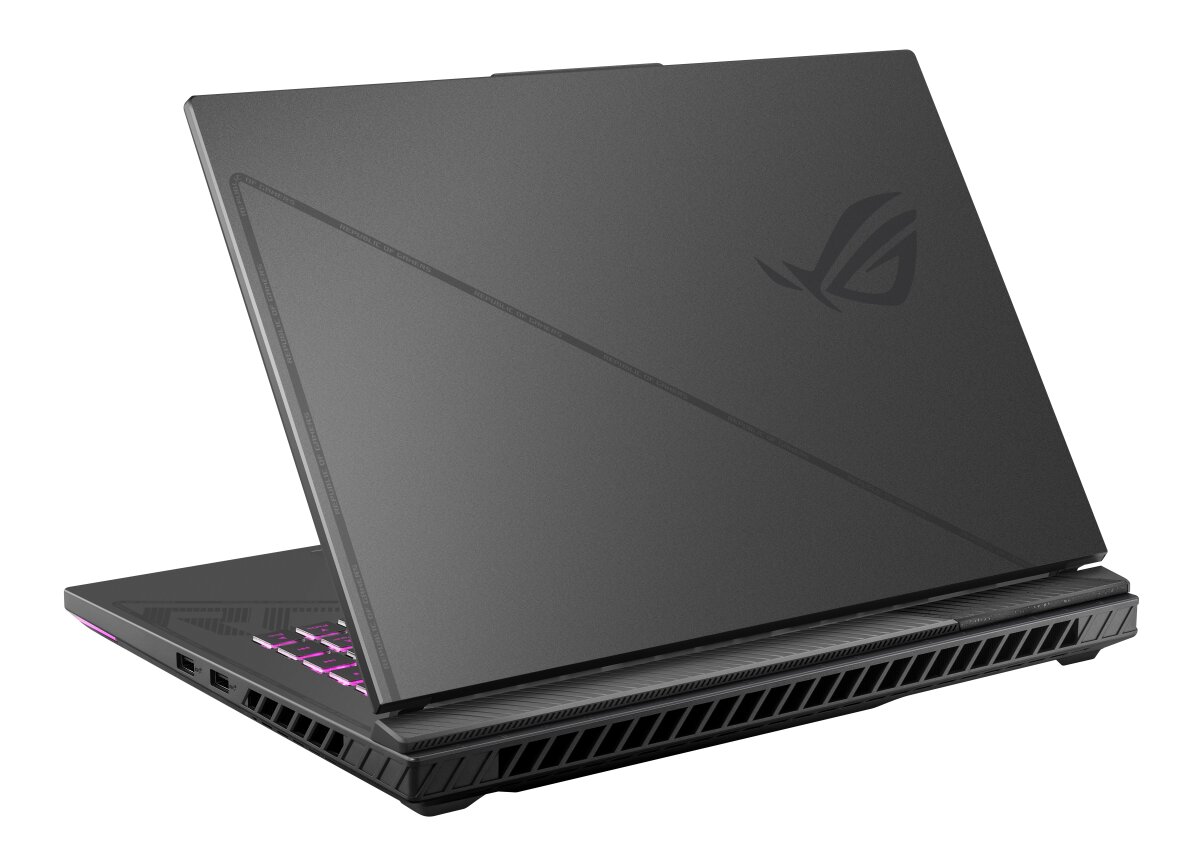
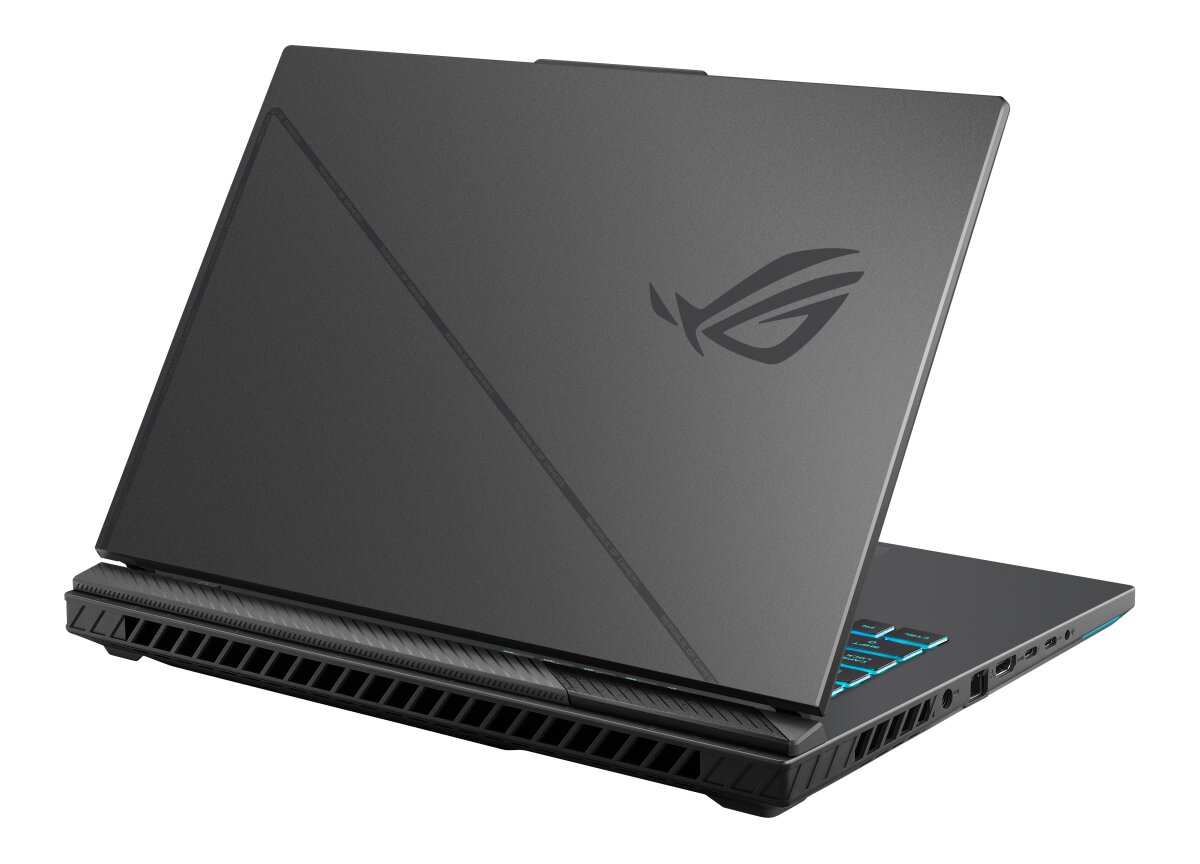
ASUS ROG Strix G16 G614JV-AS94 laptop memory upgrade specifications include DDR5-SDRAM compatible RAM modules. The system features 2x SO-DIMM slots supporting maximum capacity of 32 GB total memory. Upgrade modules operate at 4800 MHz frequency and utilize SO-DIMM form factor. Compatible memory upgrades expand the laptop's RAM capacity for enhanced multitasking and performance applications.
Memory Upgrade Specifications
| Specification | Value |
|---|---|
| Memory slots | 2x SO-DIMM |
| Form factor | SO-DIMM |
| Memory type | DDR5-SDRAM |
| Frequency | 4800 MHz |
| Maximum RAM | 32 GB |
| Voltage | 1.1V |
| Number of pins | 262-pin |
| Interface | PC5 |
| PC Speed Rating | PC5-4800 (PC5-38400) |
| Bandwidth | 38.4 GB/s |
Additional Notes
- The ASUS ROG G614JV-AS94 uses SO-DIMM modules instead of standard DIMM, requiring laptop-specific memory that typically costs 15 to 25 percent more than desktop equivalents at identical specifications.
- DDR5 operates at a baseline voltage of 1.1V compared to DDR4's 1.2V, reducing power consumption but eliminating all backward compatibility with DDR4 modules regardless of physical form factor matching.
- The 32 GB maximum capacity indicates chipset-level memory controller limitations that cannot be bypassed through BIOS updates or module substitution.
- Dual-channel configuration requires matched pairs of identical specification modules to achieve maximum memory bandwidth of 76.8 GB/s, while mismatched modules force single-channel operation at half that throughput.
- The 4800 MHz frequency represents JEDEC standard speed for DDR5, with higher frequency modules automatically downclocking to this speed unless XMP/EXPO profiles receive mainboard support.
- DDR5's on-DIMM power management integrated circuit (PMIC) shifts voltage regulation from the motherboard to individual modules, introducing module-specific stability variables absent in DDR4 architectures.
- SO-DIMM installation in this chassis requires complete bottom panel removal rather than dedicated access doors, complicating field upgrades and potentially affecting thermal paste integrity on adjacent cooling systems.
- Memory upgrades maintain warranty coverage under most regional regulations, but modules must meet JEDEC specifications to avoid invalidation through non-standard voltage or timing parameters.
- The 2-slot configuration limits upgrade paths to replacement rather than expansion once both slots contain modules, requiring resale or repurposing of removed memory.
- DDR5-4800 CAS latency typically ranges from CL40 to CL46, producing absolute latency between 16.6 and 19.1 nanoseconds that exceeds DDR4-3200 CL16 despite higher bandwidth.