ASUS ROG G614JV-N3014W RAM upgrade specifications



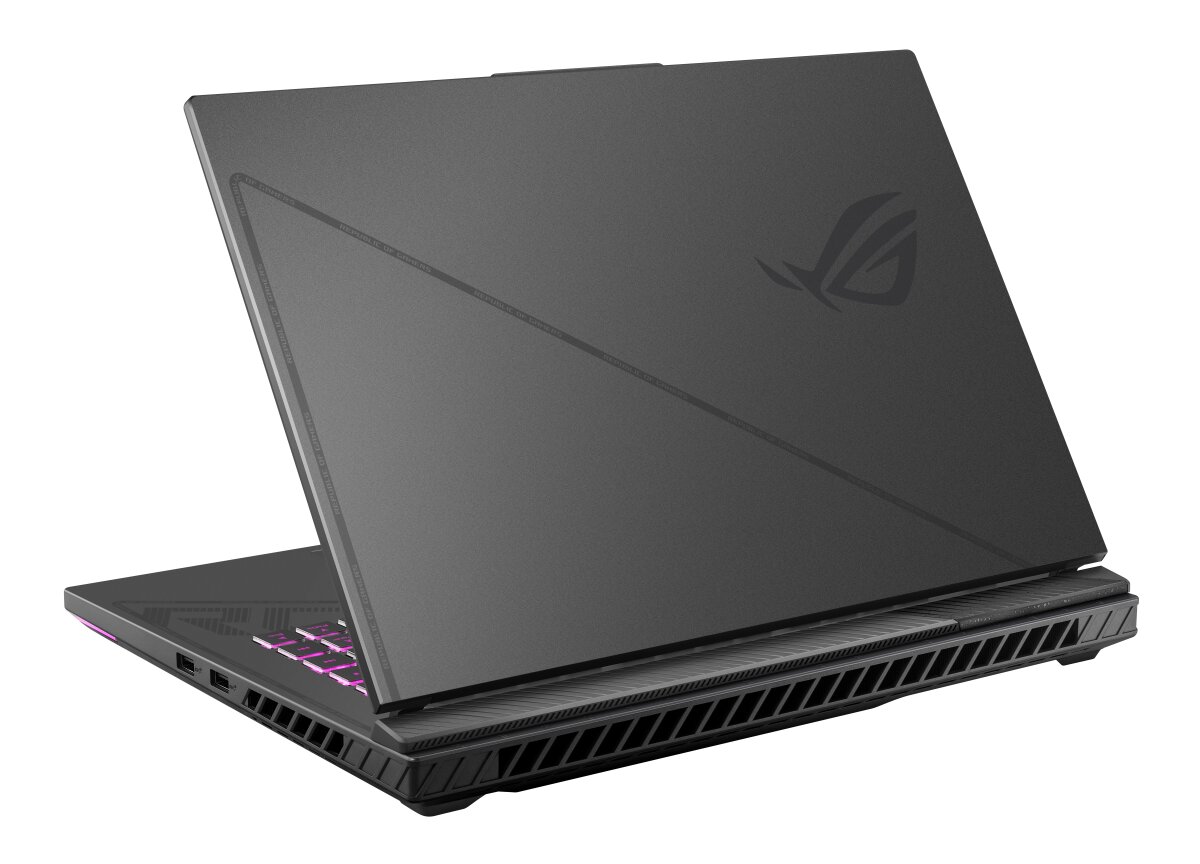
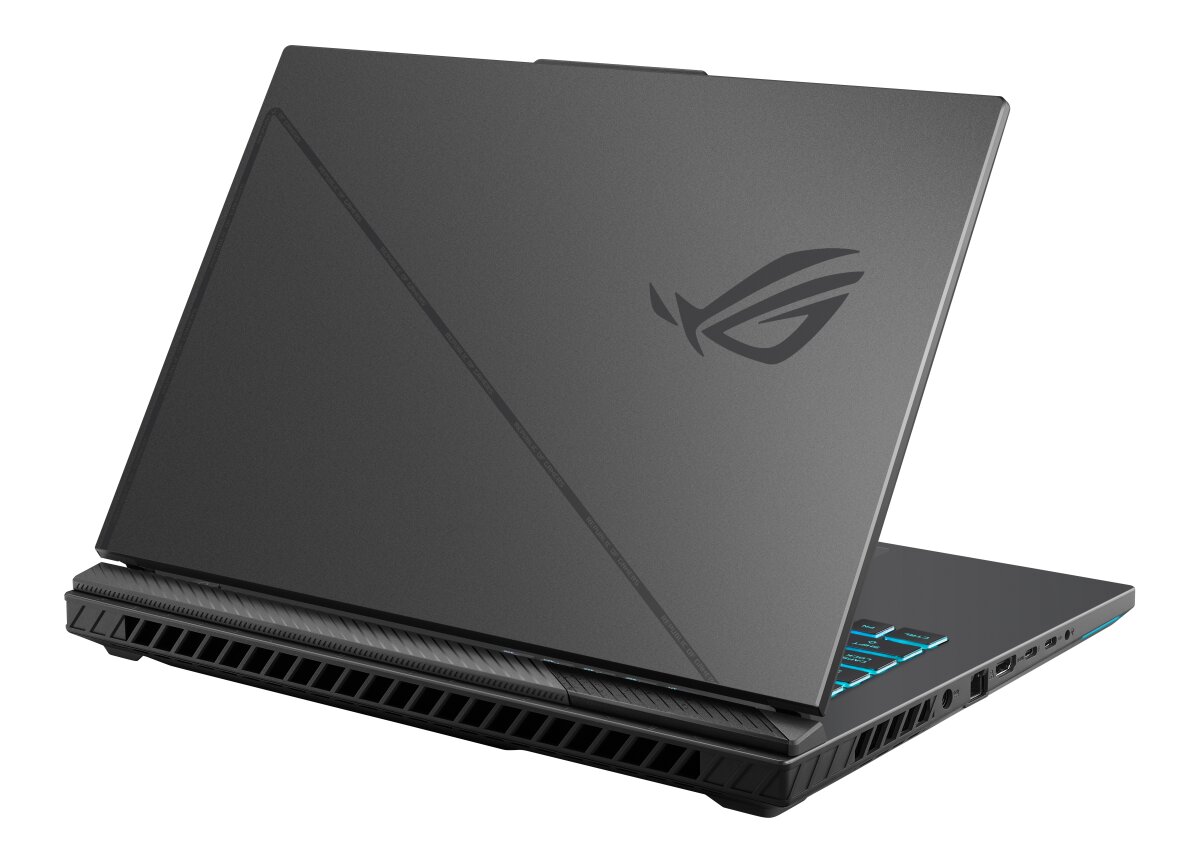
ASUS ROG Strix G16 G614JV-N3014W specifications indicate DDR5-SDRAM memory upgrade capacity. The laptop features 2x SO-DIMM slots supporting maximum RAM of 32 GB total capacity. Compatible DDR5 modules operate at 4800 MHz frequency. SO-DIMM form factor specifications provide upgrade compatibility information for this gaming laptop model. Memory slots accommodate dual channel configuration, enabling expanded RAM capacity for enhanced performance specifications.
Memory Upgrade Specifications
| Specification | Value |
|---|---|
| Memory slots | 2x SO-DIMM |
| Form factor | SO-DIMM |
| Memory type | DDR5-SDRAM |
| Frequency | 4800 MHz |
| Maximum RAM | 32 GB |
| Voltage | 1.1V |
| Number of pins | 262-pin |
| Interface | PC5 |
| PC Speed Rating | PC5-4800 (PC5-38400) |
| Bandwidth | 38.4 GB/s |
Additional Notes
- The ASUS ROG G614JV-N3014W accepts only DDR5 modules, eliminating backward compatibility with DDR4 or earlier generation memory due to different pin configurations and voltage requirements.
- The 32 GB ceiling likely stems from chipset or BIOS limitations rather than physical slot constraints, potentially restricting future expansion if higher-capacity modules become available.
- Dual-channel architecture requires matched module pairs for optimal bandwidth utilization, meaning asymmetric configurations will force the system to operate in flex mode with reduced throughput on the larger module.
- SO-DIMM form factor necessitates laptop-specific modules approximately half the length of desktop DIMMs, which typically command price premiums compared to standard DIMM equivalents.
- The 4800 MHz specification represents JEDEC baseline DDR5 speed, leaving headroom for faster modules that may downclock automatically unless XMP/EXPO profiles receive BIOS support.
- Both occupied slots mean upgrades require complete module replacement rather than simple addition, effectively doubling the cost compared to systems with vacant expansion slots.
- DDR5's on-die ECC operates transparently at the DRAM level but differs from full ECC SO-DIMMs, which this system does not support based on consumer-grade platform architecture.
- Module height clearance beneath the chassis cover may restrict compatibility with certain manufacturers' designs, particularly those using taller heat spreaders or non-standard PCB constructions.
- Mixing modules with different latency timings or voltage specifications can trigger stability issues or force the system to adopt the slower module's parameters across both channels.
- Warranty preservation typically requires non-destructive installation, meaning technicians must avoid excessive force on the retention clips and ensure modules seat flush with audible locking confirmation.