ASUS ROG G614JV-N3153W RAM upgrade specifications


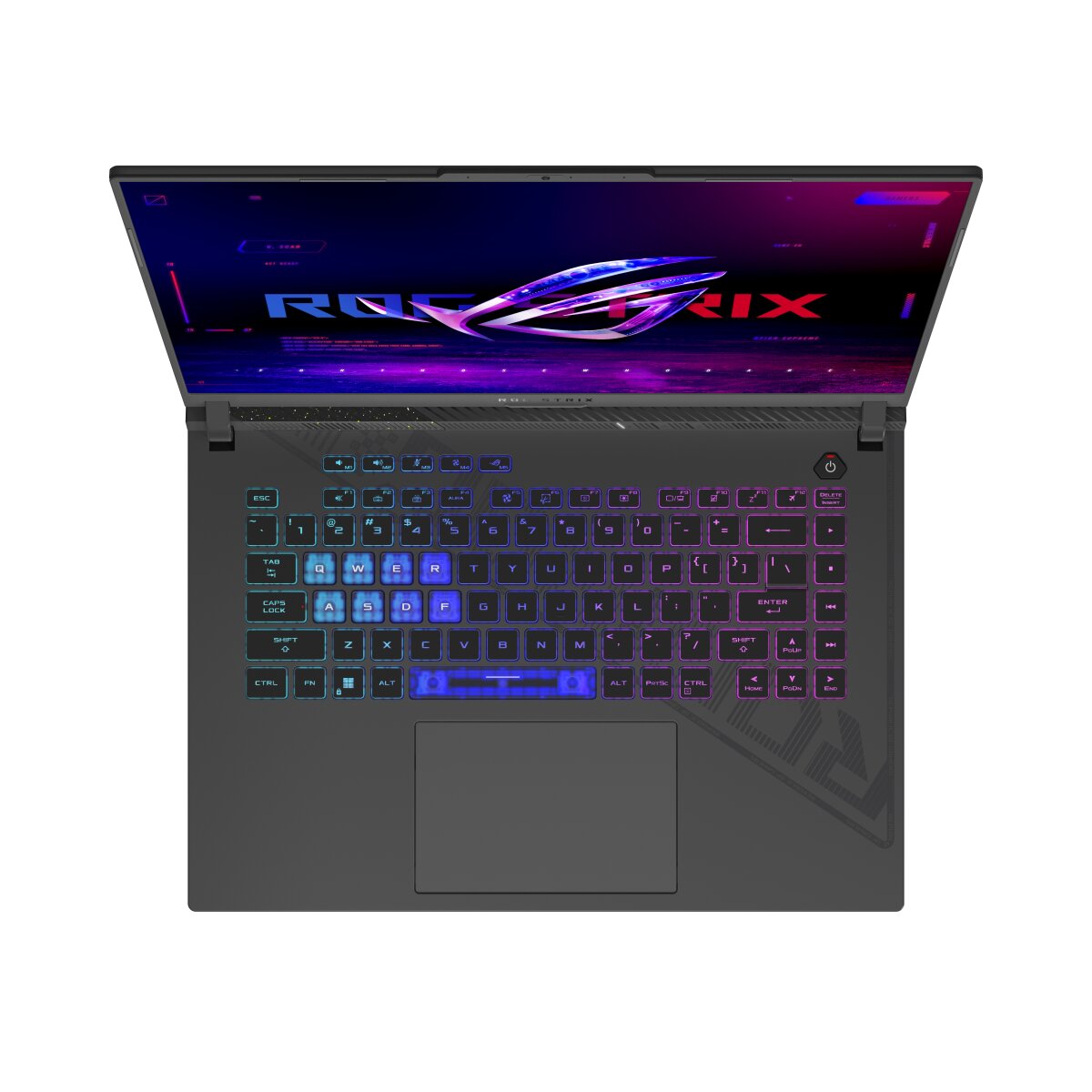


ASUS ROG Strix G16 model G614JV-N3153W features two SO-DIMM memory slots supporting DDR5-SDRAM upgrade specifications. Maximum RAM capacity reaches 32 GB total, with compatible modules operating at 4800 MHz frequency. Upgrade options accommodate standard SO-DIMM form factor DDR5 memory modules, enabling enhanced multitasking and performance capabilities for the gaming laptop specifications.
Memory Upgrade Specifications
| Specification | Value |
|---|---|
| Memory slots | 2x SO-DIMM |
| Form factor | SO-DIMM |
| Memory type | DDR5-SDRAM |
| Frequency | 4800 MHz |
| Maximum RAM | 32 GB |
| Voltage | 1.1V |
| Number of pins | 262-pin |
| Interface | PC5 |
| PC Speed Rating | PC5-4800 (PC5-38400) |
| Bandwidth | 38.4 GB/s |
| Laptop Release date | 27 February 2023 |
Additional Notes
- The ASUS ROG G614JV-N3153W architecture enforces a 32 GB ceiling across both SO-DIMM slots combined, requiring either a 2x16 GB configuration or accepting partial capacity with asymmetric module pairing.
- DDR5 SO-DIMM modules operate at 1.1V compared to DDR4's 1.2V standard, making previous-generation memory physically incompatible despite identical 260-pin SO-DIMM form factors.
- The 4800 MHz specification represents JEDEC baseline speed for DDR5, meaning modules rated at 5200 MHz or 5600 MHz will downclock to 4800 MHz due to chipset frequency locking.
- Dual-channel bandwidth reaches 76.8 GB/s when both slots are populated with matched-capacity modules, dropping to asymmetric flex mode with mismatched sizes and reducing effective throughput.
- SO-DIMM DDR5 modules lack user-accessible XMP profiles found in desktop UDIMMs, preventing manual frequency overclocking beyond the motherboard's hardwired 4800 MHz limit.
- The 32 GB maximum constraint originates from memory controller addressing limits rather than physical slot availability, making 2x32 GB configurations non-functional even if modules physically install.
- Mixing different DDR5 speed bins (such as pairing 4800 MHz with 5600 MHz modules) forces both modules to the lowest common frequency and potentially introduces latency instability.
- CAS latency typically ranges from CL40 to CL46 for 4800 MHz DDR5 modules, with tighter timings reducing real-world access delays during cache-miss events despite identical frequency ratings.
- Aftermarket upgrades preserve warranty status when using JEDEC-standard modules, while non-standard voltages or thermal solutions may trigger coverage exclusions depending on regional warranty terms.
- The 2-slot configuration eliminates incremental upgrade paths, forcing full replacement of existing modules when expanding beyond factory-installed capacity rather than adding supplementary RAM.