ASUS ROG G614JV-N3157 RAM upgrade specifications


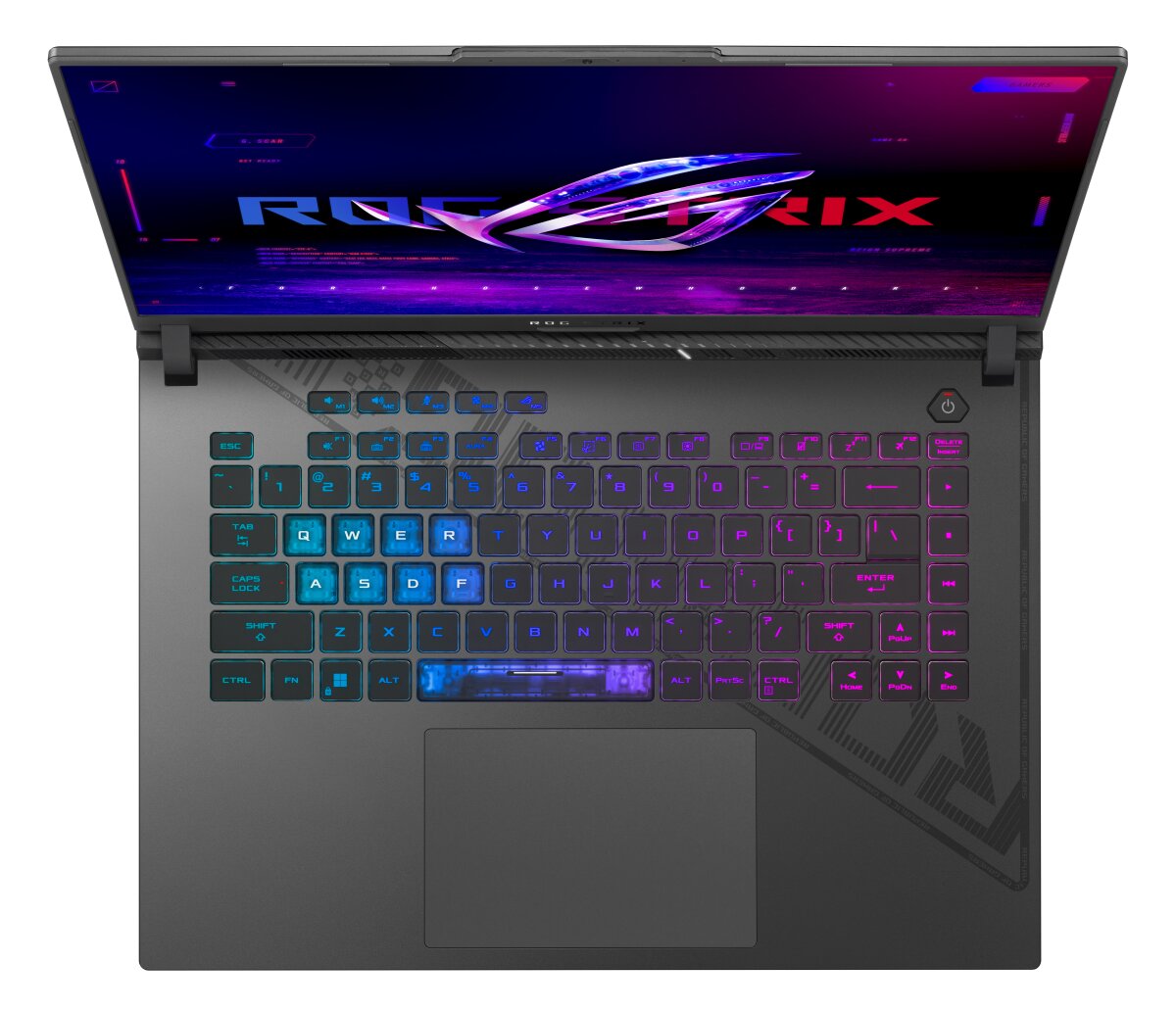
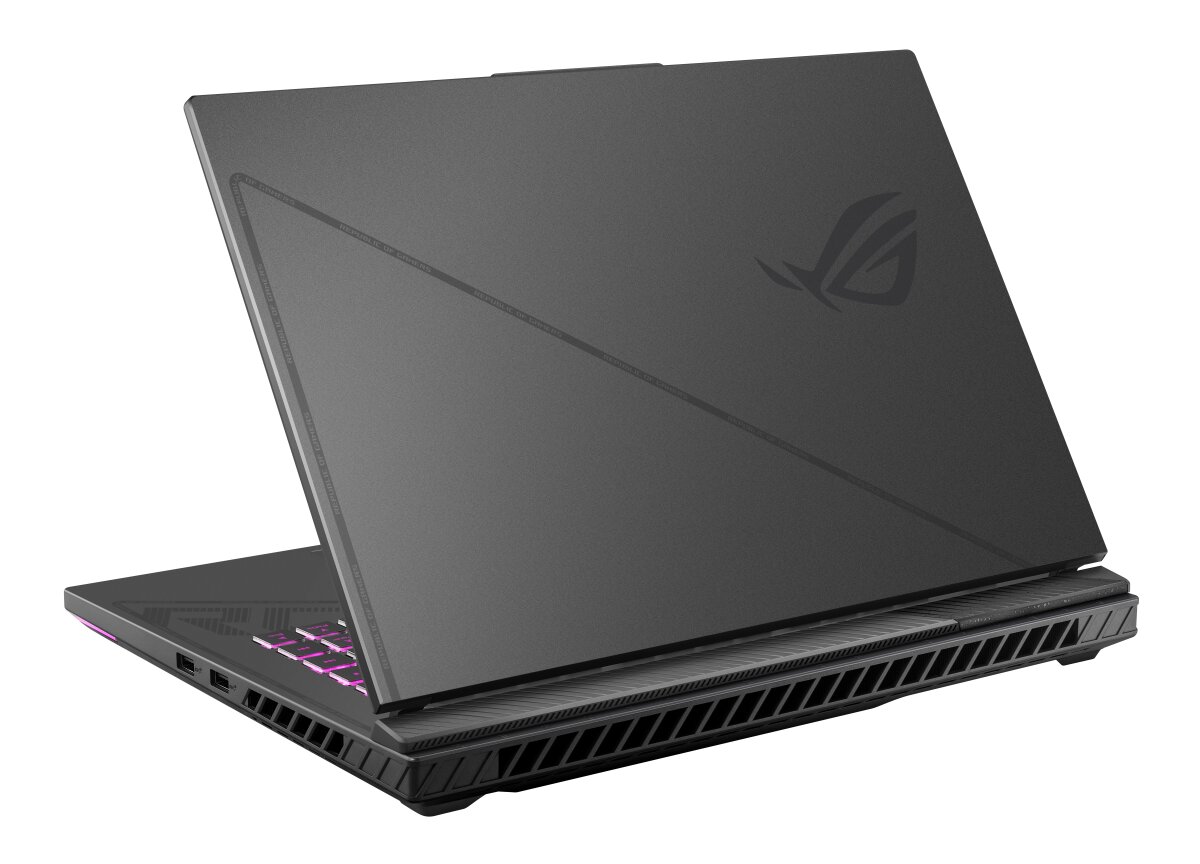
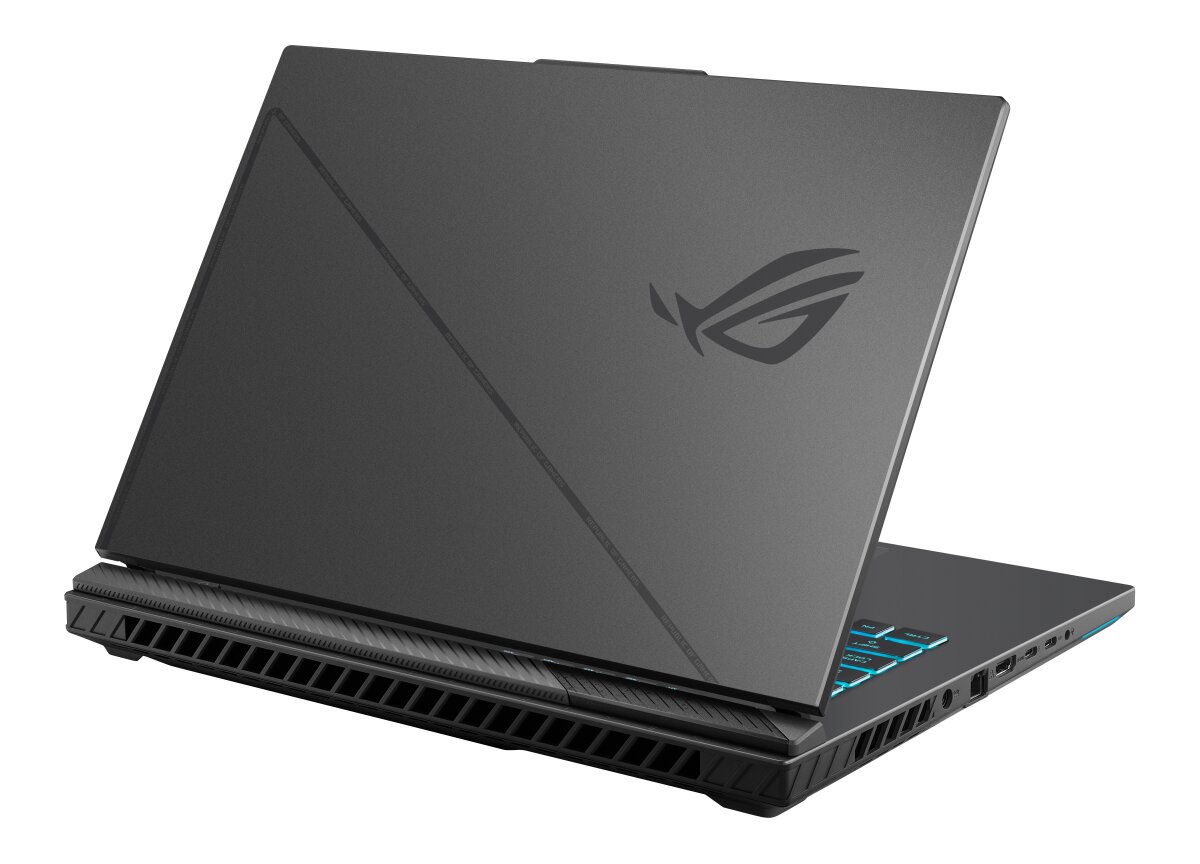
ASUS ROG Strix G16 G614JV-N3157 laptop supports DDR5-SDRAM memory upgrades with 2x SO-DIMM slots. Maximum RAM capacity reaches 32 GB, accommodating DDR5-4800 MHz specifications. Compatible memory modules utilize SO-DIMM form factor for this gaming notebook model. Upgrade options enable users to increase system RAM up to the specified maximum capacity for enhanced multitasking and performance capabilities.
Memory Upgrade Specifications
| Specification | Value |
|---|---|
| Memory slots | 2x SO-DIMM |
| Form factor | SO-DIMM |
| Memory type | DDR5-SDRAM |
| Frequency | 4800 MHz |
| Maximum RAM | 32 GB |
| Voltage | 1.1V |
| Number of pins | 262-pin |
| Interface | PC5 |
| PC Speed Rating | PC5-4800 (PC5-38400) |
| Bandwidth | 38.4 GB/s |
| Laptop Release date | 01 March 2023 |
Additional Notes
- The DDR5-SDRAM requirement prevents backward compatibility with any DDR4 modules from older systems.
- The 4800 MHz specification represents JEDEC standard base frequency rather than performance-oriented XMP speeds available in desktop DDR5.
- SO-DIMM form factor compliance excludes standard desktop DIMM modules despite identical DDR5 technology.
- The 32 GB maximum capacity limitation restricts configurations to either 2x16 GB matched pairs or asymmetric combinations totaling within this ceiling.
- Dual SO-DIMM slot configuration on the ASUS ROG G614JV-N3157 enables dual-channel memory bandwidth when populated with matched modules.
- Mixing different capacity modules will maintain functionality but may force the memory controller to operate in asymmetric or flex mode rather than optimal dual-channel interleaving.
- DDR5 architecture incorporates on-module voltage regulation that differs from DDR4, requiring compatible BIOS firmware for proper initialization.
- Operating frequency at 4800 MHz provides 38.4 GB/s theoretical bandwidth per channel when both slots function in dual-channel mode.
- SO-DIMM installation typically requires partial disassembly of the bottom chassis panel rather than dedicated access doors found on some business-class models.
- Third-party modules must meet JEDEC DDR5-4800 specifications as non-standard timings may cause POST failures or stability issues under sustained workloads.
- Single-slot population halves available memory bandwidth by disabling dual-channel operation regardless of module capacity.
- The 32 GB ceiling suggests memory controller or motherboard trace limitations rather than processor architecture constraints.