ASUS ROG G614JV-N3157W RAM upgrade specifications


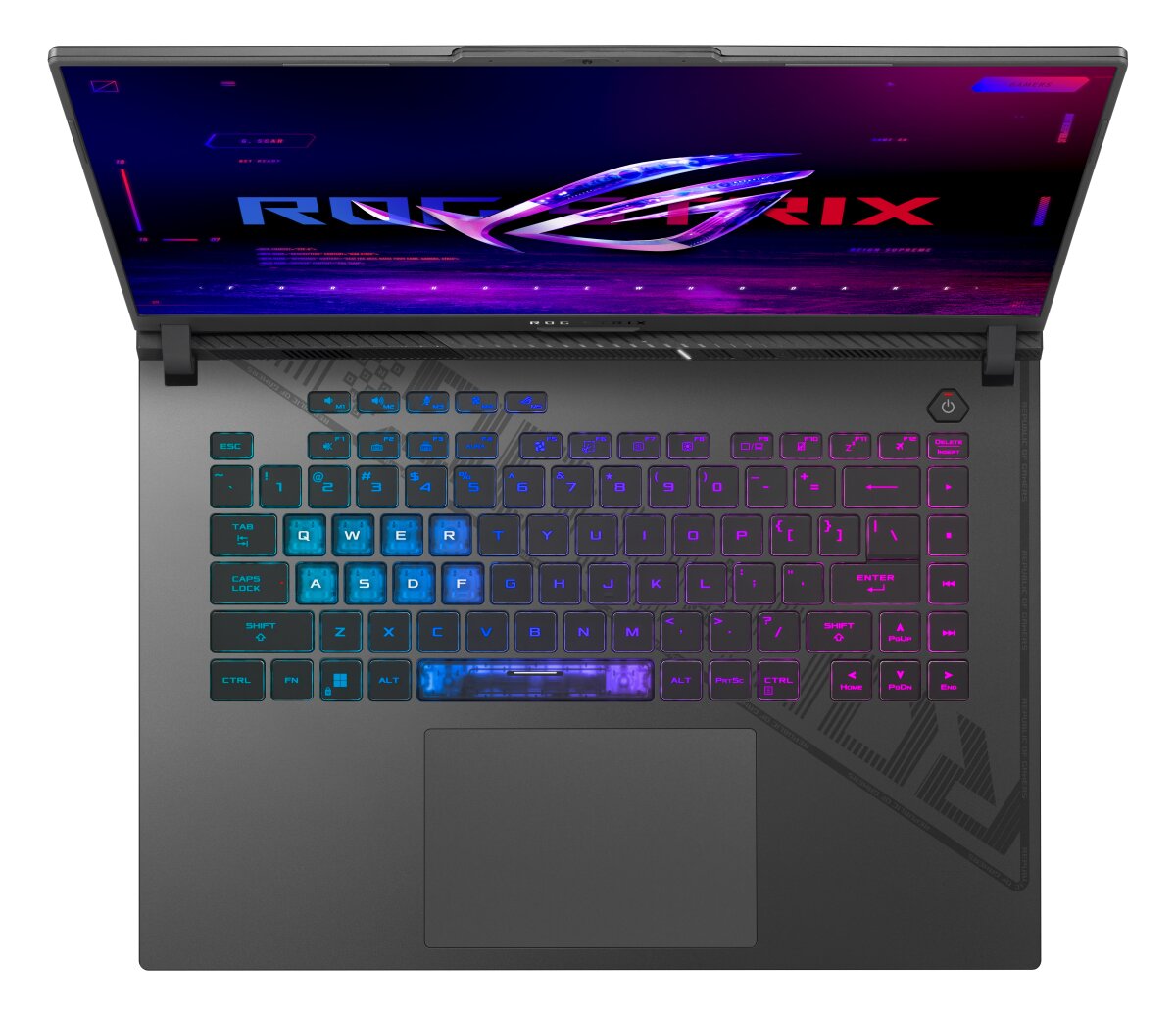
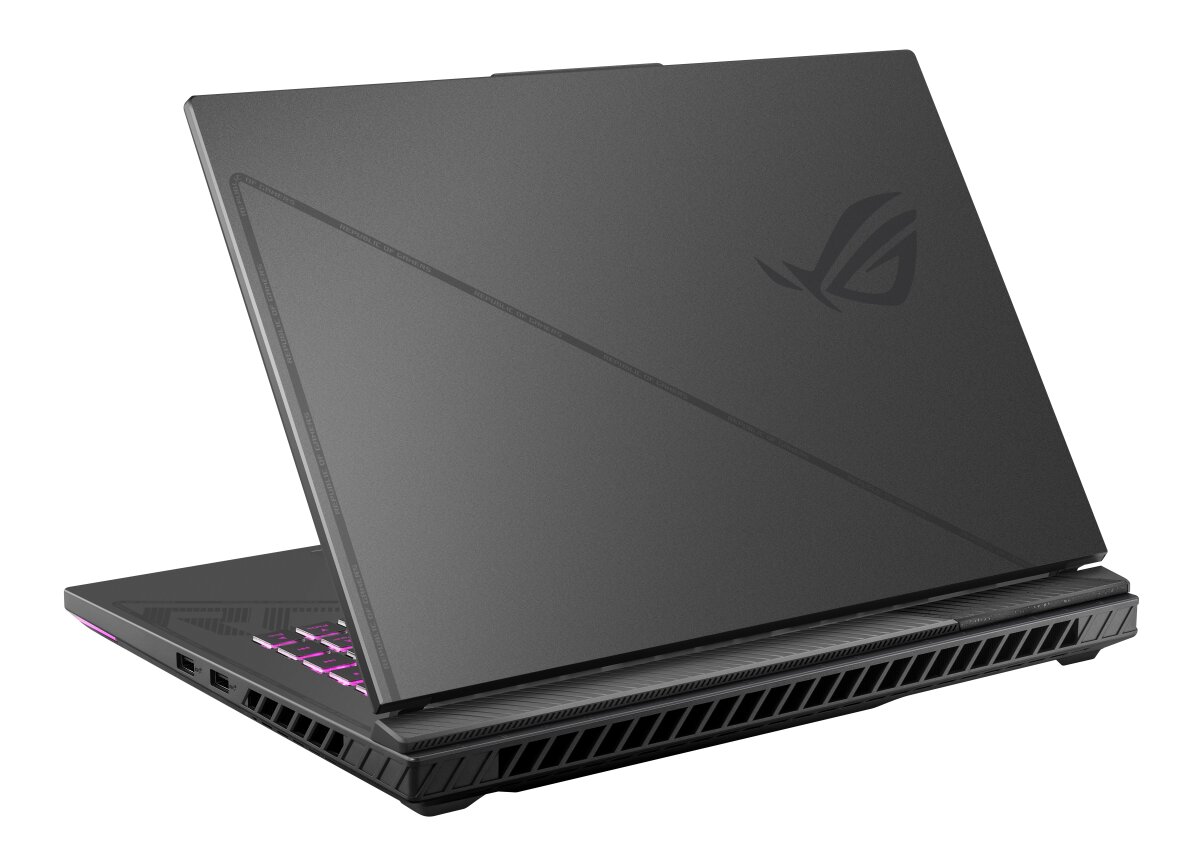
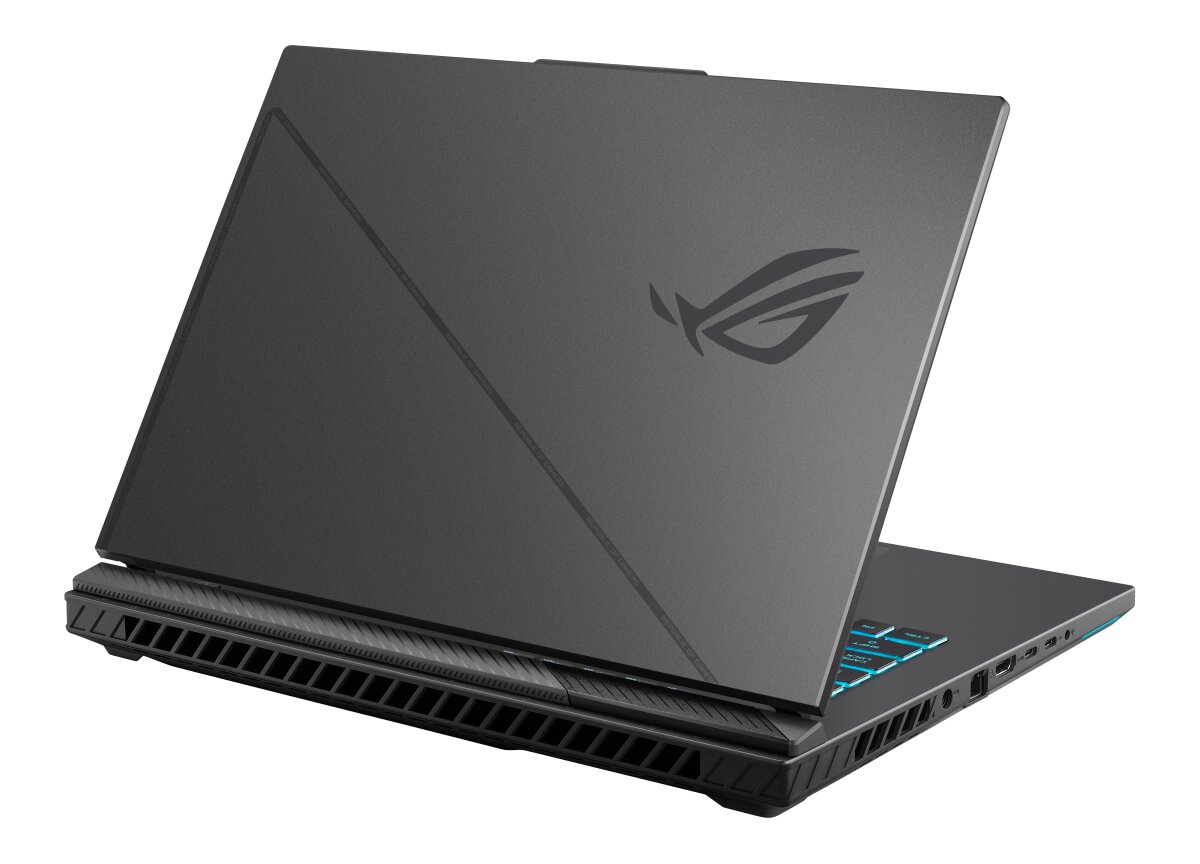
ASUS ROG Strix G16 G614JV-N3157W laptop features DDR5-SDRAM memory upgrade specifications. The system includes 2x SO-DIMM slots supporting maximum RAM capacity of 32 GB total. Compatible DDR5 modules operate at 4800 MHz frequency. SO-DIMM form factor memory modules are required for upgrades on this gaming laptop model. Specifications enable memory expansion to support demanding applications and multitasking performance on the Strix G16 series platform.
Memory Upgrade Specifications
| Specification | Value |
|---|---|
| Memory slots | 2x SO-DIMM |
| Form factor | SO-DIMM |
| Memory type | DDR5-SDRAM |
| Frequency | 4800 MHz |
| Maximum RAM | 32 GB |
| Voltage | 1.1V |
| Number of pins | 262-pin |
| Interface | PC5 |
| PC Speed Rating | PC5-4800 (PC5-38400) |
| Bandwidth | 38.4 GB/s |
| Laptop Release date | 10 June 2023 |
Additional Notes
- The ASUS ROG G614JV-N3157W enforces a 32 GB total memory ceiling, requiring either a 2x16 GB configuration or acceptance of unused capacity when installing higher-density modules.
- DDR5-4800 represents JEDEC baseline specification, leaving substantial headroom for XMP-enabled modules rated at 5200 MHz or higher if the chipset supports profile activation.
- SO-DIMM form factor eliminates compatibility with standard desktop DIMM modules despite identical DDR5 electrical specifications, as the physical notch position and pin count differ fundamentally.
- Dual-channel population across both slots delivers double the theoretical bandwidth compared to single-module configurations, critical for integrated graphics workloads and memory-intensive applications.
- DDR5 architecture incorporates on-die ECC for internal error correction, distinct from server-grade modules offering external parity checking unavailable in consumer SO-DIMM variants.
- Mixing modules with different primary timings forces the memory controller to adopt the slowest common denominator across CAS latency, RAS-to-CAS delay, and refresh parameters.
- Voltage standardization at 1.1V across DDR5 SO-DIMMs prevents compatibility issues from overvoltage-dependent overclocking profiles common in previous DDR4 generations.
- The 262-pin SO-DIMM interface maintains mechanical keying that physically prevents DDR4 module insertion, despite superficial dimensional similarity between generations.
- User-accessible memory slots typically preserve warranty coverage when following manufacturer-approved capacities, unlike soldered configurations that prohibit any post-purchase modification.
- Thermal considerations become relevant above 4800 MHz speeds, as higher-frequency modules generate increased heat within the confined laptop chassis compared to baseline JEDEC specifications.