ASUS ROG G614JV-N3211-GAMING RAM upgrade specifications


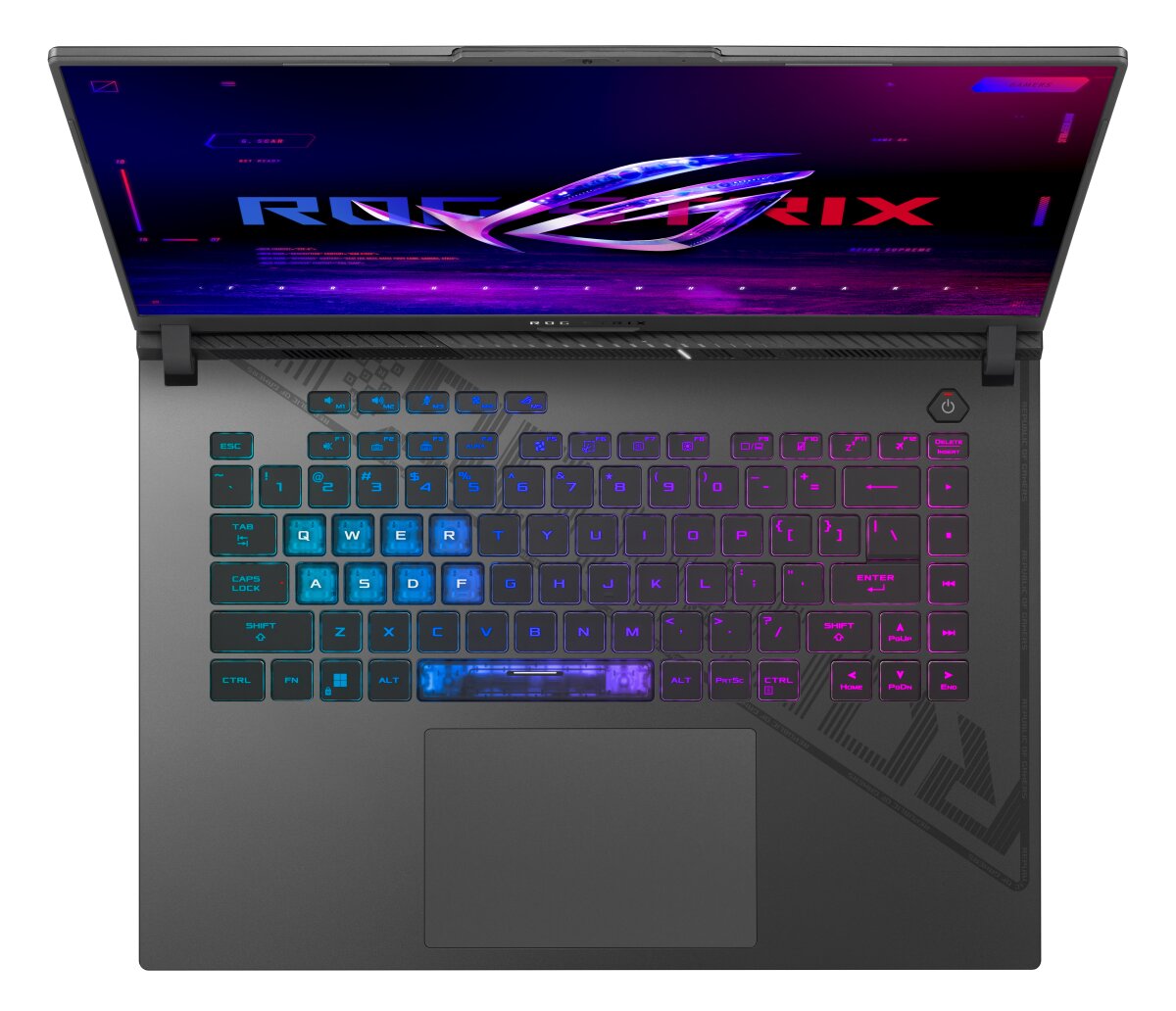
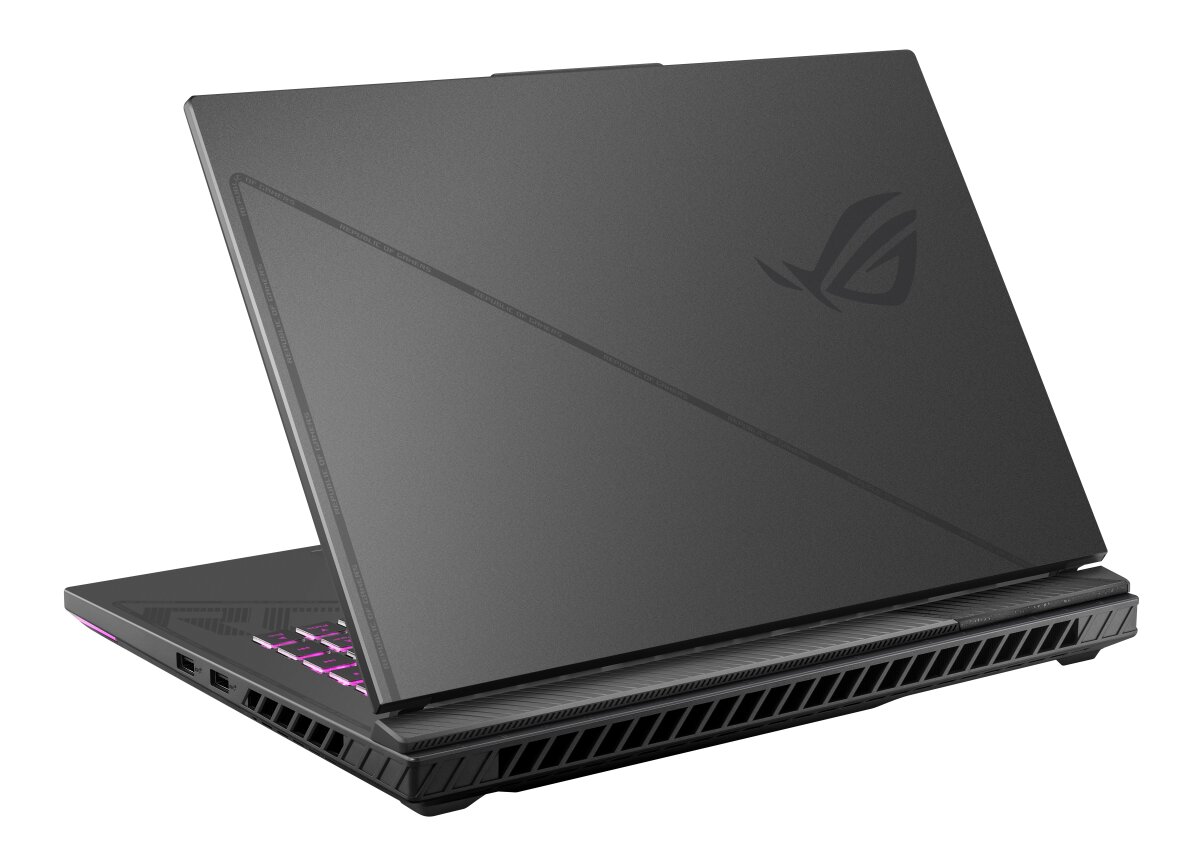
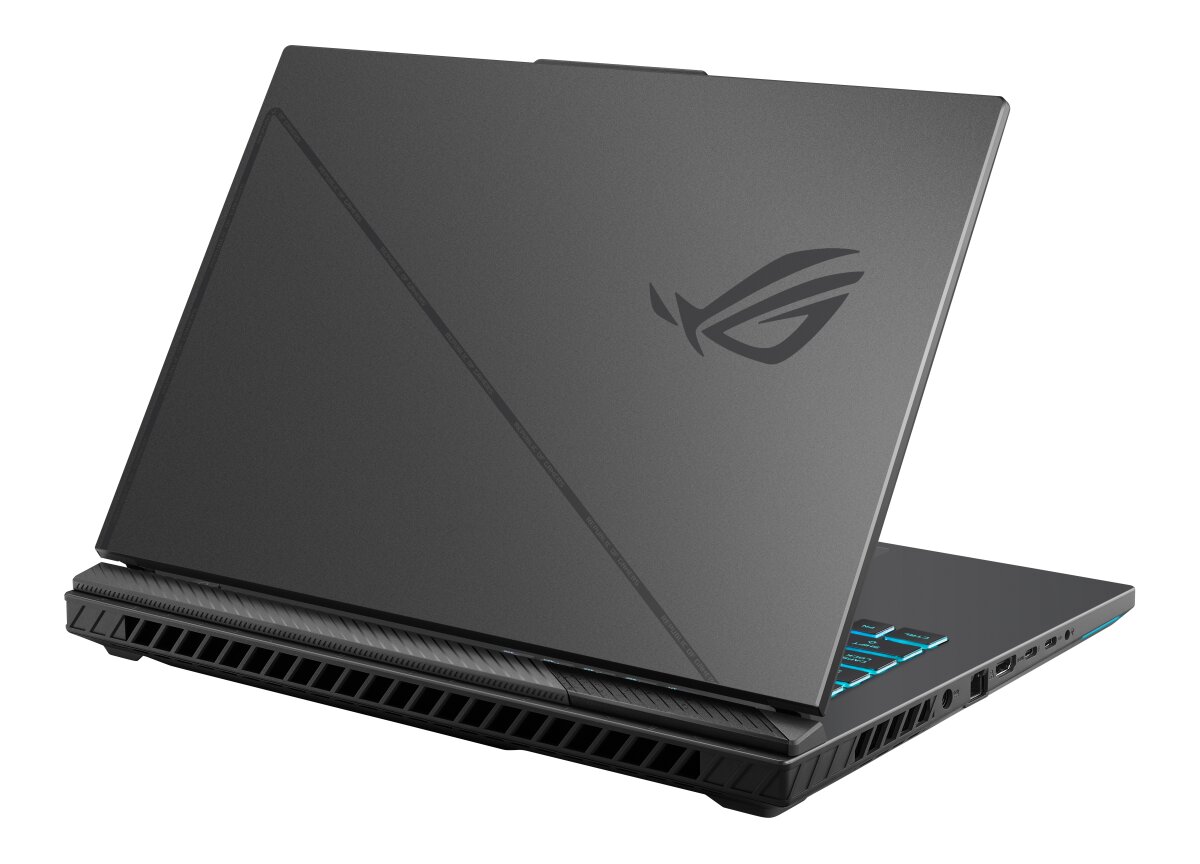
The ASUS ROG Strix G16 G614JV-N3211-GAMING gaming laptop features DDR5-SDRAM memory specifications. The system includes 2 SO-DIMM slots for RAM expansion, supporting a maximum capacity of 32 GB total memory. Compatible DDR5 modules operate at 4800 MHz frequency. Specifications indicate the laptop accommodates SO-DIMM form factor memory modules. Upgrade capacity and slot configuration enable users to expand system memory to the maximum supported specifications.
Memory Upgrade Specifications
| Specification | Value |
|---|---|
| Memory slots | 2x SO-DIMM |
| Form factor | SO-DIMM |
| Memory type | DDR5-SDRAM |
| Frequency | 4800 MHz |
| Maximum RAM | 32 GB |
| Voltage | 1.1V |
| Number of pins | 262-pin |
| Interface | PC5 |
| PC Speed Rating | PC5-4800 (PC5-38400) |
| Bandwidth | 38.4 GB/s |
Additional Notes
- The 2 SO-DIMM slot configuration in the ASUS ROG G614JV-N3211-GAMING permits only dual-channel memory architecture, eliminating quad-channel configurations available in desktop systems. This constraint fixes the bandwidth ceiling at DDR5 dual-channel throughput regardless of future CPU generations.
- DDR5-4800 MHz represents the JEDEC standard frequency floor for DDR5. Purchasing modules rated higher than 4800 MHz will downclock to this specification unless the laptop's BIOS unlocks non-standard voltage profiles, a feature rarely enabled in consumer gaming laptops and potentially outside manufacturer warranty boundaries.
- The 32 GB maximum capacity ceiling means each SO-DIMM slot accepts 16 GB modules at most. Upgrading beyond 32 GB requires hardware replacement rather than addition, as no 24 GB or larger single SO-DIMM modules exist in production.
- SO-DIMM form factor physically restricts module length to 67 mm, preventing insertion of standard UDIMM desktop memory even if slot compatibility existed. Attempting such installation causes mechanical obstruction and potential damage to both module and motherboard connector.
- Populating both SO-DIMM slots simultaneously activates dual-channel mode, doubling effective bandwidth compared to single-module operation. Running a 16 GB + 0 GB configuration leaves half the memory subsystem unutilized and degrades bandwidth-dependent gaming and content creation workload performance.
- DDR5 module compatibility hinges on strict voltage compliance and timing specification adherence. Modules binned for Intel platforms may exhibit stability issues on AMD-based systems within the same frequency tier due to differing VDDQ tolerance windows, necessitating platform-specific model verification before purchase.