ASUS ROG G614JV-N3452-Gaming RAM upgrade specifications
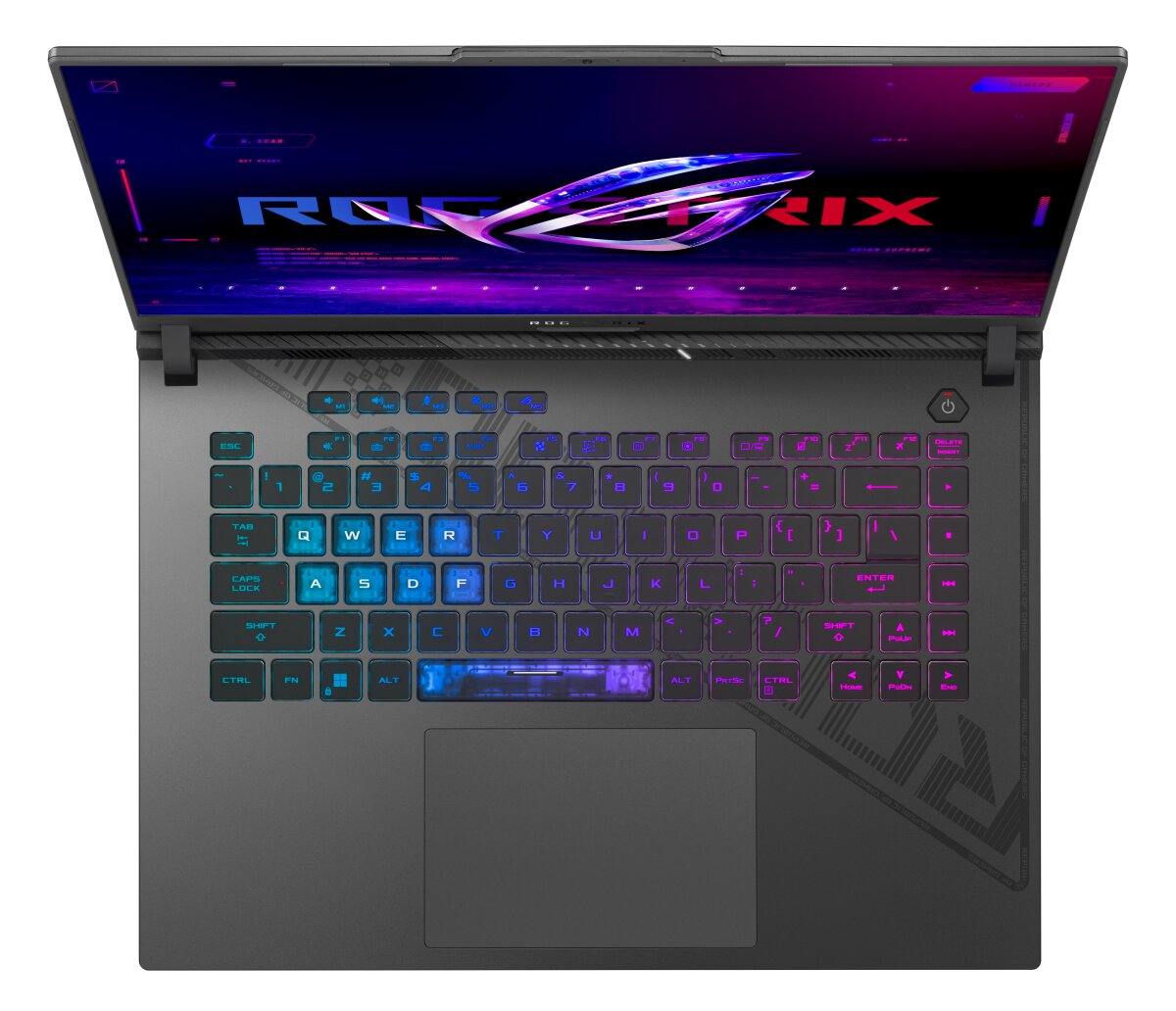

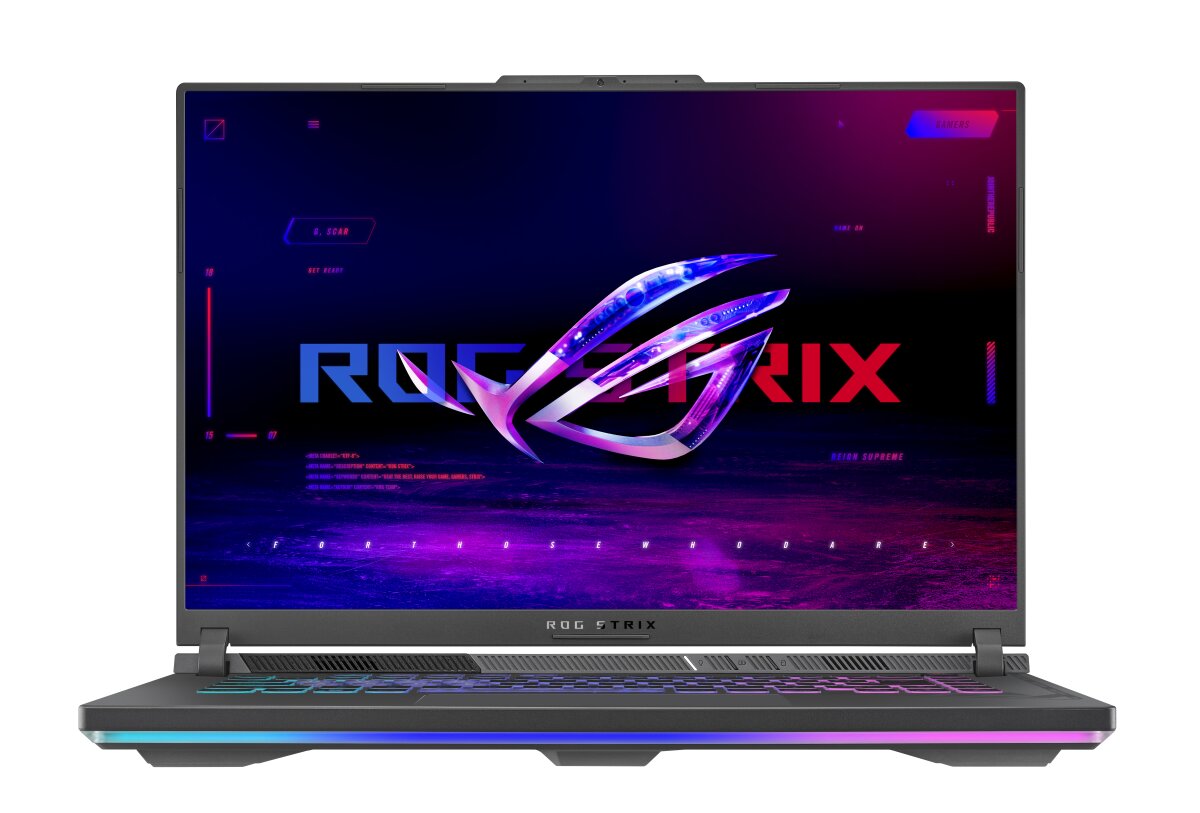

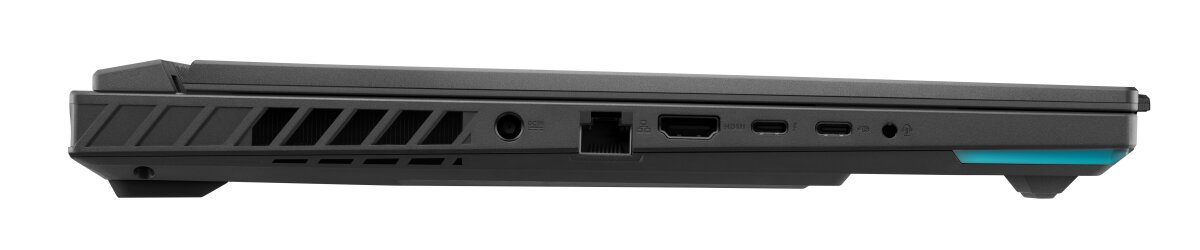
ASUS ROG Strix G16 G614JV-N3452-Gaming laptop memory upgrade specifications detail DDR5-SDRAM compatibility with two SO-DIMM slots supporting maximum RAM capacity of 32 GB. Upgrade specifications indicate DDR5-4800 MHz frequency compatibility. Compatible memory modules require SO-DIMM form factor designation. Maximum expandable memory capacity reaches 32 GB total across both available slots. Specifications confirm DDR5 memory technology as standard for RAM upgrades on this gaming laptop model.
Memory Upgrade Specifications
| Specification | Value |
|---|---|
| Memory slots | 2x SO-DIMM |
| Form factor | SO-DIMM |
| Memory type | DDR5-SDRAM |
| Frequency | 4800 MHz |
| Maximum RAM | 32 GB |
| Voltage | 1.1V |
| Number of pins | 262-pin |
| Interface | PC5 |
| PC Speed Rating | PC5-4800 (PC5-38400) |
| Bandwidth | 38.4 GB/s |
Additional Notes
- The ASUS ROG G614JV-N3452-Gaming contains 2 SO-DIMM slots with a 32 GB aggregate ceiling, meaning single-module upgrades beyond 16 GB require replacing both existing modules rather than adding a third or fourth stick.
- DDR5-4800 MHz memory operates at mobile-class latencies and voltage specifications (typically 1.1V nominal). Standard desktop DDR5 modules rated for 1.25V will not function in this laptop without BIOS modification, creating a practical compatibility wall for repurposing common PC components.
- The 2-slot architecture with a 32 GB maximum creates a hard performance ceiling for workloads requiring more than 32 GB of addressable RAM, such as large-dataset machine learning, 4K video editing with nested effects, or virtual machine hosting. This constraint cannot be resolved through additional slots.
- SO-DIMM form factor modules occupy roughly one-third the PCB footprint of full-size DIMMs, limiting heatspreader options. Memory operating at 4800 MHz generates thermal load that may exceed passive cooling capacity if the laptop operates in enclosed spaces or ambient temperatures exceed 28 degrees Celsius.
- Upgrading from the factory configuration to the 32 GB maximum requires identical module pairs due to the 2-slot design. Mismatched module speeds or capacities will default the memory controller to the lower specification, negating performance gains from higher-frequency modules.
- Laptop SO-DIMM slots typically employ friction-fit retention rather than latch mechanisms. Repeated insertion and removal cycles can degrade contact compliance, potentially voiding the upgrade coverage under manufacturer warranty if module reseating becomes necessary after 12 months.