ASUS ROG G614JV-N3456-GAMING RAM upgrade specifications


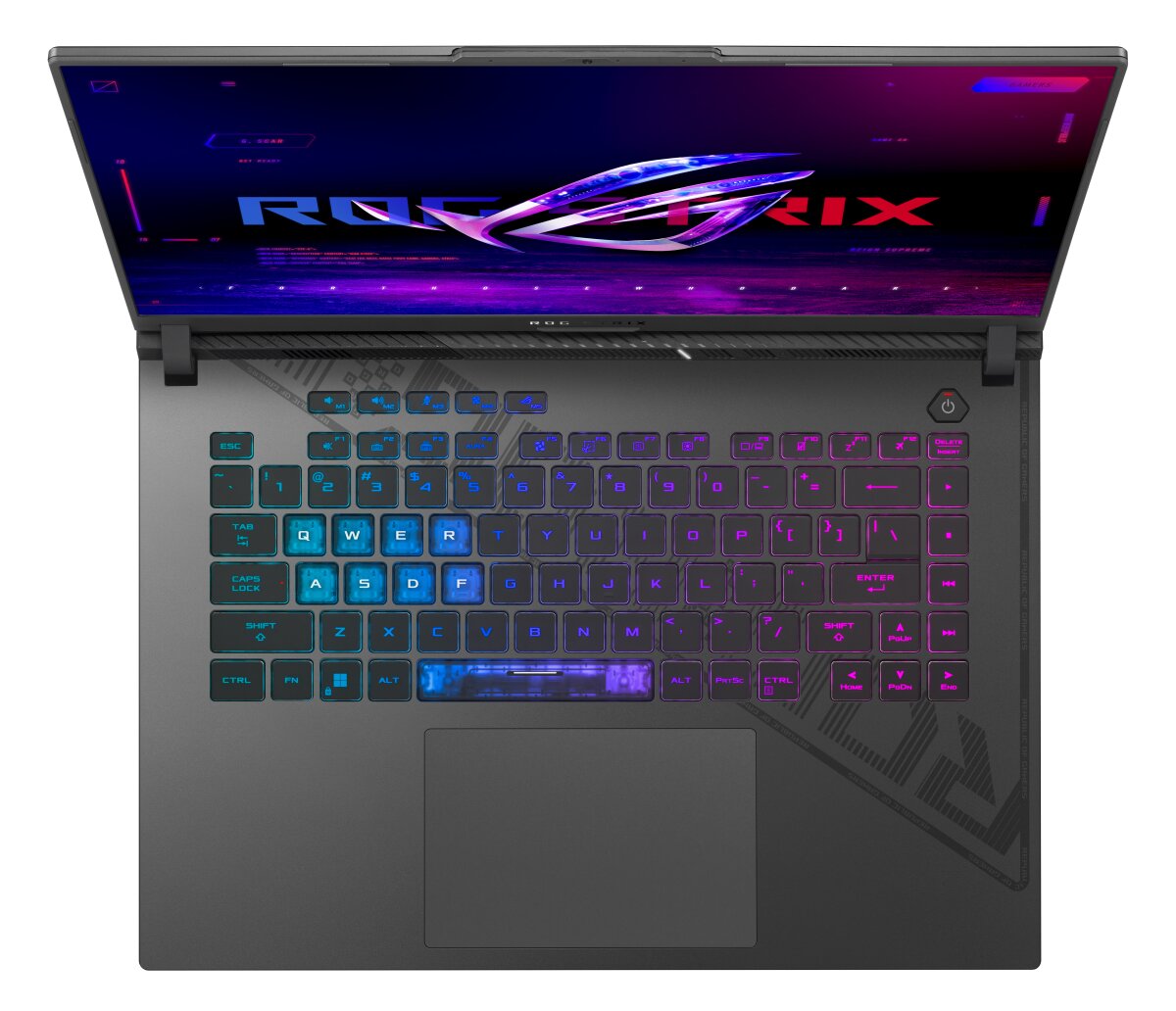
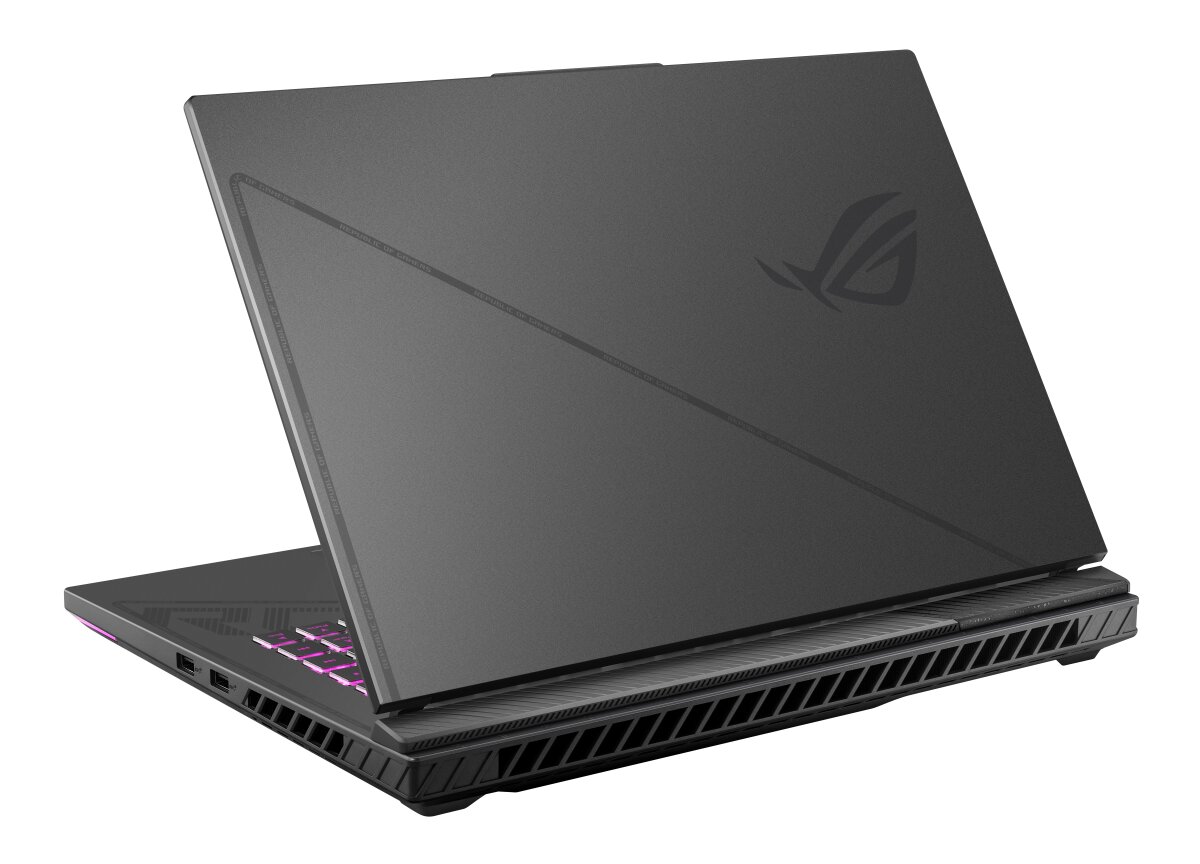
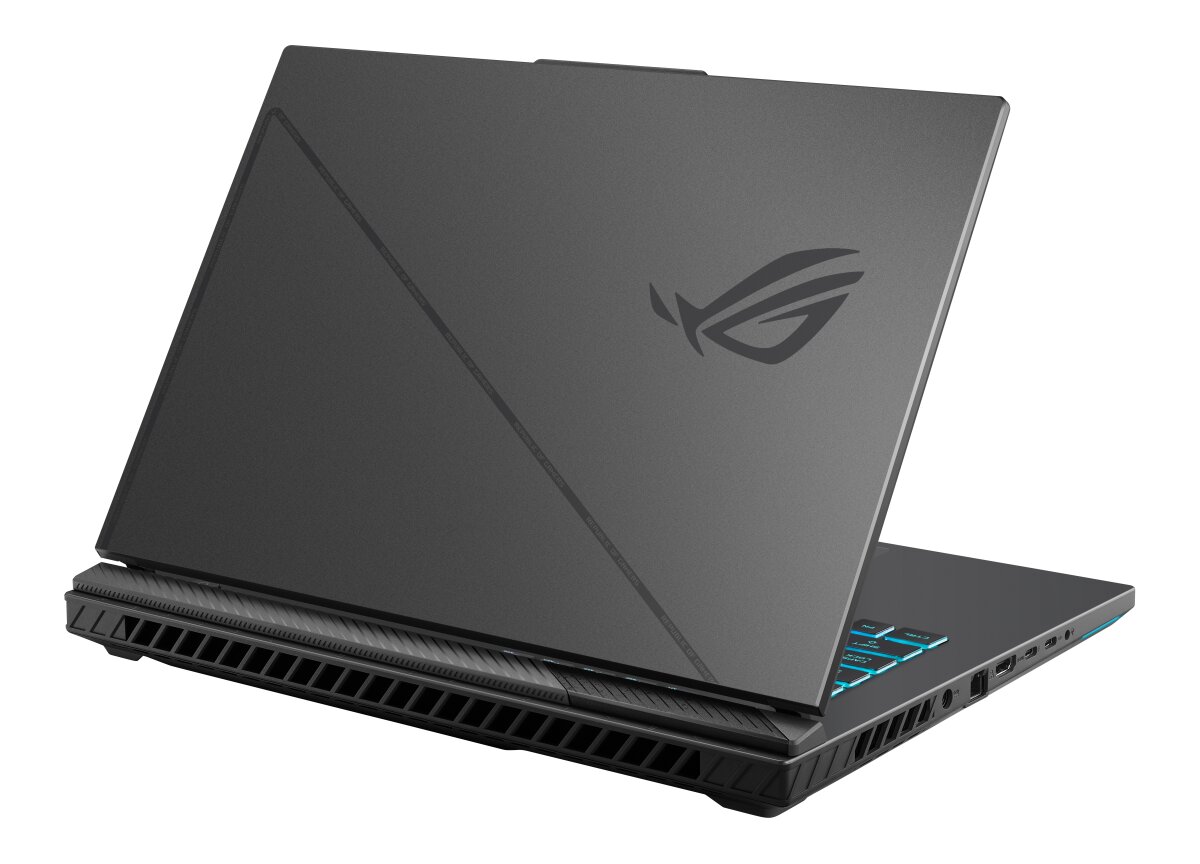
The ASUS ROG Strix G16 G614JV-N3456-GAMING laptop features DDR5-SDRAM memory upgrade capabilities with two SO-DIMM slots supporting maximum RAM capacity of 32 GB. Compatible memory modules operate at 4800 MHz frequency specifications. The upgrade configuration allows users to expand system memory through dual SO-DIMM slots, enabling enhanced multitasking and gaming performance through increased RAM capacity.
Memory Upgrade Specifications
| Specification | Value |
|---|---|
| Memory slots | 2x SO-DIMM |
| Form factor | SO-DIMM |
| Memory type | DDR5-SDRAM |
| Frequency | 4800 MHz |
| Maximum RAM | 32 GB |
| Voltage | 1.1V |
| Number of pins | 262-pin |
| Interface | PC5 |
| PC Speed Rating | PC5-4800 (PC5-38400) |
| Bandwidth | 38.4 GB/s |
Additional Notes
- The ASUS ROG G614JV-N3456-GAMING uses SO-DIMM slots, which are laptop-specific modules that cannot be used interchangeably with desktop DDR5 DIMMs. Third-party retailers often misclassify or mislabel SO-DIMM inventory, requiring verification of form factor before purchase to prevent incompatible orders.
- DDR5-4800 MHz memory operates at a significantly higher latency cycle than DDR4 alternatives found in prior generation gaming laptops. This frequency floor means slower or older DDR5 modules (3200 MHz, 4400 MHz) will either fail to initialize or downclock to lower speeds, reducing bandwidth efficiency in sustained rendering or streaming scenarios.
- The 2-slot configuration creates a hard ceiling at 32 GB total capacity. Upgrading requires complete module replacement rather than additive expansion, making single-module purchases economically inefficient compared to matched pairs.
- SO-DIMM modules generate higher thermal density relative to desktop equivalents due to compact construction. Thermal pads on DDR5 SO-DIMMs may not make contact with the system's internal heatspreader if the chassis lacks precision clearance tolerances, resulting in thermal throttling during memory-intensive gaming sessions or content creation workflows.
- JEDEC standard compliance for DDR5-4800 modules is not universal across manufacturers. Laptop OEM memory qualification lists typically whitelist specific part numbers; modules outside the approved list may exhibit stability issues or trigger firmware-level memory validation failures on first boot.
- Removal and reinstallation of SO-DIMM modules require horizontal lever release rather than vertical insertion methods. Improper reinsertion technique creates risk of contact corrosion or seating failure within the socket, potentially requiring motherboard-level service to restore functionality.