ASUS ROG G614JZ-N3006W-GAMING RAM upgrade specifications

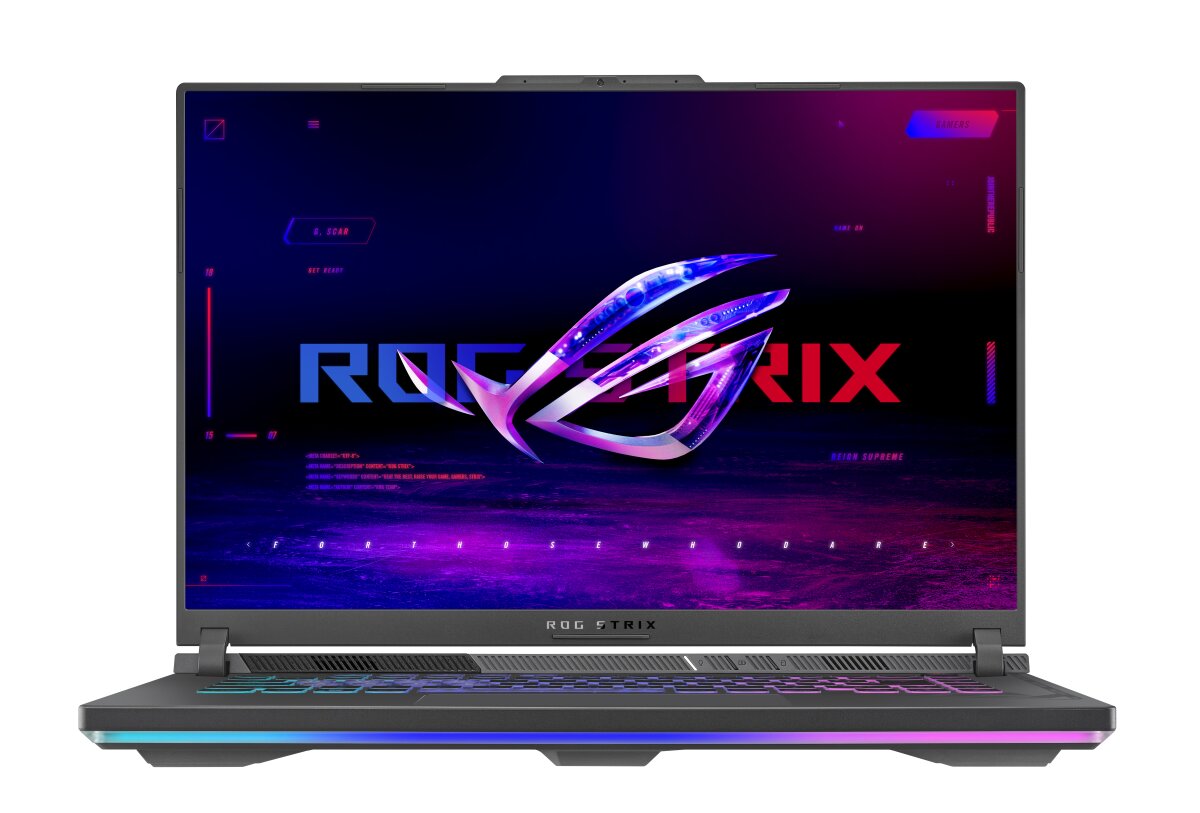
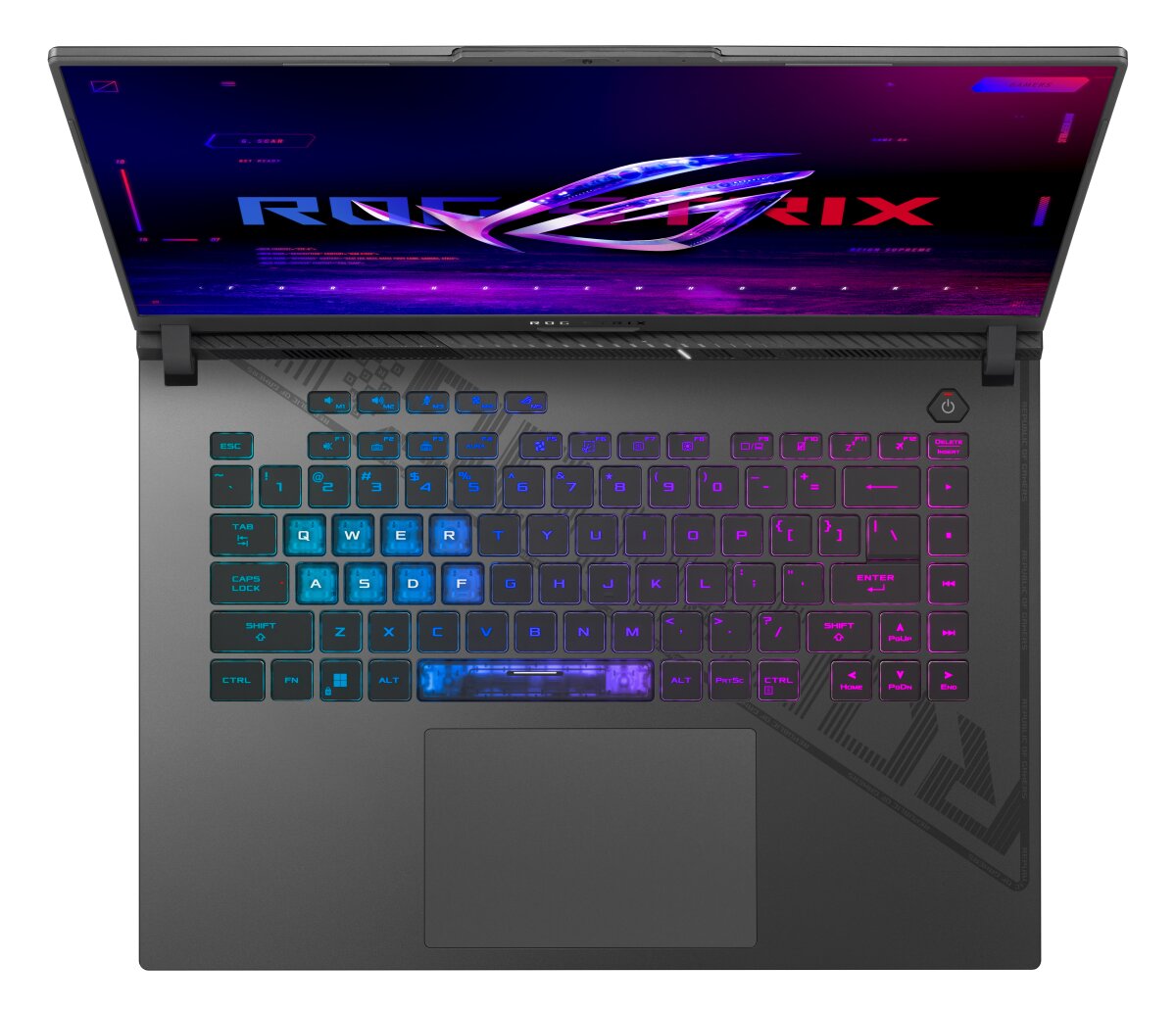
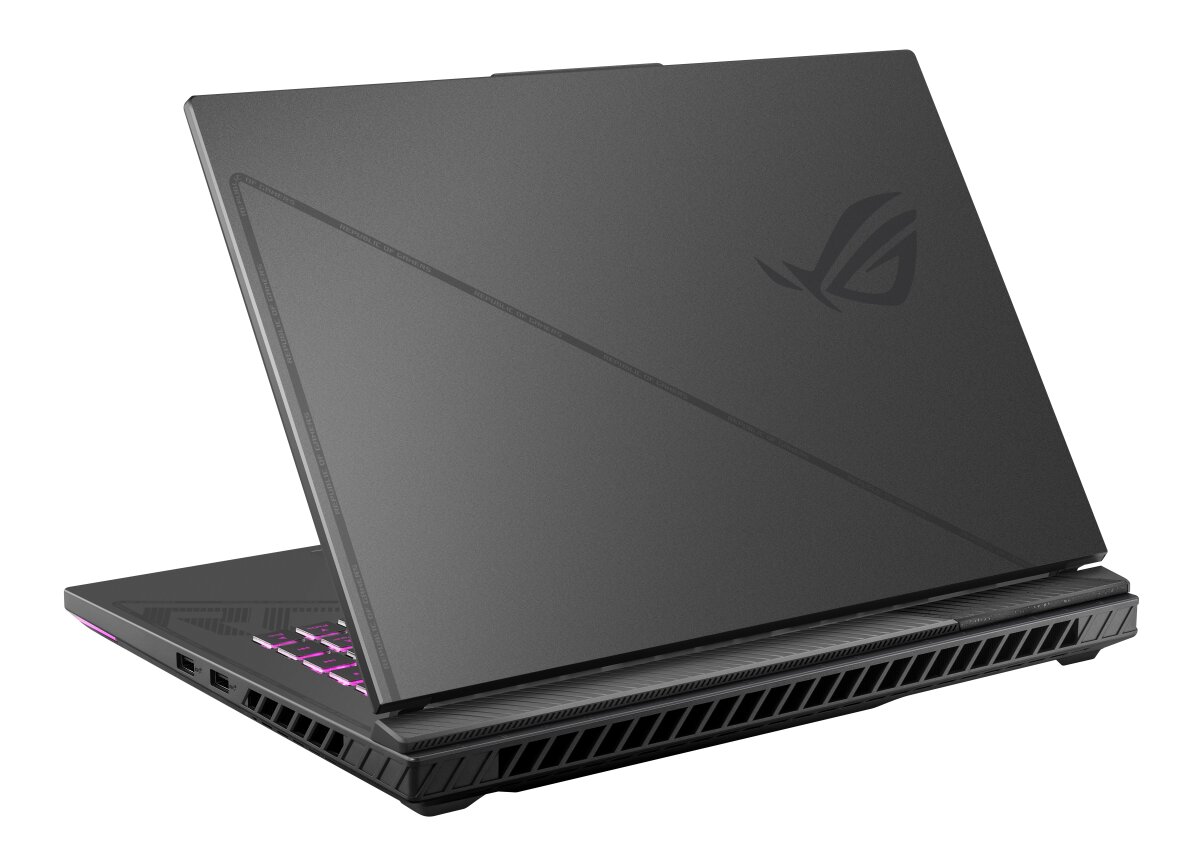
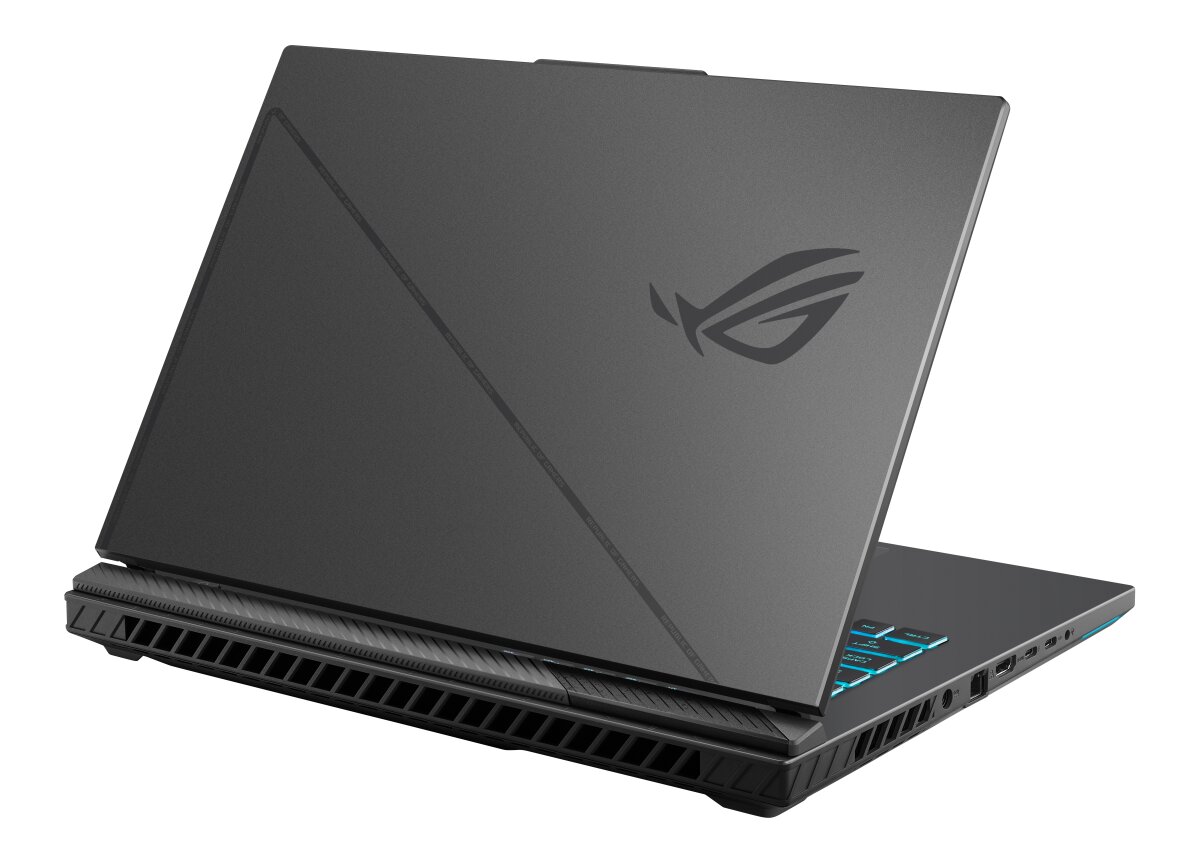
ASUS ROG Strix G16 model G614JZ-N3006W-GAMING supports DDR5-SDRAM memory upgrades through two SO-DIMM slots. Maximum compatible RAM capacity reaches 32 GB total. Memory specifications include DDR5-SDRAM form factor operating at 4800 MHz frequency. Upgrade configurations allow installation of compatible DDR5 modules in both available slots to achieve maximum memory capacity and enhanced system performance for gaming applications.
Memory Upgrade Specifications
| Specification | Value |
|---|---|
| Memory slots | 2x SO-DIMM |
| Form factor | SO-DIMM |
| Memory type | DDR5-SDRAM |
| Frequency | 4800 MHz |
| Maximum RAM | 32 GB |
| Voltage | 1.1V |
| Number of pins | 262-pin |
| Interface | PC5 |
| PC Speed Rating | PC5-4800 (PC5-38400) |
| Bandwidth | 38.4 GB/s |
Additional Notes
- The 32 GB memory ceiling restricts professional workloads requiring larger datasets, such as virtual machine clusters or large-scale 3D rendering projects.
- DDR5 modules operate at higher voltage tolerances than DDR4, necessitating verification that replacement modules meet JEDEC specifications to prevent thermal throttling.
- The 4800 MHz base frequency represents DDR5's entry-level speed tier, leaving headroom for modules rated at 5200 MHz or 5600 MHz if the chipset supports XMP 3.0 profiles.
- SO-DIMM slots in gaming chassis typically position beneath keyboard assemblies or bottom panels, requiring partial disassembly that may involve ribbon cable disconnection.
- The dual-channel configuration demands matched module pairs for optimal bandwidth utilization, as mismatched capacities force the controller into asymmetric or single-channel mode.
- Non-ECC unbuffered modules remain the only compatible option, as SO-DIMM form factors in consumer platforms lack support for error-correction logic.
- Mixing modules with different IC manufacturers or die revisions can introduce instability at advertised frequencies, requiring manual timing adjustments in firmware.
- The ASUS ROG G614JZ-N3006W-GAMING platform benefits from DDR5's improved bank grouping architecture, reducing latency penalties during simultaneous read-write operations compared to previous generation memory.
- Factory-installed modules likely use on-die ECC, an internal error correction feature distinct from traditional ECC that remains invisible to the operating system.
- Thermal considerations become relevant above 32 GB configurations attempted through unofficial means, as power delivery circuits calibrate for manufacturer-specified capacities.
- Warranty preservation requires avoiding physical damage to retention clips, which apply significant lateral pressure during module extraction and can fracture if forced at incorrect angles.