ASUS ROG G614JZ-N3006W RAM upgrade specifications



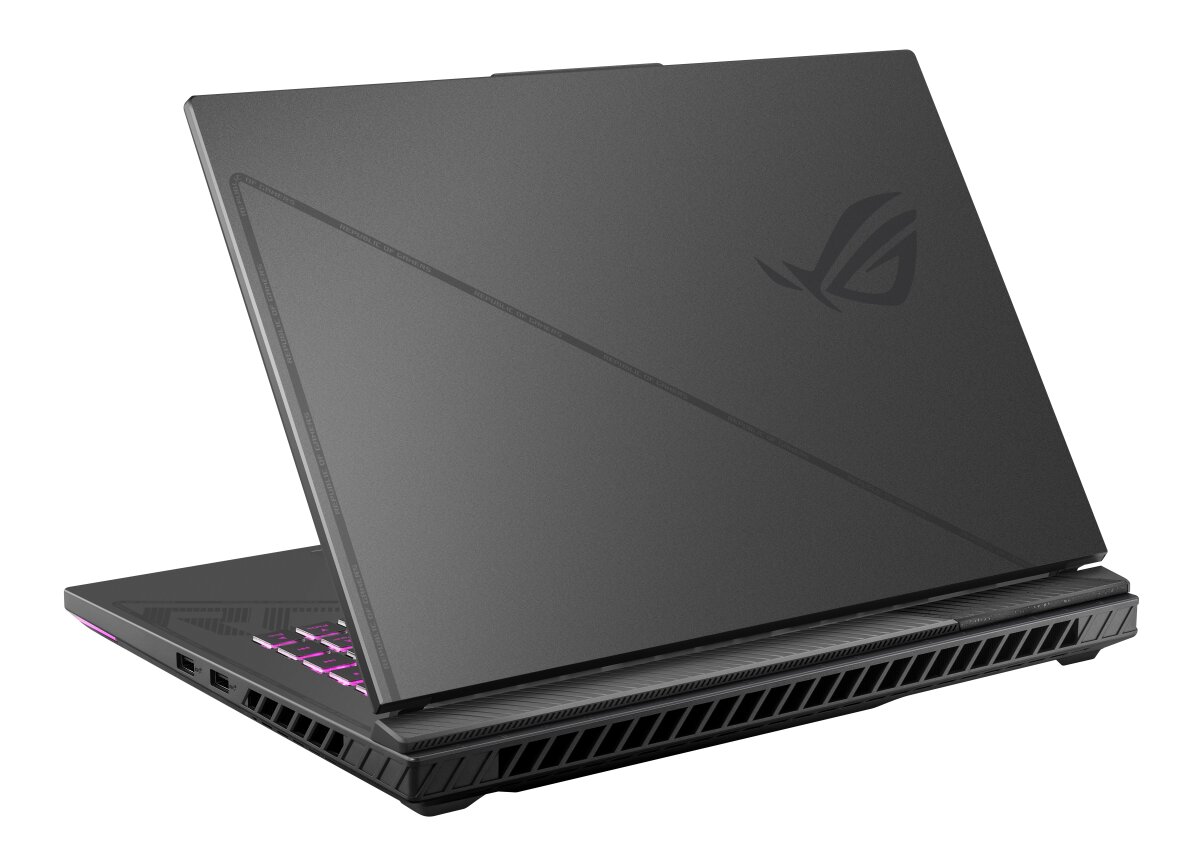
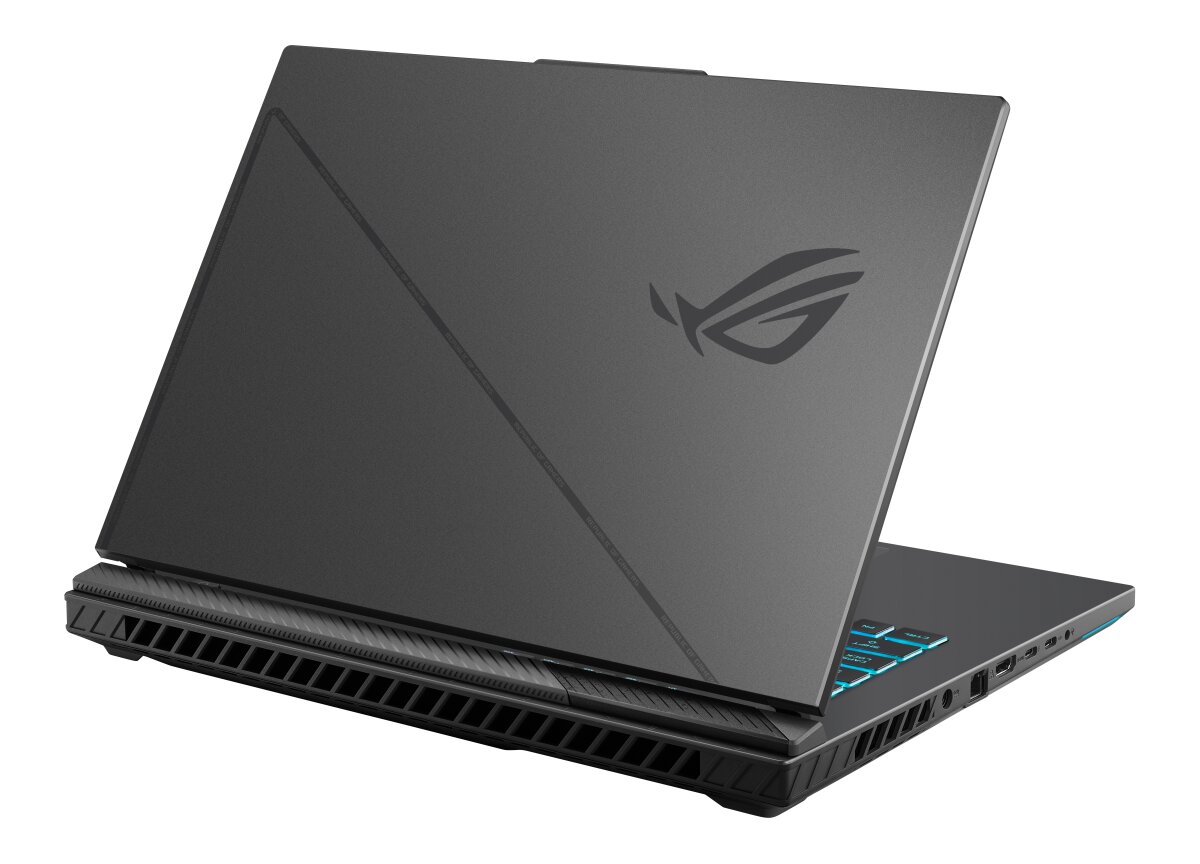
ASUS ROG Strix G16 model G614JZ-N3006W features DDR5-SDRAM memory upgrade specifications with two SO-DIMM slots supporting maximum capacity of 32 GB RAM. Compatible memory operates at 4800 MHz frequency with SO-DIMM form factor. Upgrade specifications enable system memory expansion to support enhanced multitasking and gaming performance requirements.
Memory Upgrade Specifications
| Specification | Value |
|---|---|
| Memory slots | 2x SO-DIMM |
| Form factor | SO-DIMM |
| Memory type | DDR5-SDRAM |
| Frequency | 4800 MHz |
| Maximum RAM | 32 GB |
| Voltage | 1.1V |
| Number of pins | 262-pin |
| Interface | PC5 |
| PC Speed Rating | PC5-4800 (PC5-38400) |
| Bandwidth | 38.4 GB/s |
| Laptop Release date | 14 April 2023 |
Additional Notes
- The ASUS ROG G614JZ-N3006W implements a 32 GB ceiling that requires balanced configuration across both slots when maximizing capacity, as single-slot operation would leave half the available channels unused.
- DDR5 SO-DIMM modules operating at 4800 MHz deliver 38.4 GB/s theoretical bandwidth per channel, though actual throughput depends on memory controller efficiency and thermal conditions under sustained workloads.
- Modules exceeding the 4800 MHz specification may downclock automatically to match the supported frequency, rendering premium-priced high-speed kits functionally equivalent to standard-rated alternatives in this configuration.
- SO-DIMM installation typically requires removal of the bottom panel assembly, with some implementations positioning memory beneath heat shields or adjacent to cooling components that necessitate thermal pad preservation during replacement.
- Mixing modules with different densities or timings across the 2 slots can force operation at the lowest common specification, potentially degrading performance below the rated 4800 MHz standard.
- DDR5 architecture incorporates on-die ECC functionality distinct from traditional server-grade error correction, providing background data integrity without requiring specific module selection for consumer platforms.
- The 2-slot configuration limits upgrade paths to complete replacements rather than incremental additions once both positions are populated with factory-installed modules.
- Voltage specifications for DDR5 operate at 1.1V nominal compared to DDR4's 1.2V standard, though compatibility requires strict adherence to SO-DIMM keying to prevent physically incompatible module insertion.
- Warranty preservation typically permits user-accessible memory upgrades without seal breakage, though verification of manufacturer policies specific to this model remains advisable before disassembly.
- Thermal performance of DDR5 modules varies between manufacturers due to differing IC quality and PCB layout, with sustained transfers potentially triggering thermal throttling in enclosed laptop environments lacking active memory cooling.