ASUS ROG G614JZ-N3007W RAM upgrade specifications
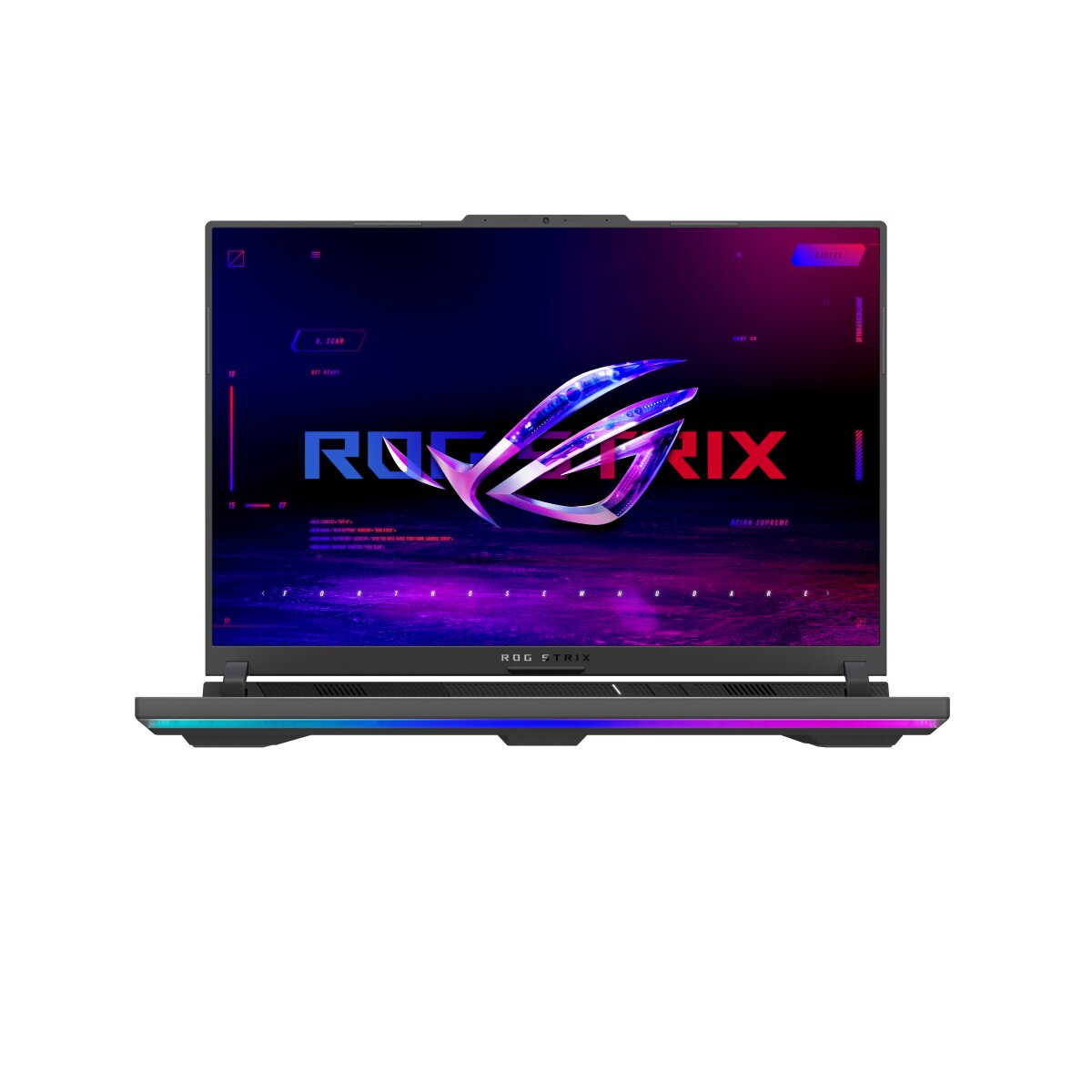




ASUS ROG Strix G16 model G614JZ-N3007W supports DDR5-SDRAM memory upgrades via two SO-DIMM slots. Maximum RAM capacity reaches 32 GB total, with compatible modules operating at 4800 MHz frequency. Specifications indicate SO-DIMM form factor memory modules are required for upgrade compatibility. Current memory configuration and available upgrade capacity depend on existing installed RAM in the two available slots.
Memory Upgrade Specifications
| Specification | Value |
|---|---|
| Memory slots | 2x SO-DIMM |
| Form factor | SO-DIMM |
| Memory type | DDR5-SDRAM |
| Frequency | 4800 MHz |
| Maximum RAM | 32 GB |
| Voltage | 1.1V |
| Number of pins | 262-pin |
| Interface | PC5 |
| PC Speed Rating | PC5-4800 (PC5-38400) |
| Bandwidth | 38.4 GB/s |
| Laptop Release date | 07 February 2023 |
Additional Notes
- The ASUS ROG G614JZ-N3007W contains 2 SO-DIMM slots that function in dual-channel configuration, meaning memory upgrades must occur in matched pairs to achieve rated bandwidth specifications.
- DDR5-4800 memory operates at double the data rate of DDR4, requiring power delivery integrated into the module itself. This eliminates compatibility with any DDR4 memory variants regardless of form factor matching.
- Upgrading beyond the stock configuration to the 32 GB ceiling requires replacement rather than addition of existing modules, as the 2-slot architecture provides no expansion capacity beyond maximum configuration.
- The 4800 MHz frequency specification represents JEDEC standard timing for this generation. Modules rated above this threshold will operate at 4800 MHz without overclocking capability in this system, negating performance gains from premium pricing.
- SO-DIMM physical dimensions (67.6 x 32 mm) limit clearance inside the chassis. Certain memory modules with tall heatspreader profiles or thermal solutions may require removal of internal components adjacent to the memory slots for installation.
- Single-module configurations in a 2-slot SO-DIMM system will disable dual-channel operation, reducing effective bandwidth by approximately 50 percent and creating measurable performance degradation in bandwidth-intensive workloads.
- Warranty coverage for memory upgrades typically remains valid when using modules meeting manufacturer specifications. OEM documentation should be consulted for approved vendor lists, as some manufacturers restrict warranty claims to specific memory partners.