ASUS ROG G614JZ-N3038 RAM upgrade specifications


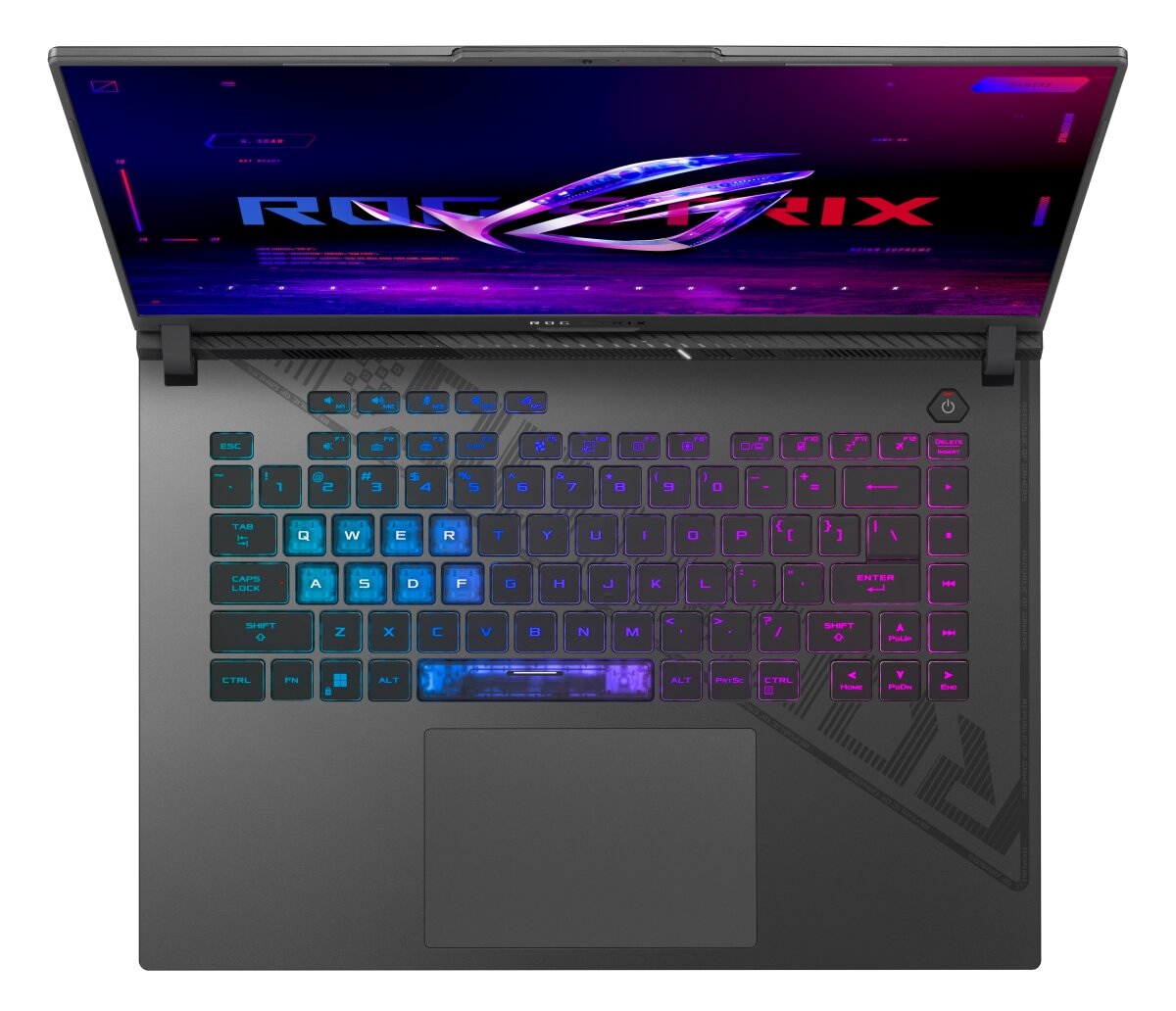
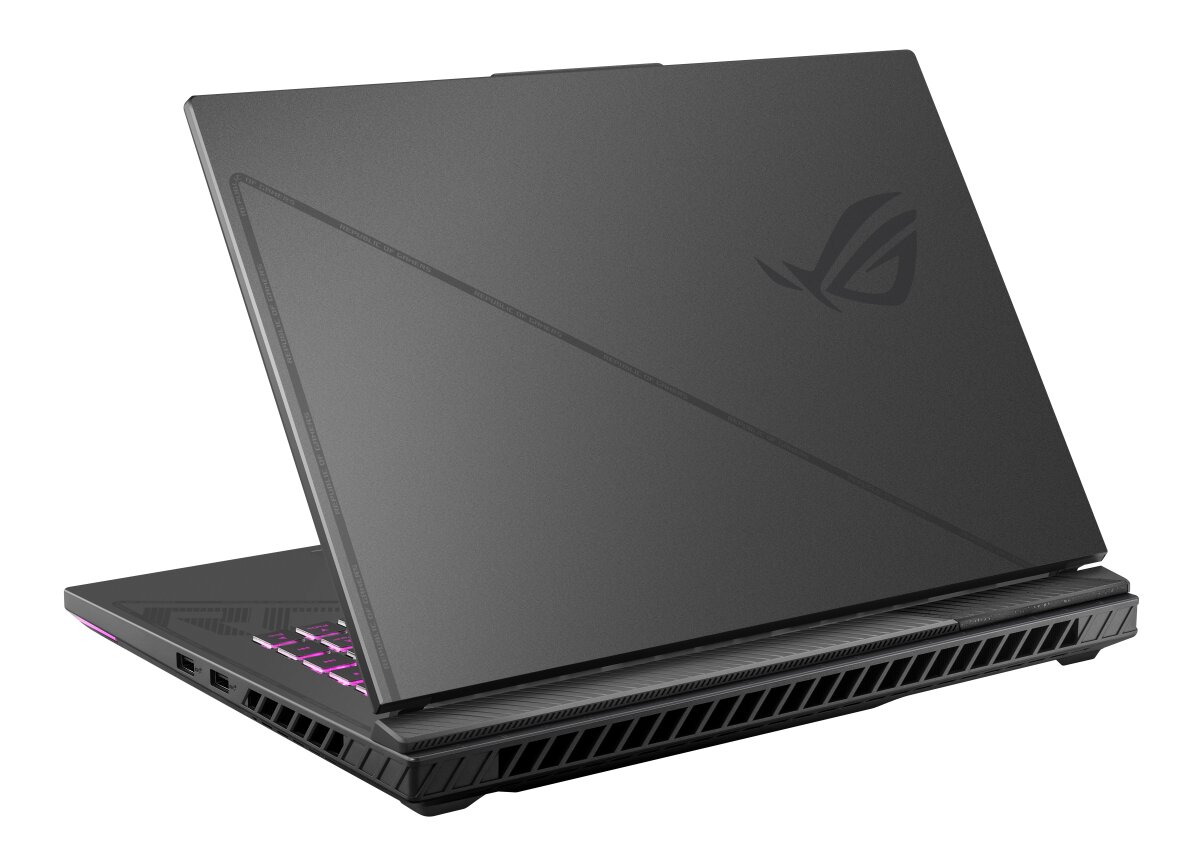
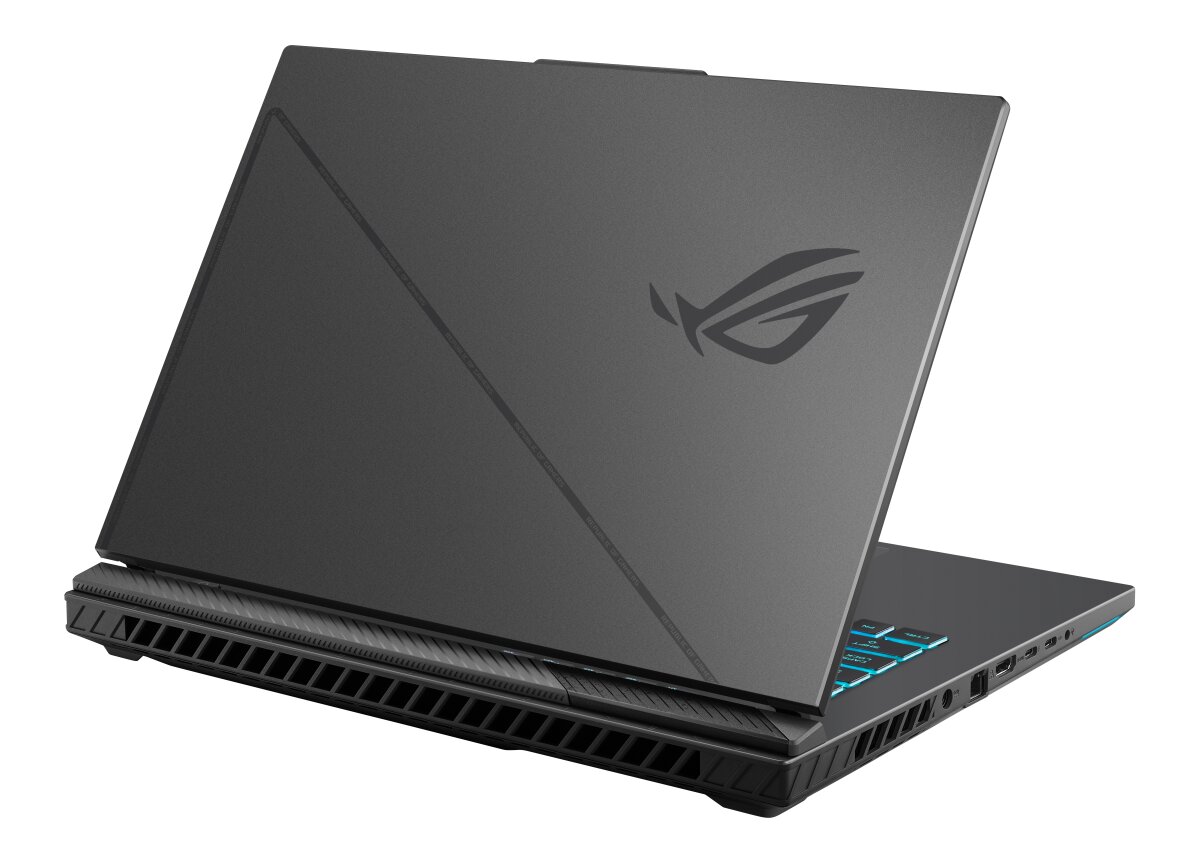
The ASUS ROG Strix G16 G614JZ-N3038 laptop features DDR5-SDRAM memory upgrade specifications. The system accommodates 2x SO-DIMM slots supporting a maximum RAM capacity of 32 GB. Compatible memory modules operate at 4800 MHz frequency. Upgrade options allow installation of DDR5 SO-DIMM memory to enhance system performance and multitasking capabilities. The specifications define the memory upgrade compatibility and capacity limitations for this gaming laptop model.
Memory Upgrade Specifications
| Specification | Value |
|---|---|
| Memory slots | 2x SO-DIMM |
| Form factor | SO-DIMM |
| Memory type | DDR5-SDRAM |
| Frequency | 4800 MHz |
| Maximum RAM | 32 GB |
| Voltage | 1.1V |
| Number of pins | 262-pin |
| Interface | PC5 |
| PC Speed Rating | PC5-4800 (PC5-38400) |
| Bandwidth | 38.4 GB/s |
| Laptop Release date | 25 March 2023 |
Additional Notes
- The ASUS ROG G614JZ-N3038 requires DDR5 SO-DIMM modules, eliminating compatibility with DDR4 or any previous generation memory due to physical notch differences and voltage requirements.
- The 32 GB ceiling indicates chipset or firmware limitations that prevent recognition of higher capacity modules, even if physically installed.
- Dual SO-DIMM configuration enables dual-channel operation when matching modules are installed, doubling theoretical memory bandwidth compared to single-channel setups.
- 4800 MHz represents JEDEC standard speed for DDR5, meaning faster rated modules will downclock to this frequency unless XMP/EXPO profiles are supported and enabled in BIOS.
- SO-DIMM form factor confirms laptop-specific memory requirements, preventing use of standard desktop DIMM modules regardless of specification matching.
- Maximum capacity of 32 GB suggests 2x16 GB module pairing as the highest supported configuration, with individual modules exceeding 16 GB per slot likely rejected during POST.
- DDR5 technology requires on-die ECC and power management integrated into the modules themselves, differentiating installation behavior from DDR4 predecessors.
- The 4800 MHz specification sets minimum bandwidth at 38.4 GB/s per channel in dual-channel mode, though real-world performance depends on latency timings not specified here.
- Mixing modules with different speeds will force all installed memory to operate at the lowest common frequency, potentially underutilizing faster modules.
- Warranty preservation typically requires avoiding modules exceeding the 32 GB total or operating voltages outside DDR5 standard range of 1.1V.