ASUS ROG G614JZ-N3040 RAM upgrade specifications
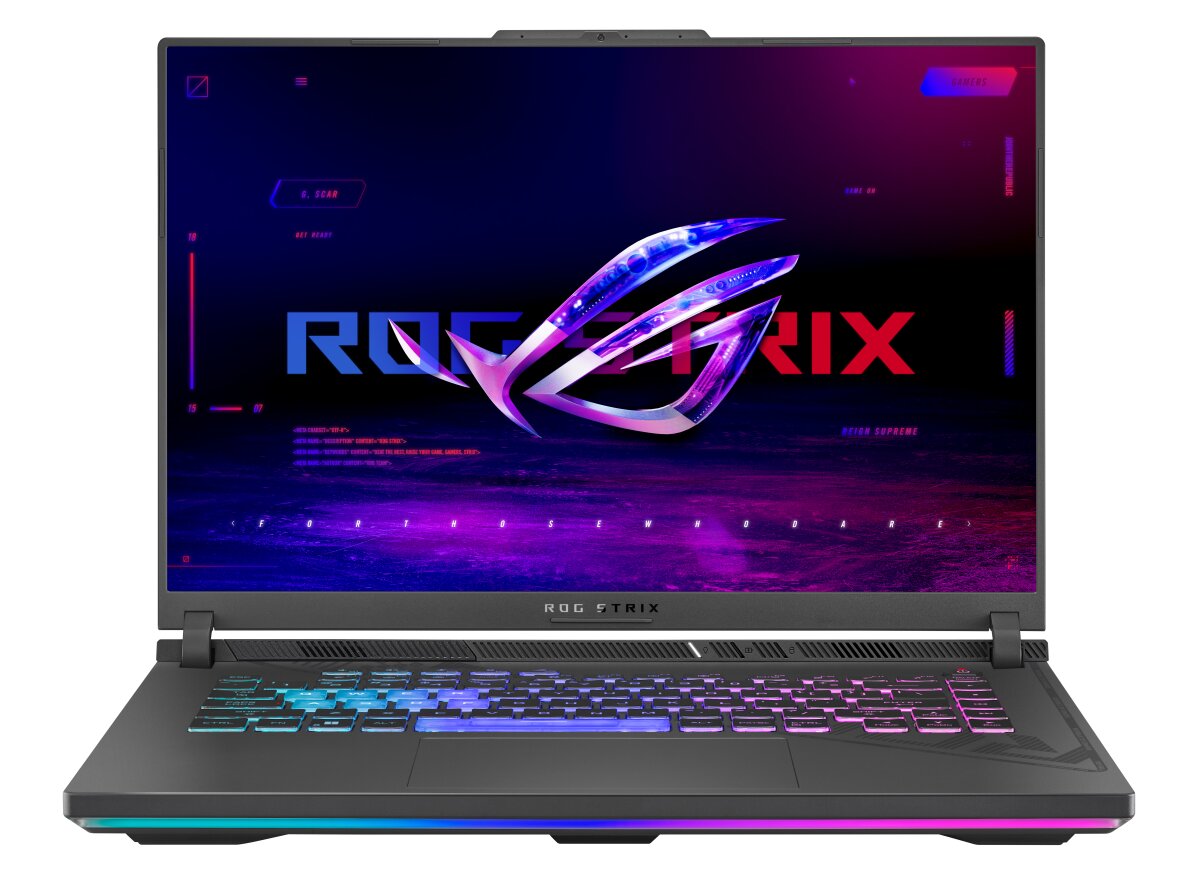
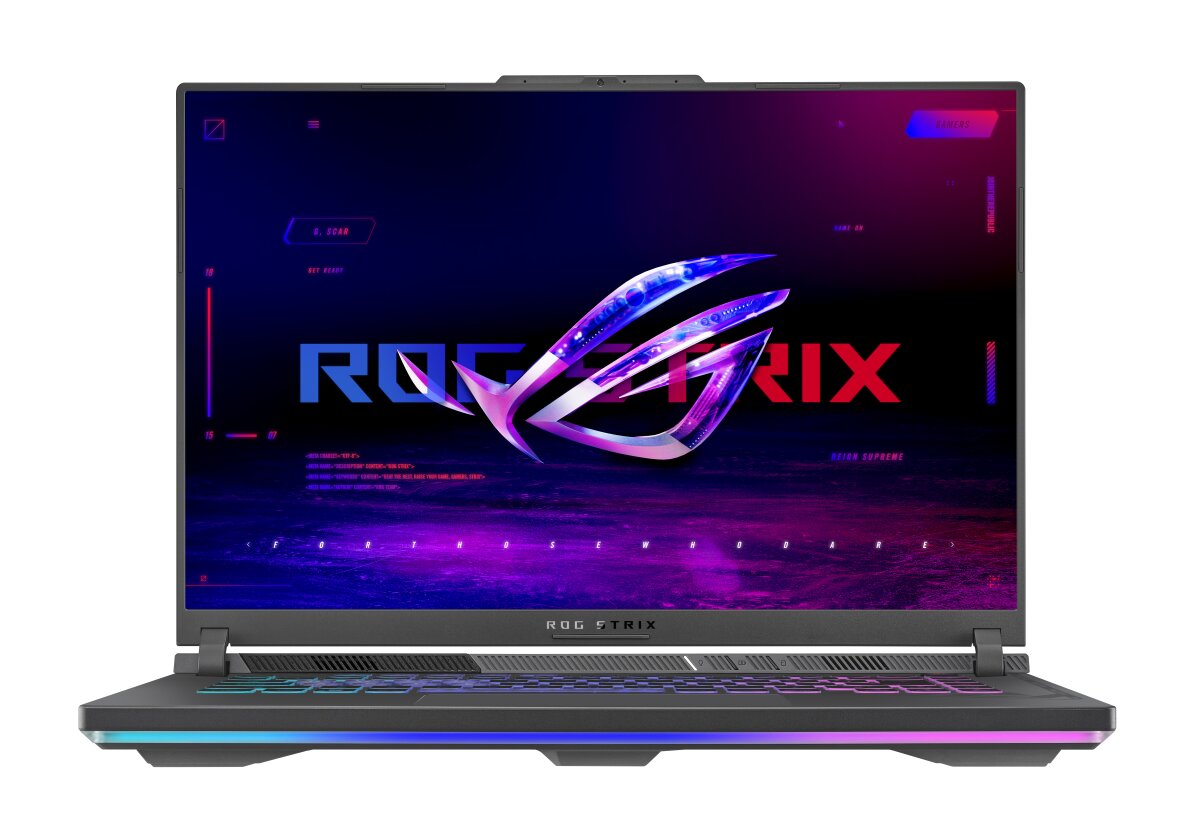
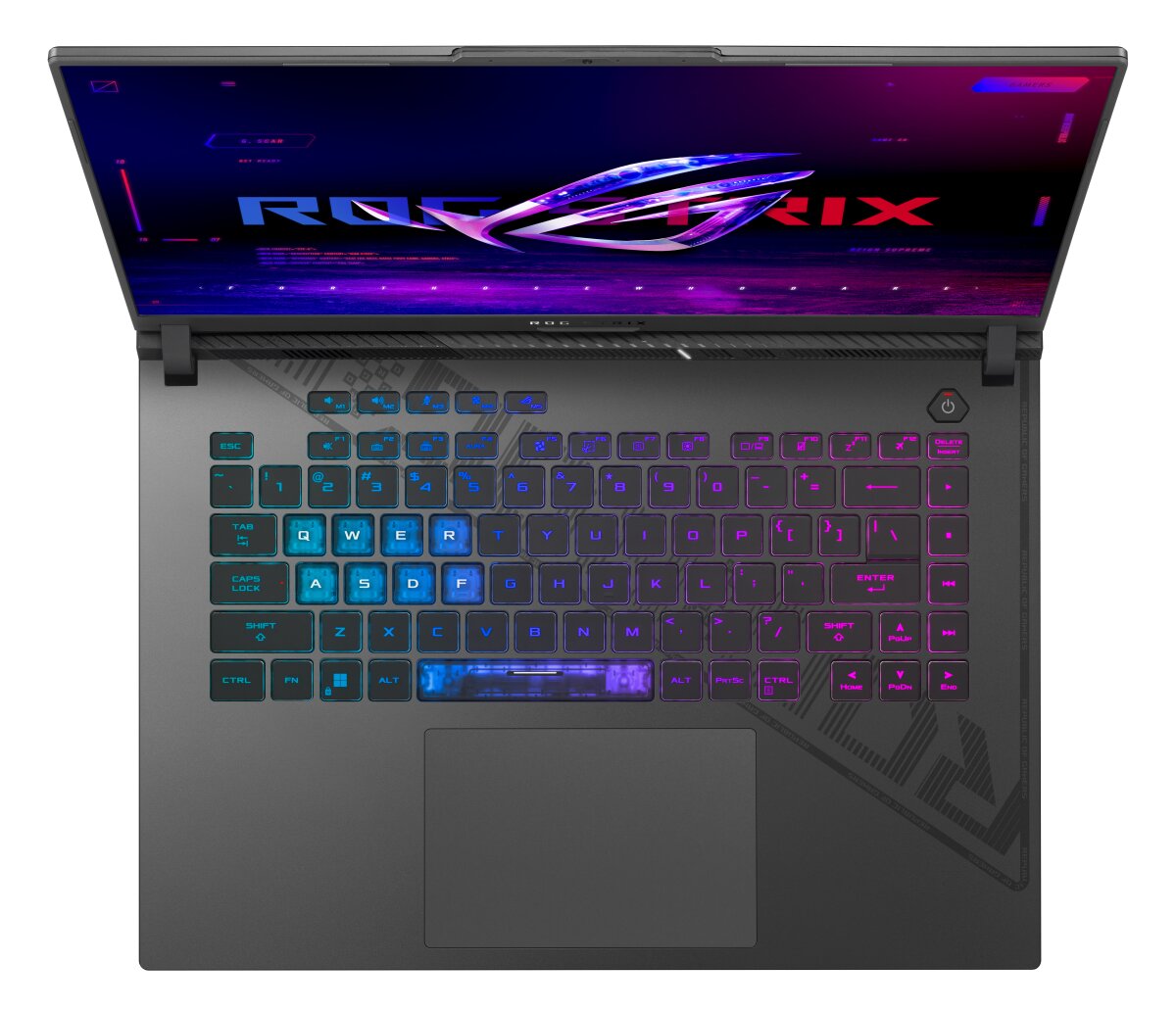
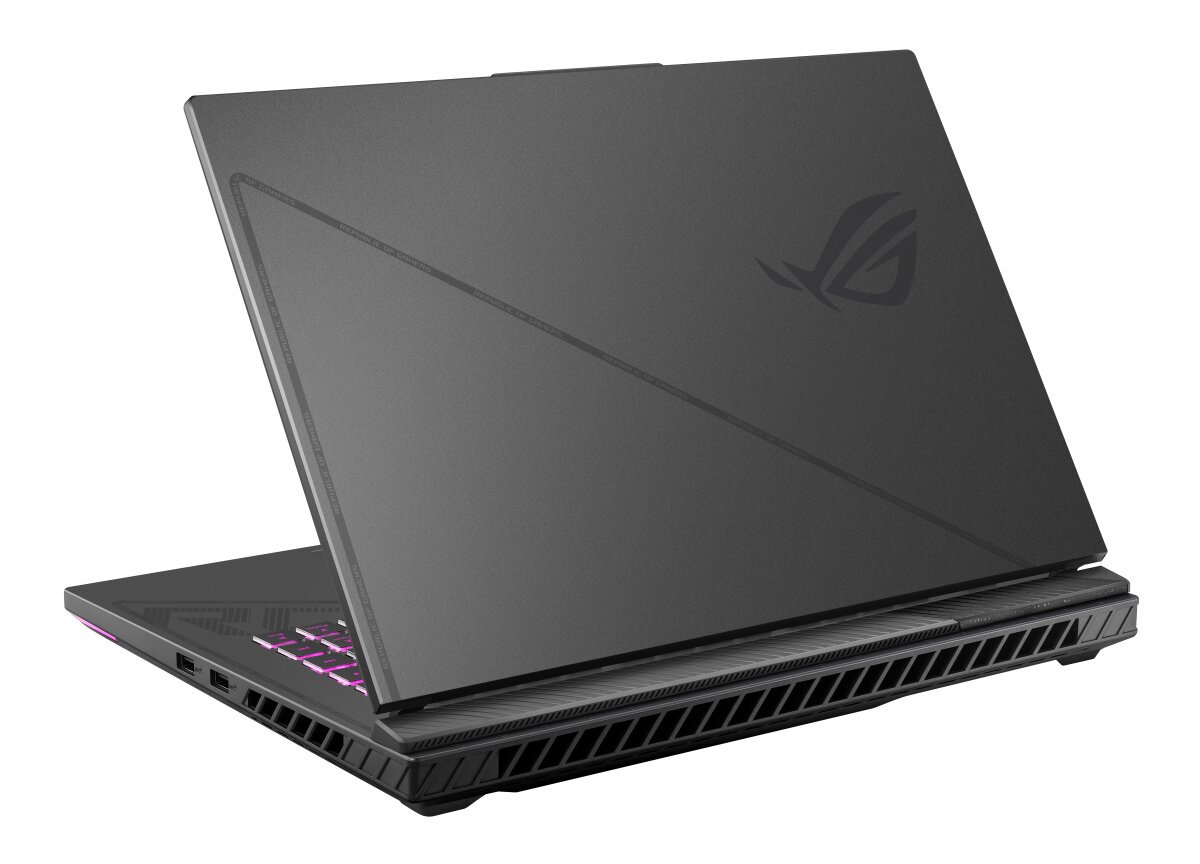
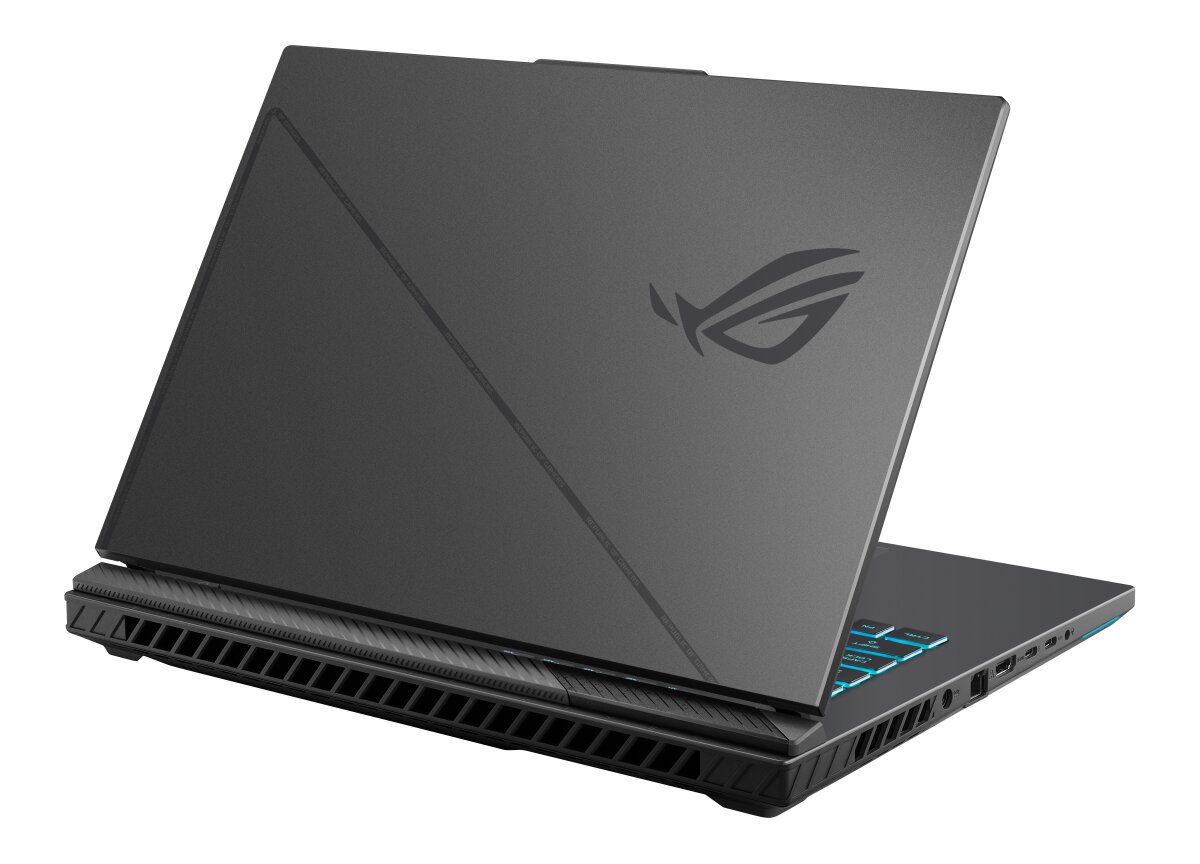
The ASUS ROG Strix G16 G614JZ-N3040 laptop features DDR5-SDRAM memory upgrade specifications. The system contains two SO-DIMM memory slots supporting a maximum RAM capacity of 32 GB total. Compatible memory modules operate at 4800 MHz frequency and utilize the SO-DIMM form factor. The upgrade specifications enable users to install compatible DDR5 memory to expand system memory capacity for enhanced performance. Maximum supported memory configuration provides 32 GB capacity across the available slots.
Memory Upgrade Specifications
| Specification | Value |
|---|---|
| Memory slots | 2x SO-DIMM |
| Form factor | SO-DIMM |
| Memory type | DDR5-SDRAM |
| Frequency | 4800 MHz |
| Maximum RAM | 32 GB |
| Voltage | 1.1V |
| Number of pins | 262-pin |
| Interface | PC5 |
| PC Speed Rating | PC5-4800 (PC5-38400) |
| Bandwidth | 38.4 GB/s |
| Laptop Release date | 25 March 2023 |
Additional Notes
- The 2 SO-DIMM slot configuration in the ASUS ROG G614JZ-N3040 enforces a maximum addressable memory ceiling of 32 GB, meaning both slots must be populated with 16 GB modules to reach the upper limit; single-slot population leaves substantial unused capacity that cannot be recovered through additional modules.
- DDR5-4800 MHz memory operates at a significantly higher frequency than DDR4 standards, requiring replacement modules to explicitly support DDR5 specifications; backward compatibility with DDR4 hardware is impossible due to physical slot and electrical protocol incompatibility.
- SO-DIMM form factor restricts upgrade sourcing to laptop-grade memory modules rather than desktop UDIMM components, creating a narrower market pool and potentially higher per-gigabyte costs relative to standard desktop memory upgrades.
- The paired-slot architecture means asymmetrical population (such as 8 GB plus 16 GB) may trigger single-channel memory operation on one slot, reducing bandwidth efficiency and creating latency imbalances that degrade system responsiveness despite increased total capacity.
- Existing factory-installed memory must be physically removed and replaced rather than supplemented; no empty slots remain for additive upgrades, requiring the original modules to be retained or repurposed separately.
- DDR5-4800 MHz frequency support indicates the system controller is engineered for this specific speed tier; upgrading to higher-frequency DDR5 modules (5600 MHz or above) may result in frequency downclocking or instability unless BIOS profiles explicitly validate the higher specification.