ASUS ROG G614JVR-N4099W RAM upgrade specifications


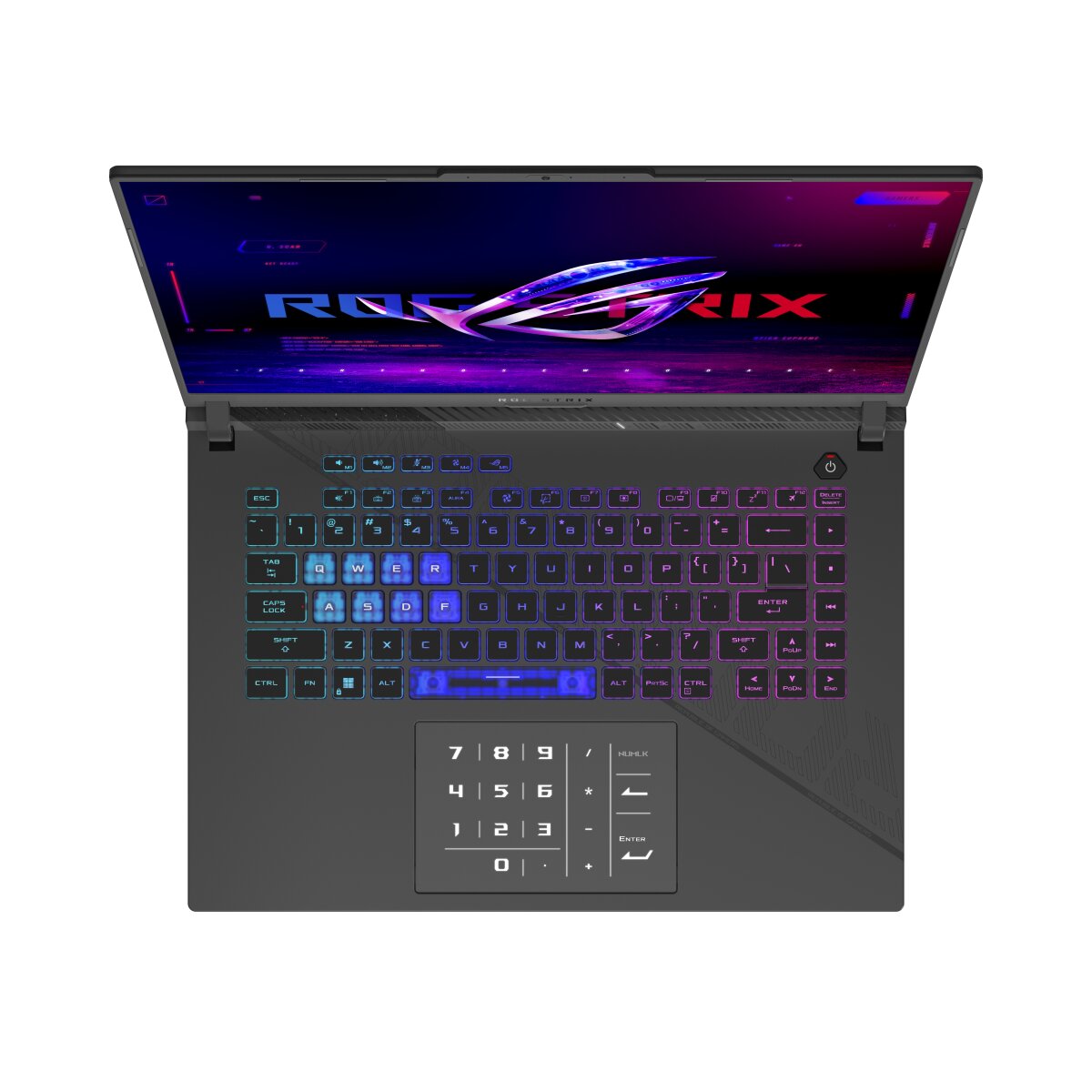


The ASUS ROG Strix G16 G614JVR-N4099W laptop features DDR5-SDRAM memory upgrade capabilities with 2x SO-DIMM slots supporting maximum RAM capacity of 32 GB. The compatible memory modules operate at 5600 MHz frequency using SO-DIMM form factor. Specifications indicate the upgrade slots accommodate DDR5 memory for enhanced performance optimization in the ASUS G614JVR-N4099W gaming laptop model.
Memory Upgrade Specifications
| Specification | Value |
|---|---|
| Memory slots | 2x SO-DIMM |
| Form factor | SO-DIMM |
| Memory type | DDR5-SDRAM |
| Frequency | 5600 MHz |
| Maximum RAM | 32 GB |
| Voltage | 1.1V |
| Number of pins | 262-pin |
| Interface | PC5 |
| PC Speed Rating | PC5-5600 (PC5-44800) |
| Bandwidth | 44.8 GB/s |
Additional Notes
- The ASUS ROG G614JVR-N4099W supports DDR5 memory exclusively, which means DDR4 modules cannot be installed regardless of physical compatibility attempts.
- With 2 SO-DIMM slots and a 32 GB ceiling, maximum capacity requires 2x16 GB modules rather than higher-density single sticks, leaving no expansion headroom beyond the stated limit.
- The 5600 MHz native frequency indicates the system can handle DDR5-5600 specifications; memory rated above this speed will operate at reduced performance unless BIOS overclocking profiles are manually enabled, introducing non-standard conditions.
- SO-DIMM form factor confirms this is a portable system; replacement modules must match this compact specification exactly, as full-size UDIMM modules will not physically fit.
- Dual-slot architecture means a single failed module results in 50% capacity loss, and simultaneous dual-module failure leaves the system non-functional for RAM-related diagnostics.
- Warranty coverage typically extends to memory replacement only when modules are sourced through official ASUS channels or meet JEDEC DDR5 compliance; third-party overclocked or modified-speed modules may void coverage if instability occurs.
- Installation requires complete system power-down and battery disconnection; DDR5 SO-DIMMs are keyed to prevent reverse insertion but apply moderate pressure to the slot during removal, creating potential contact contamination if performed in non-static-controlled environments.