ASUS ROG G614JVR-N4059W RAM upgrade specifications



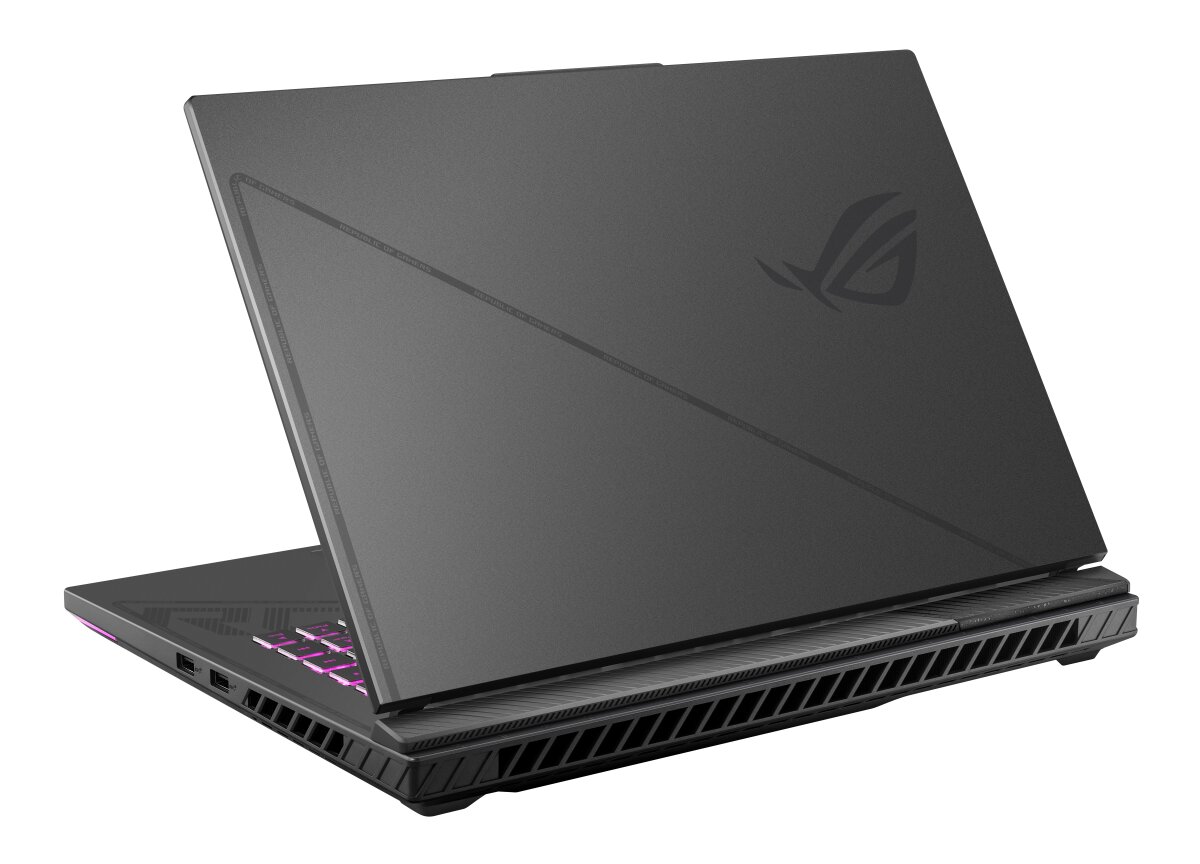
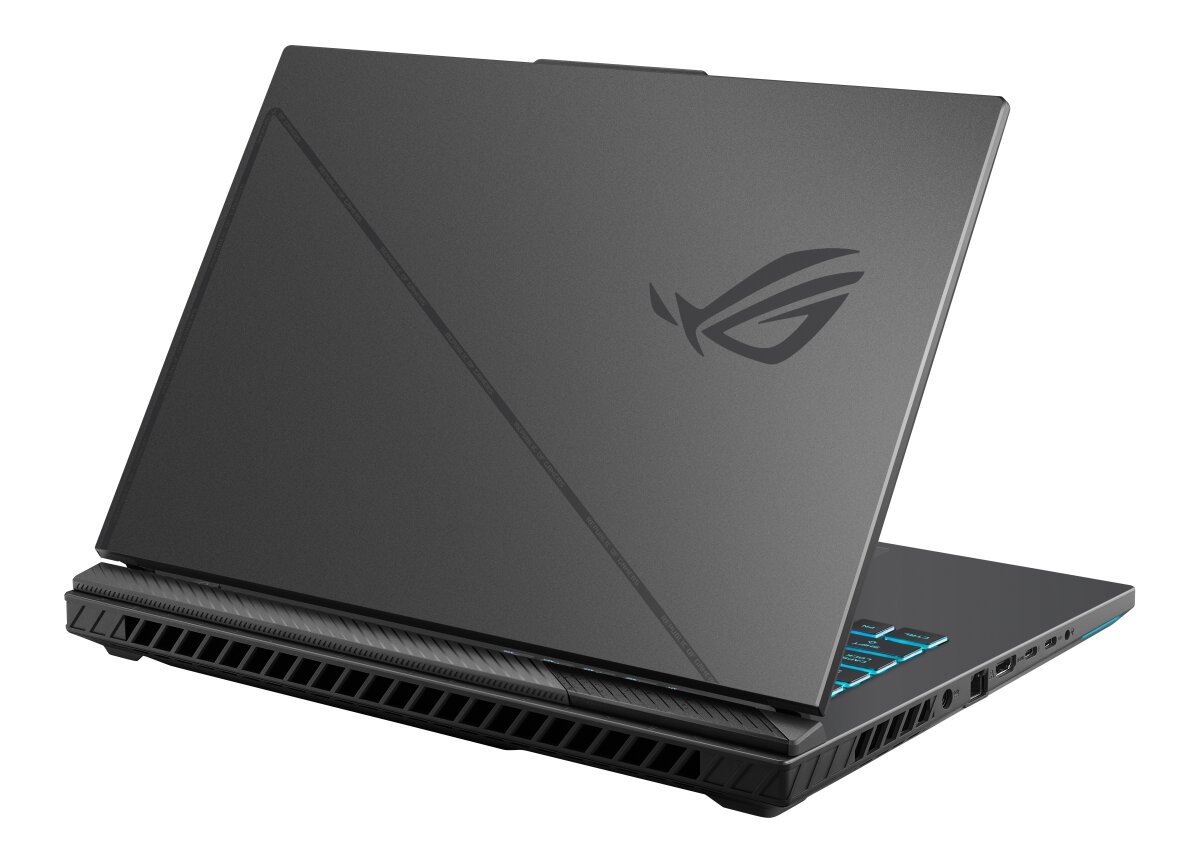
The ASUS ROG Strix G16 G614JVR-N4059W features DDR5-SDRAM memory upgrade capabilities with 2x SO-DIMM slots supporting maximum capacity of 32 GB RAM. Compatible memory modules operate at 5600 MHz frequency with SO-DIMM form factor. Specifications allow for dual-slot memory configuration, enabling users to expand storage capacity within the defined maximum specifications for enhanced system performance.
Memory Upgrade Specifications
| Specification | Value |
|---|---|
| Memory slots | 2x SO-DIMM |
| Form factor | SO-DIMM |
| Memory type | DDR5-SDRAM |
| Frequency | 5600 MHz |
| Maximum RAM | 32 GB |
| Voltage | 1.1V |
| Number of pins | 262-pin |
| Interface | PC5 |
| PC Speed Rating | PC5-5600 (PC5-44800) |
| Bandwidth | 44.8 GB/s |
Additional Notes
- The ASUS ROG G614JVR-N4059W supports DDR5 SO-DIMM modules exclusively, preventing the use of any DDR4 generation memory due to incompatible voltage requirements and pin configurations.
- The 32 GB capacity ceiling limits professional workloads requiring larger memory allocations, such as virtual machine clusters or large-scale 3D rendering projects.
- Achieving the full 32 GB requires two 16 GB modules installed in dual-channel configuration, as single-module operation would halve theoretical memory bandwidth.
- The 5600 MHz specification represents the maximum supported speed, meaning modules rated at higher frequencies will downclock to this threshold regardless of their advertised specifications.
- SO-DIMM form factor compatibility restricts memory selection to laptop-specific modules, as standard desktop DIMM modules are physically incompatible with the smaller slot design.
- Mixing modules with different speeds will force both to operate at the slower module's frequency, creating a performance bottleneck for the higher-rated memory.
- The dual-slot configuration without soldered memory allows complete replacement of factory modules, preserving warranty status when using manufacturer-approved specifications.
- DDR5 architecture introduces per-module voltage regulation, meaning each SO-DIMM manages its own power delivery independently from the motherboard's memory controller.
- Upgrading to modules with different CAS latencies than factory configuration may trigger automatic timing adjustments, potentially affecting memory subsystem responsiveness.
- The 5600 MHz operational speed delivers approximately 44.8 GB/s theoretical bandwidth per channel when both slots are populated with matched modules.