ASUS ROG G614JVR-N3243-Gaming RAM upgrade specifications


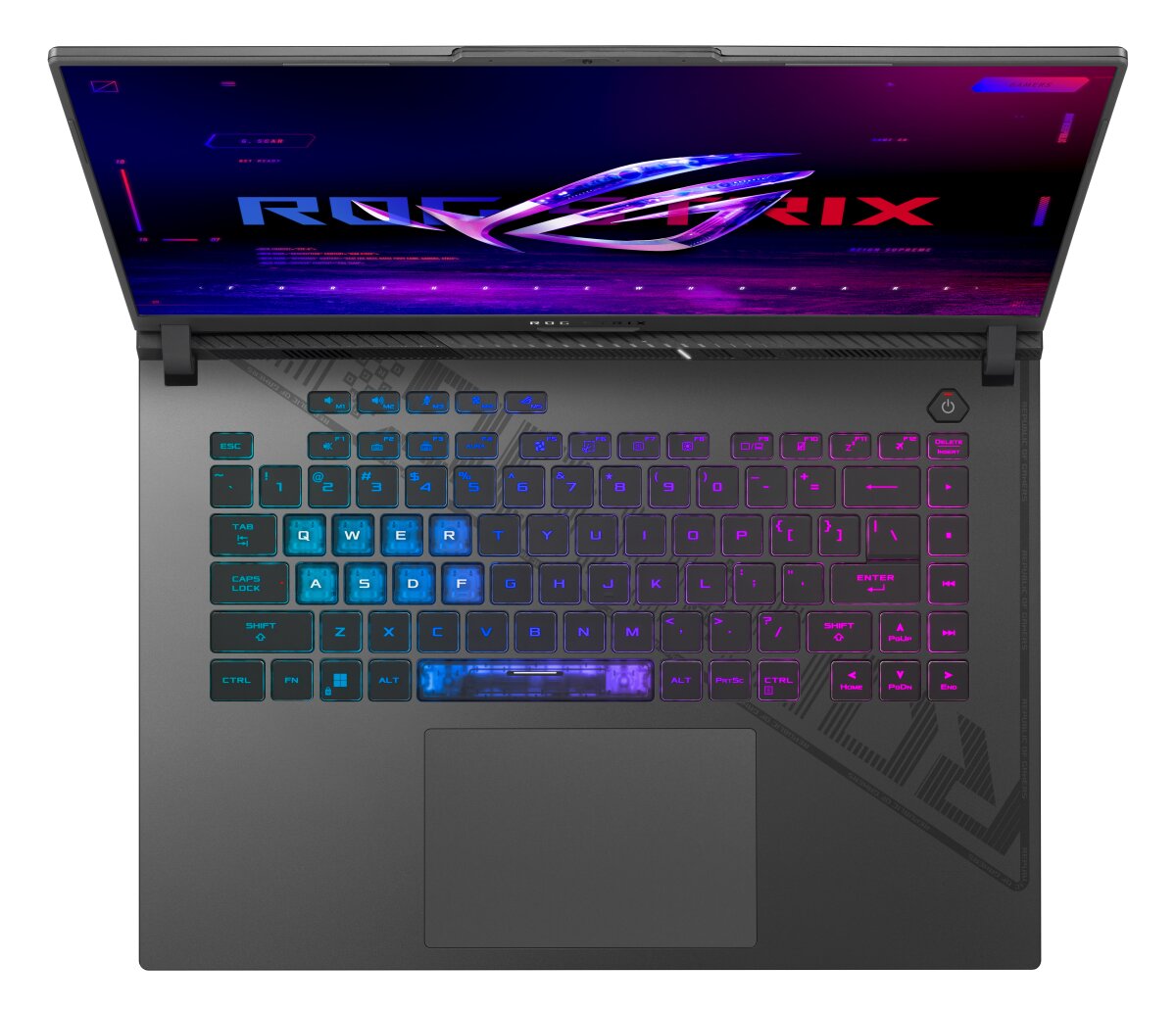
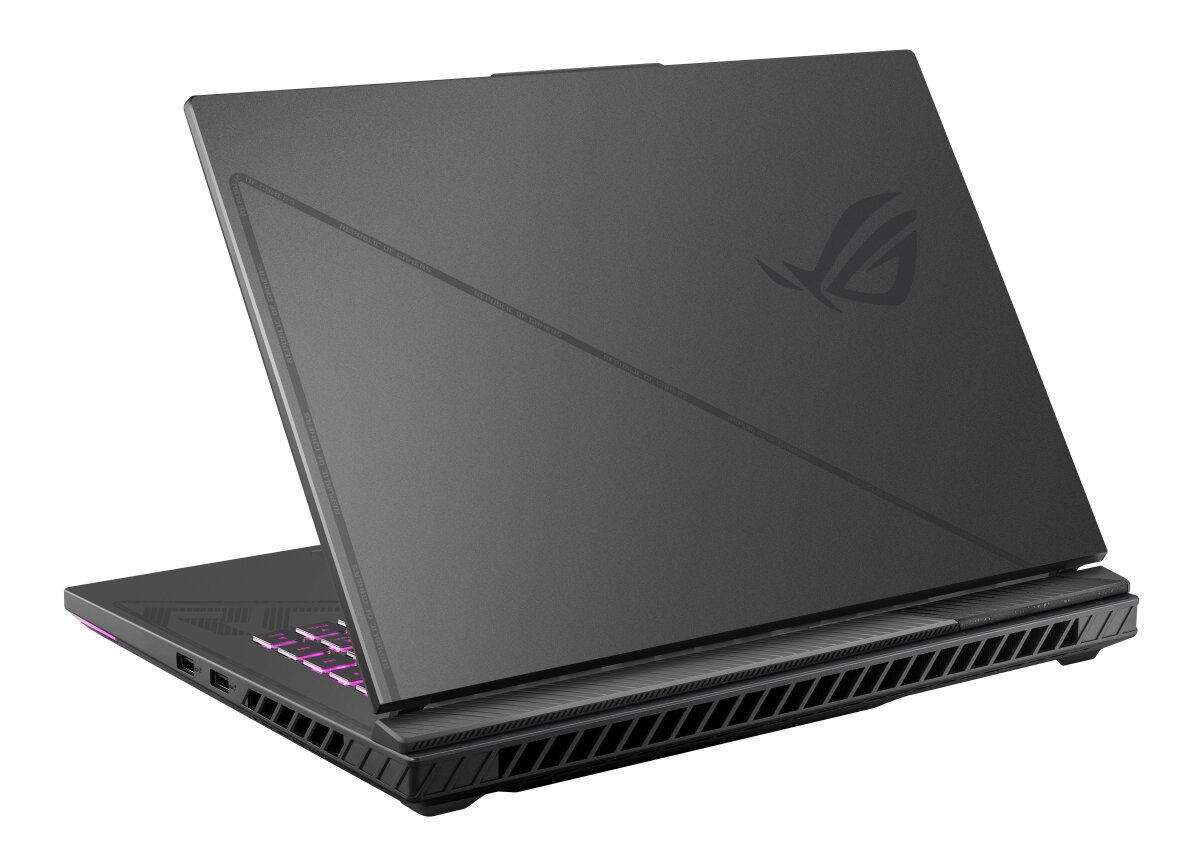
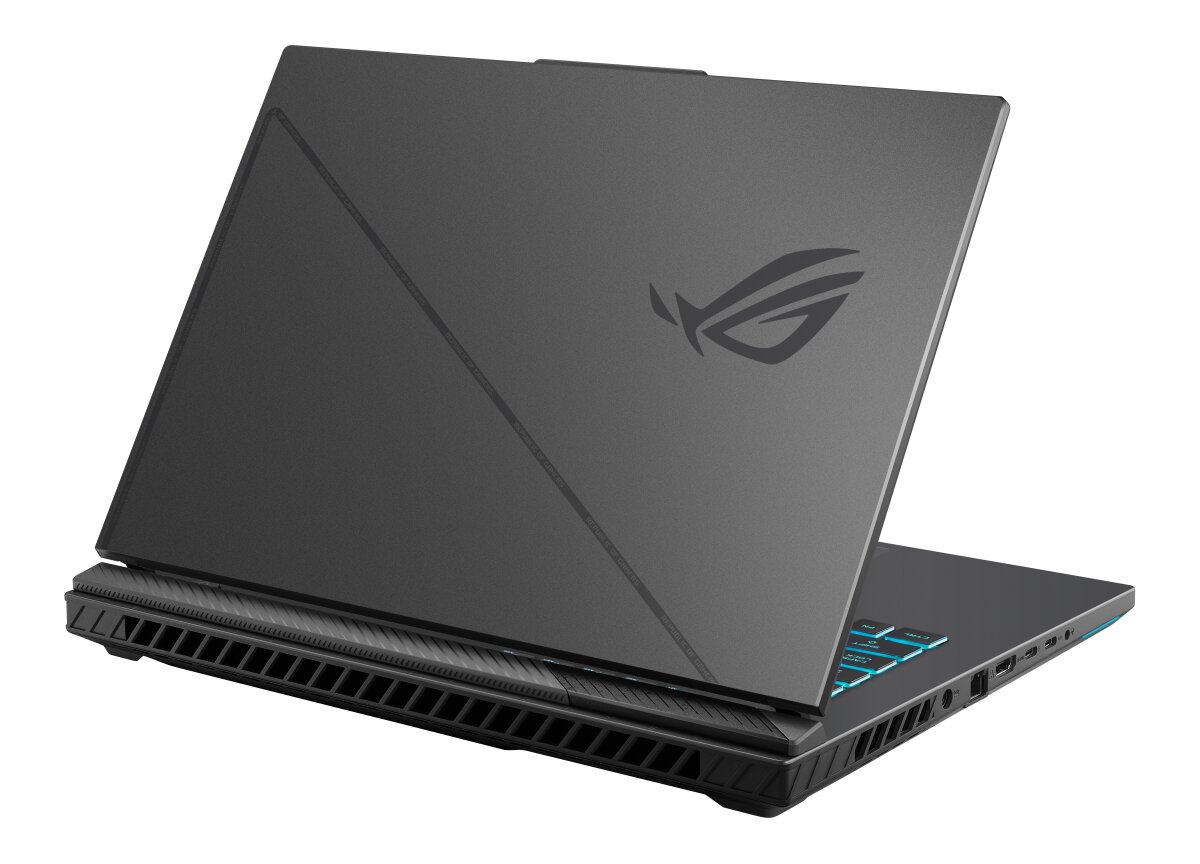
The ASUS ROG Strix G16 G614JVR-N3243-Gaming laptop features DDR5-SDRAM memory specifications compatible with 2x SO-DIMM slots, supporting maximum RAM capacity of 32 GB. Memory upgrade specifications include DDR5-SDRAM modules operating at 5600 MHz frequency. The gaming laptop accommodates SO-DIMM form factor RAM upgrades, enabling users to expand memory capacity to specifications supporting enhanced multitasking and gaming performance. Upgrade-compatible memory modules must meet DDR5-SDRAM standards and frequency requirements for proper hardware compatibility and optimal system functionality.
Memory Upgrade Specifications
| Specification | Value |
|---|---|
| Memory slots | 2x SO-DIMM |
| Form factor | SO-DIMM |
| Memory type | DDR5-SDRAM |
| Frequency | 5600 MHz |
| Maximum RAM | 32 GB |
| Voltage | 1.1V |
| Number of pins | 262-pin |
| Interface | PC5 |
| PC Speed Rating | PC5-5600 (PC5-44800) |
| Bandwidth | 44.8 GB/s |
Additional Notes
- The dual channel configuration requirement necessitates installing modules in matched pairs to achieve the peak theoretical memory bandwidth of the processor.
- The 32 GB ceiling restricts the ASUS ROG G614JVR-N3243-Gaming from supporting high density 24 GB or 32 GB modules that would otherwise allow for 48 GB or 64 GB total capacities.
- Utilization of 5600 MHz frequencies requires the internal memory controller to support specific JEDEC profiles without relying on XMP or DOCP profiles which are often locked in mobile BIOS environments.
- Internal hardware architecture prevents beyond-maximum expansion even if higher capacity SO-DIMM modules physically fit into the available slots.
- Concurrent application of high speed DDR5 memory increases heat dissipation requirements within the chassis during sustained heavy workloads or multitasking scenarios.
- Operating at the 5600 MHz threshold provides lower latency for frame timing in physics-heavy calculations compared to standard 4800 MHz alternatives.
- Future replacements must adhere to the 262-pin SO-DIMM standard as the physical interface is incompatible with older DDR4 hardware slots.