ASUS ROG G614PM-S5004W RAM upgrade specifications

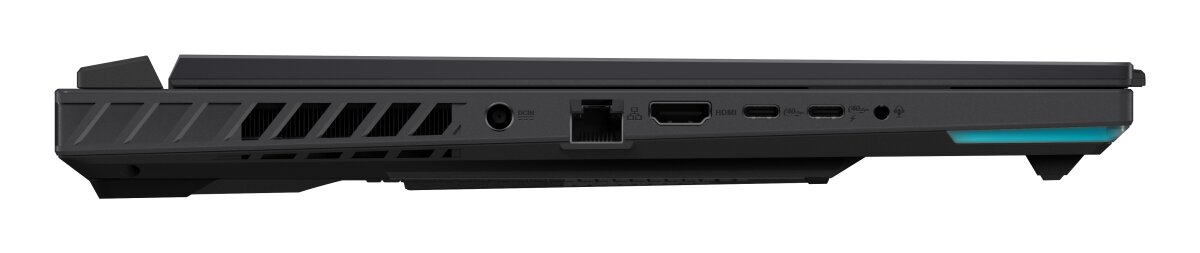
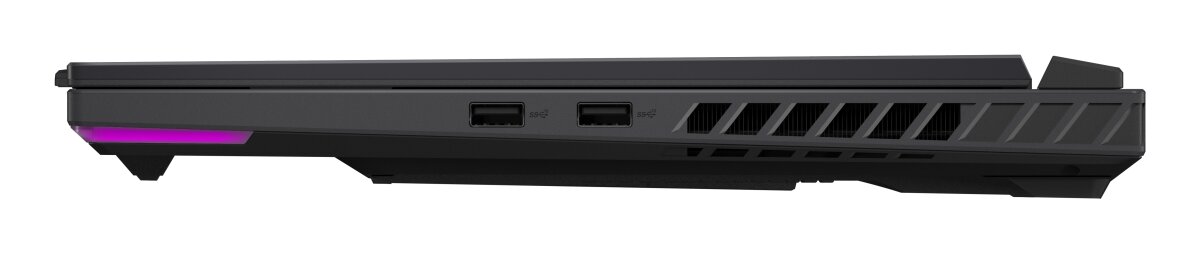

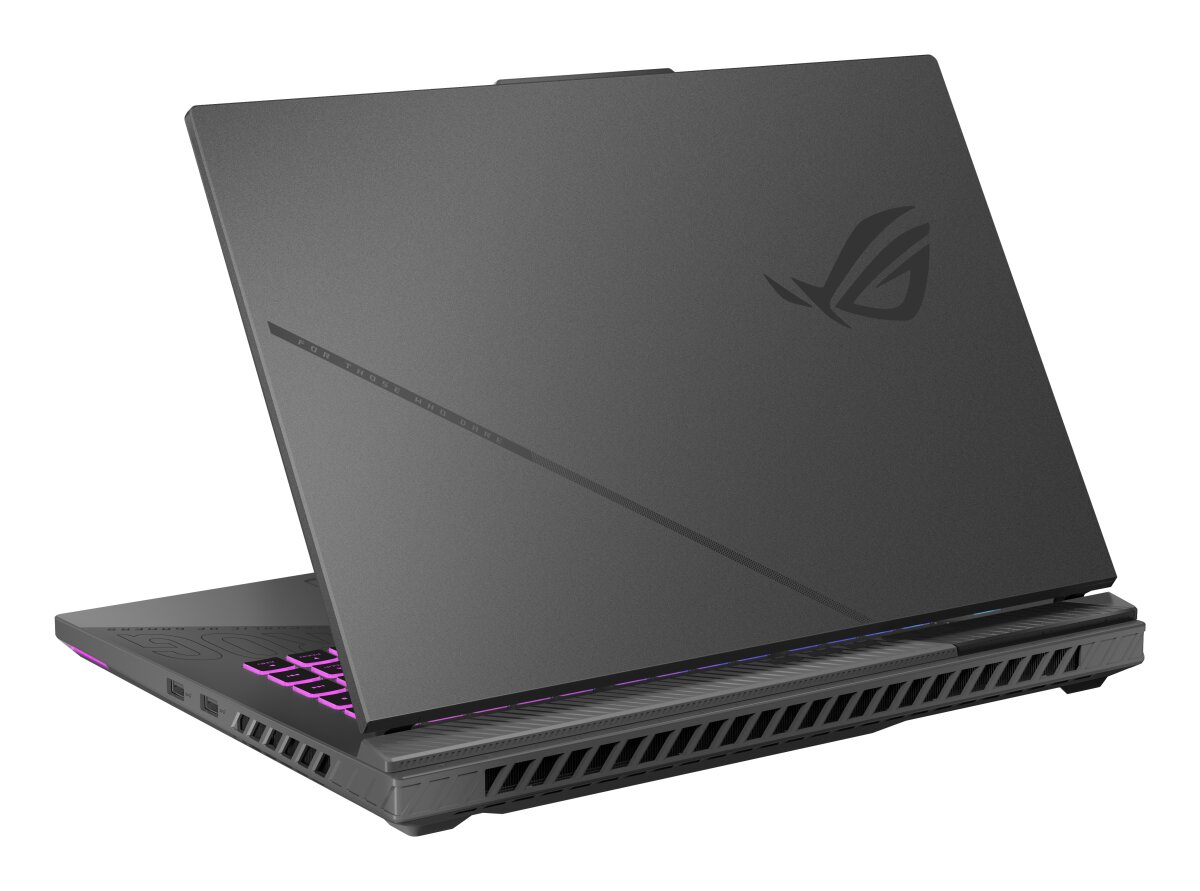
The ASUS ROG Strix G16 G614PM-S5004W laptop features two SO-DIMM memory slots supporting DDR5-SDRAM modules at 5200 MHz frequency. The upgrade specifications indicate maximum RAM capacity of 64 GB total. Compatible memory upgrades utilize the SO-DIMM form factor standard. Current and prospective RAM upgrades for this gaming laptop model are limited to the two available slots, with each slot accommodating compatible DDR5 memory modules to reach the specified maximum capacity.
Memory Upgrade Specifications
| Specification | Value |
|---|---|
| Memory slots | 2x SO-DIMM |
| Form factor | SO-DIMM |
| Memory type | DDR5-SDRAM |
| Frequency | 5200 MHz |
| Maximum RAM | 64 GB |
| Voltage | 1.1V |
| Number of pins | 262-pin |
| Interface | PC5 |
| PC Speed Rating | PC5-5200 (PC5-41600) |
| Bandwidth | 41.6 GB/s |
Additional Notes
- The ASUS ROG G614PM-S5004W motherboard architecture limits total system memory to 64 GB despite DDR5 SO-DIMM modules being available in 48 GB capacities, indicating a chipset or BIOS restriction rather than a physical limitation.
- DDR5-5200 represents the base JEDEC standard speed, meaning higher-frequency modules rated at 5600 MHz or 6000 MHz will typically downclock to 5200 MHz unless XMP/EXPO profiles are supported and enabled in BIOS.
- The dual SO-DIMM configuration requires matched pair installation to maintain dual-channel bandwidth of 83.2 GB/s, as single-channel operation would halve this throughput and create a significant performance bottleneck for integrated or discrete graphics.
- SO-DIMM DDR5 modules operate at 1.1V nominal voltage compared to DDR4's 1.2V, reducing thermal output but requiring motherboard compatibility verification before attempting cross-generation upgrades.
- On-die ECC functionality in DDR5 operates transparently at the DRAM level but does not provide the same error reporting capabilities as server-grade ECC SO-DIMMs, which remain incompatible with consumer laptop platforms.
- The 262-pin SO-DIMM form factor physically prevents installation of older 260-pin DDR4 modules, eliminating the risk of incorrect memory type insertion but also preventing reuse of legacy components.
- DDR5's split-bank architecture divides each module into two independent 32-bit channels, allowing the memory controller to access separate banks simultaneously but requiring BIOS updates to optimize burst length and command timing.
- Heat spreader presence on aftermarket SO-DIMM modules may exceed the laptop's internal clearance specifications, potentially interfering with keyboard assemblies or thermal solutions in thin gaming chassis designs.
- Mixing memory modules with different ranks (1Rx8 versus 1Rx16 configurations) can force the memory controller to operate at the lowest common specifications, reducing effective frequency and increasing latency penalties.
- Warranty preservation requires verification that memory upgrades fall under user-serviceable components, as some manufacturers void coverage when non-qualified SO-DIMMs trigger POST failures or thermal shutdowns.