ASUS ROG G713PV-DS94 RAM upgrade specifications


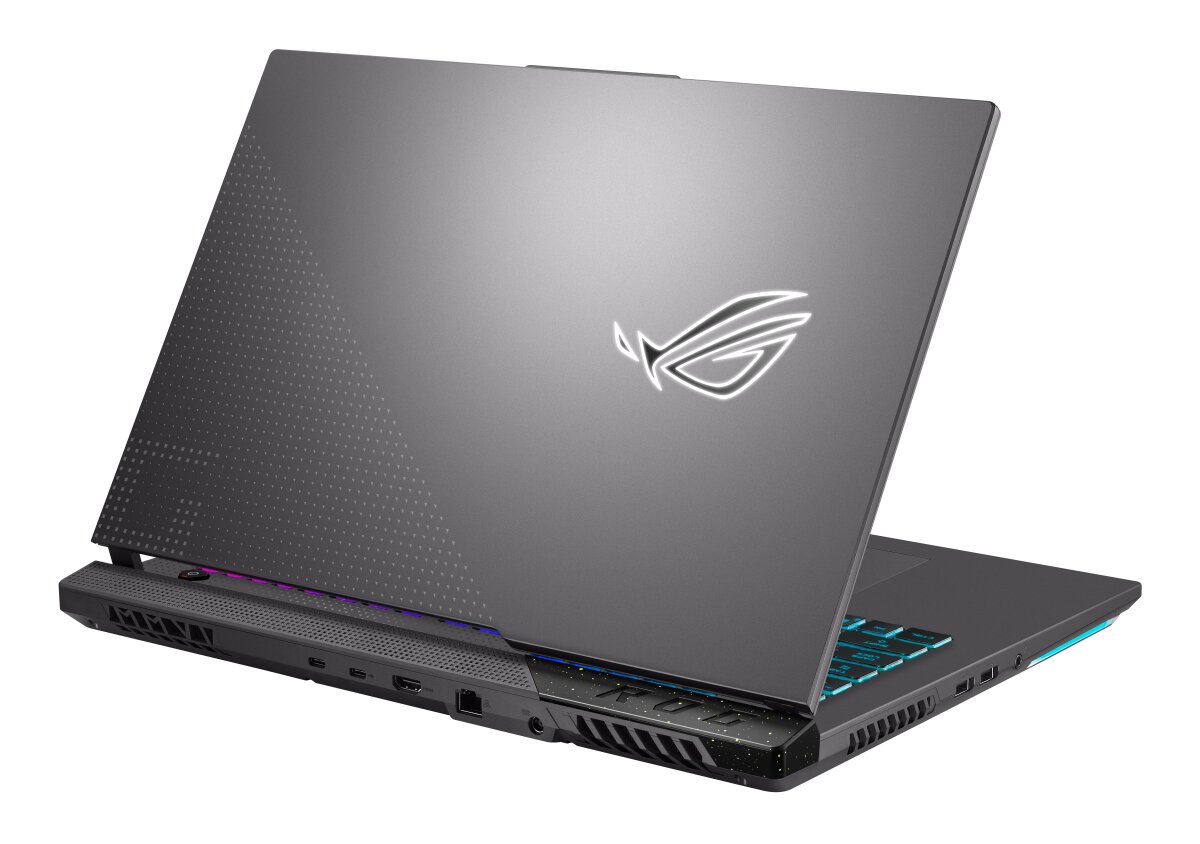


ASUS ROG Strix G17 model G713PV-DS94 features DDR5-SDRAM memory upgrade specifications with two SO-DIMM slots supporting maximum capacity of 32 GB RAM. Compatible memory operates at 4800 MHz frequency. The laptop accommodates SO-DIMM form factor modules. Specifications indicate upgrade capability through dual memory slots for enhanced system performance and multitasking capacity.
Memory Upgrade Specifications
| Specification | Value |
|---|---|
| Memory slots | 2x SO-DIMM |
| Form factor | SO-DIMM |
| Memory type | DDR5-SDRAM |
| Frequency | 4800 MHz |
| Maximum RAM | 32 GB |
| Voltage | 1.1V |
| Number of pins | 262-pin |
| Interface | PC5 |
| PC Speed Rating | PC5-4800 (PC5-38400) |
| Bandwidth | 38.4 GB/s |
| Laptop Release date | 10 February 2023 |
Additional Notes
- The ASUS ROG G713PV-DS94 dual-channel architecture requires paired modules for optimal bandwidth utilization, meaning single-stick configurations will halve the available memory throughput to the processor.
- DDR5 SO-DIMM modules operating at frequencies above 4800 MHz may downclock to the system's native speed, wasting the performance premium paid for higher-rated memory.
- The 32 GB ceiling limits professional workloads like 4K video editing or virtual machine deployment to moderate complexity levels compared to desktop workstation configurations.
- SO-DIMM installation requires accessing the bottom chassis panel, which may involve removing multiple screws and disconnecting ribbon cables depending on internal layout design.
- Third-party memory installations typically preserve manufacturer warranties under Magnuson-Moss provisions, though physical damage during installation remains the upgrader's liability.
- Mixed-capacity configurations, such as pairing 8 GB with 16 GB modules, will operate in flex mode with only partial dual-channel benefits on the matched portion.
- DDR5's on-die ECC differs from server-grade memory error correction and will not appear in BIOS diagnostics or system monitoring tools.
- Voltage specifications for DDR5 SO-DIMMs standardize at 1.1V, eliminating the manual timing adjustments common in previous generation upgrades.
- The 4800 MHz specification represents JEDEC baseline speeds for DDR5, positioning this configuration at entry-level rather than performance-tier memory implementation.
- Thermal considerations for high-density modules become relevant in gaming laptops where memory subsystems share cooling pathways with GPU and CPU heat dissipation.