ASUS ROG G713QE-HX023T RAM upgrade specifications
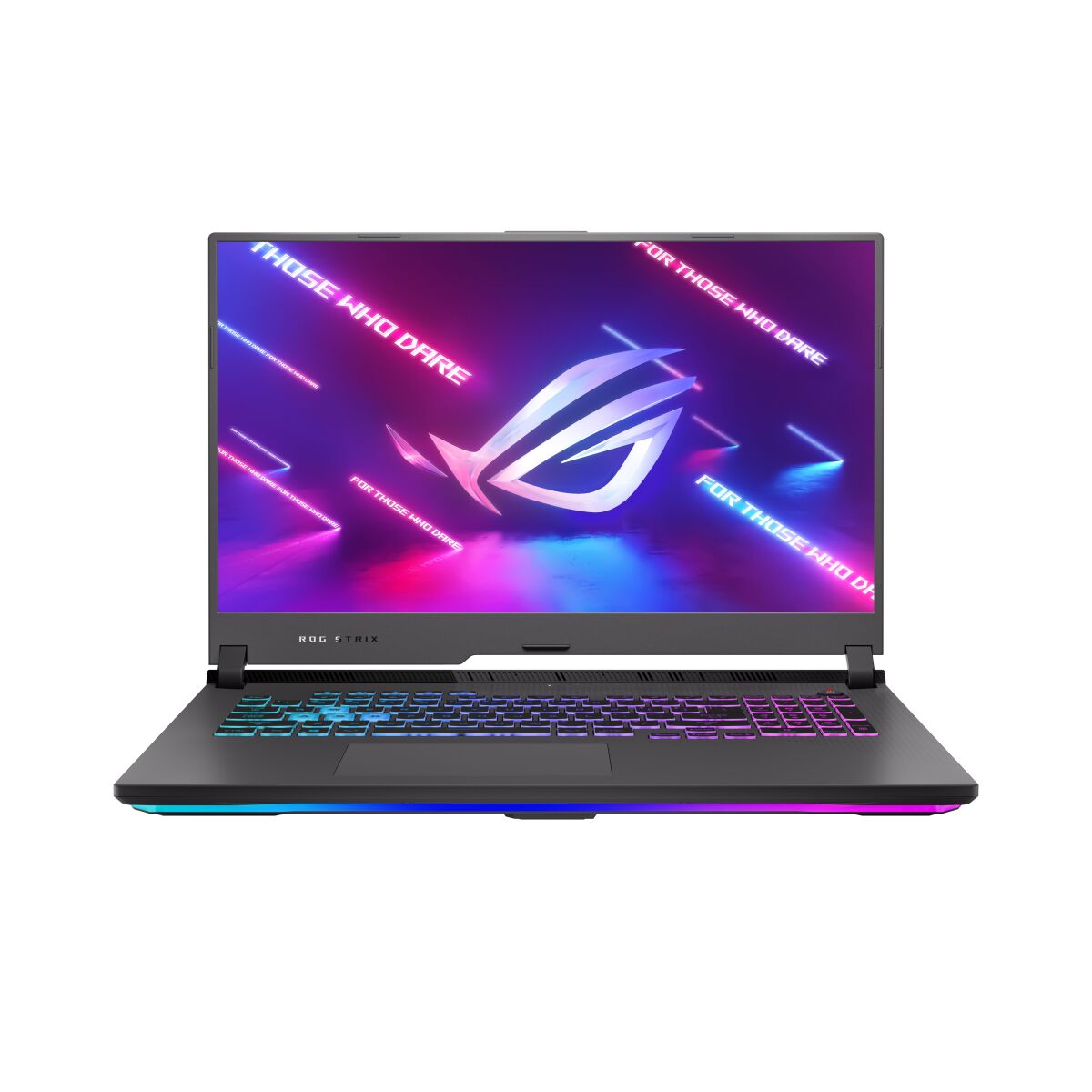
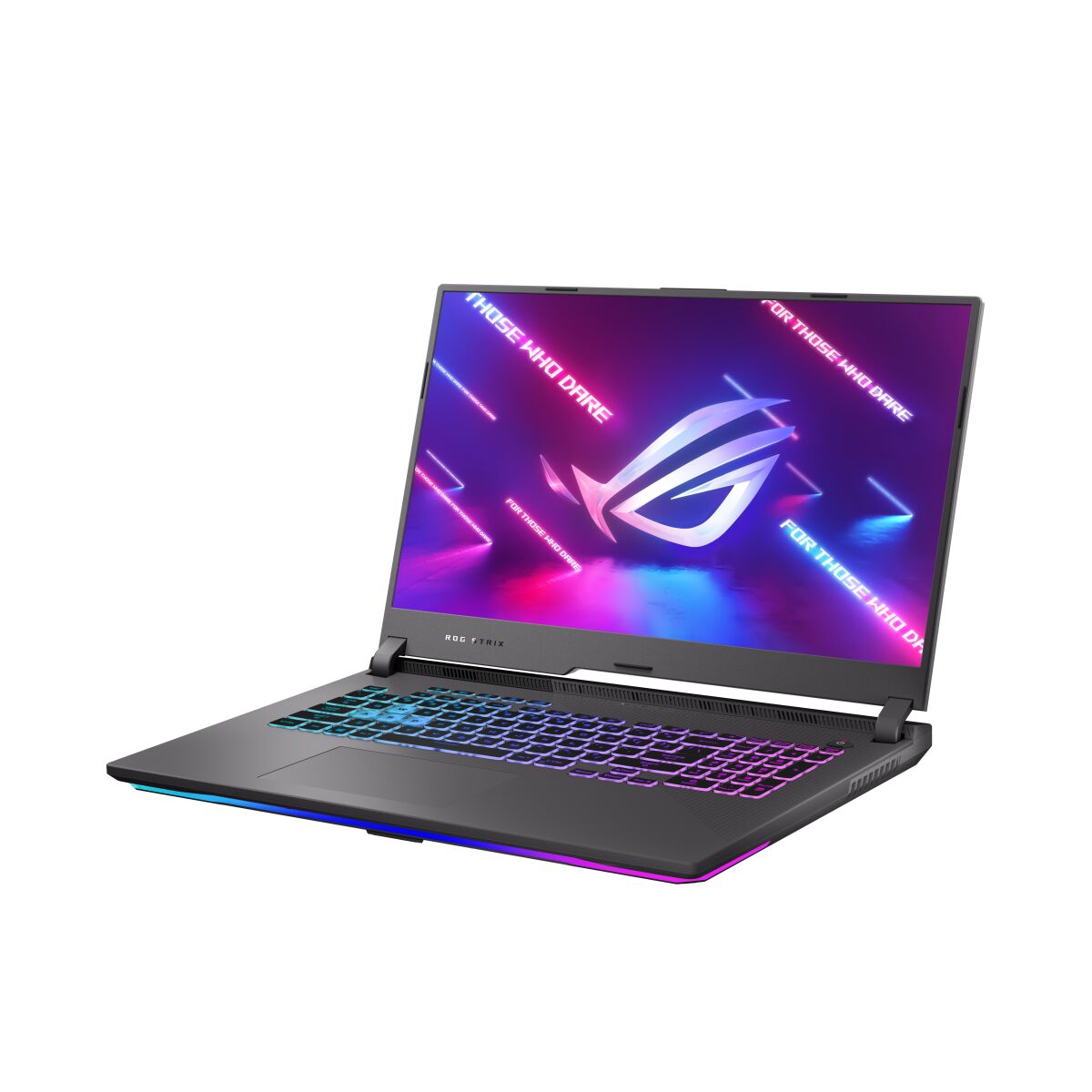
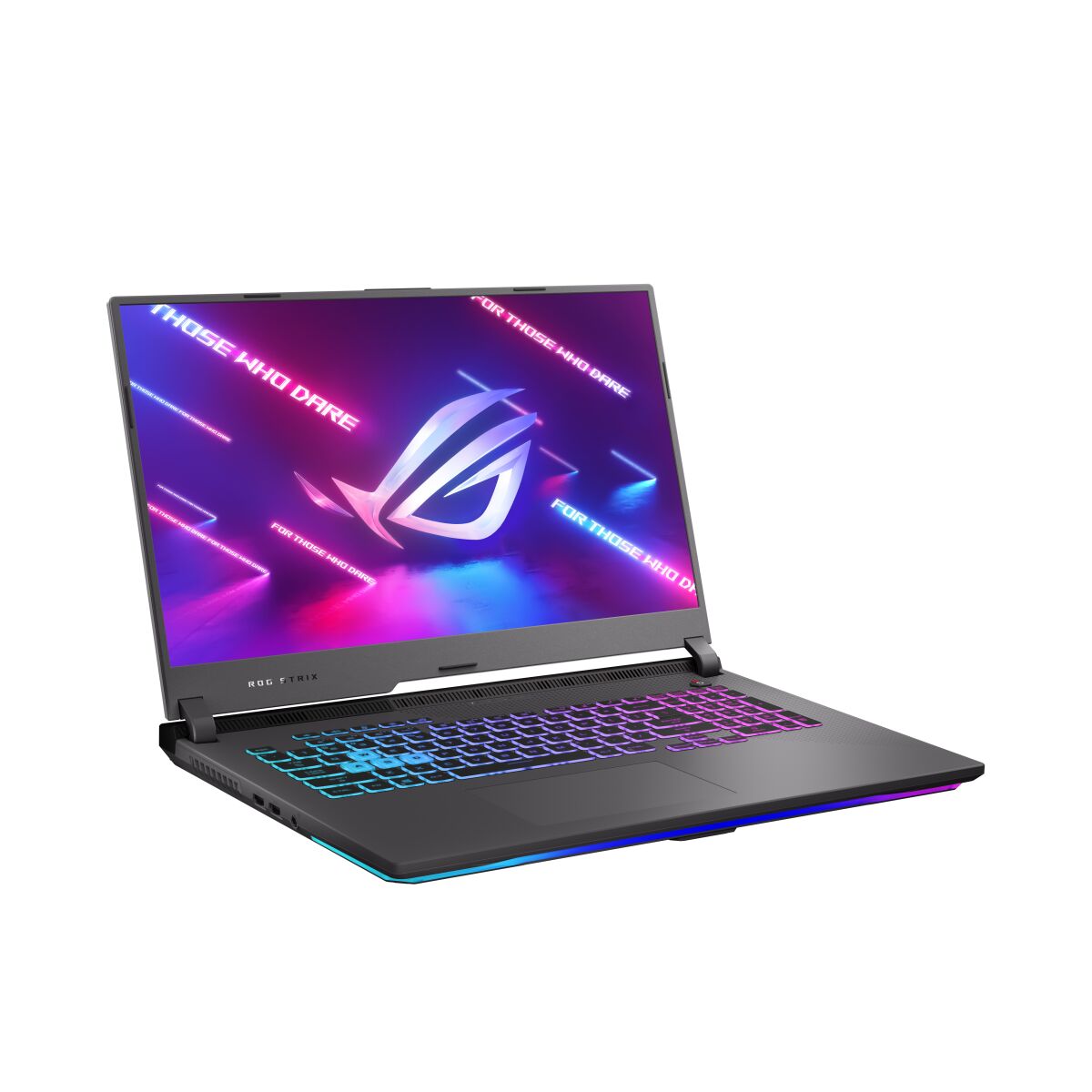
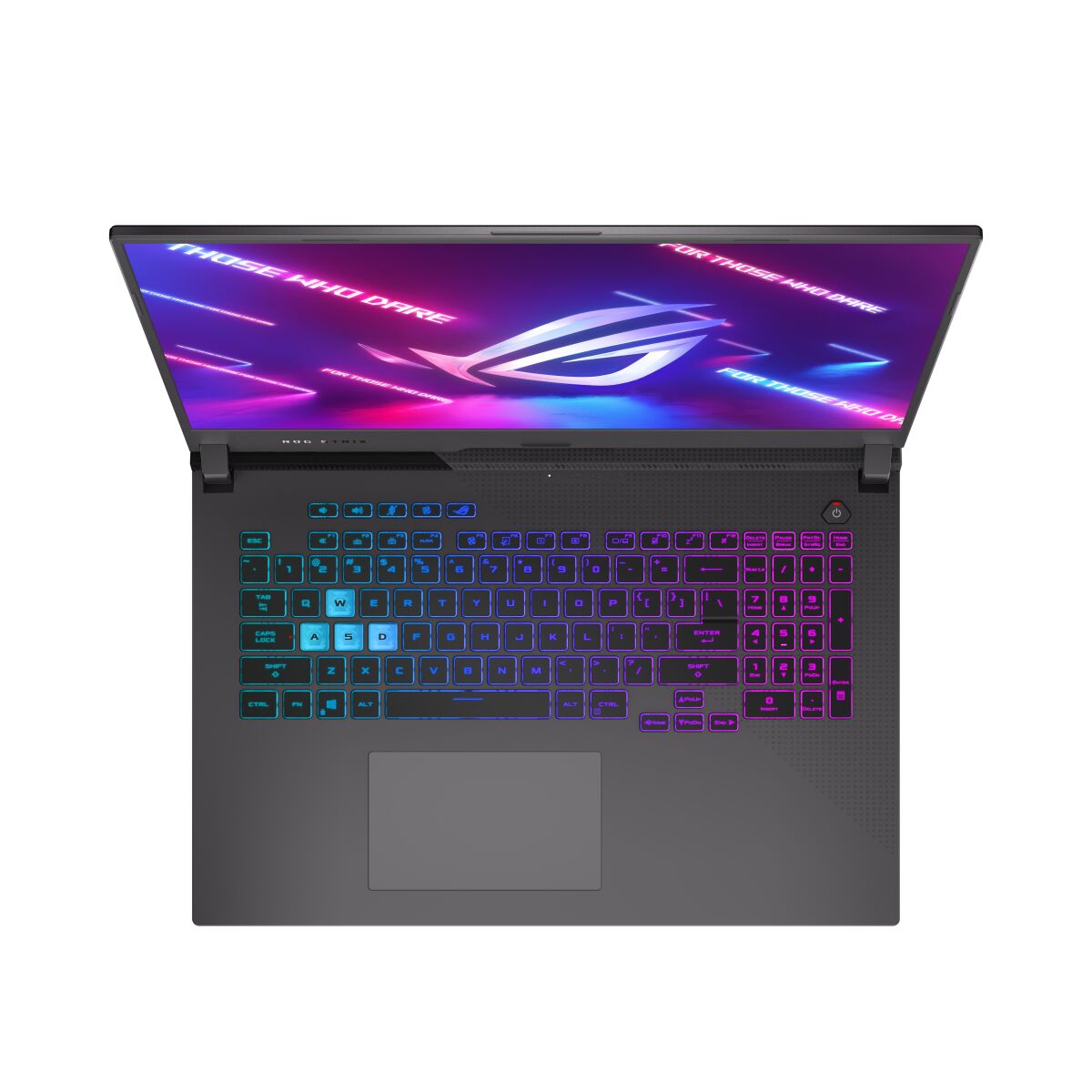
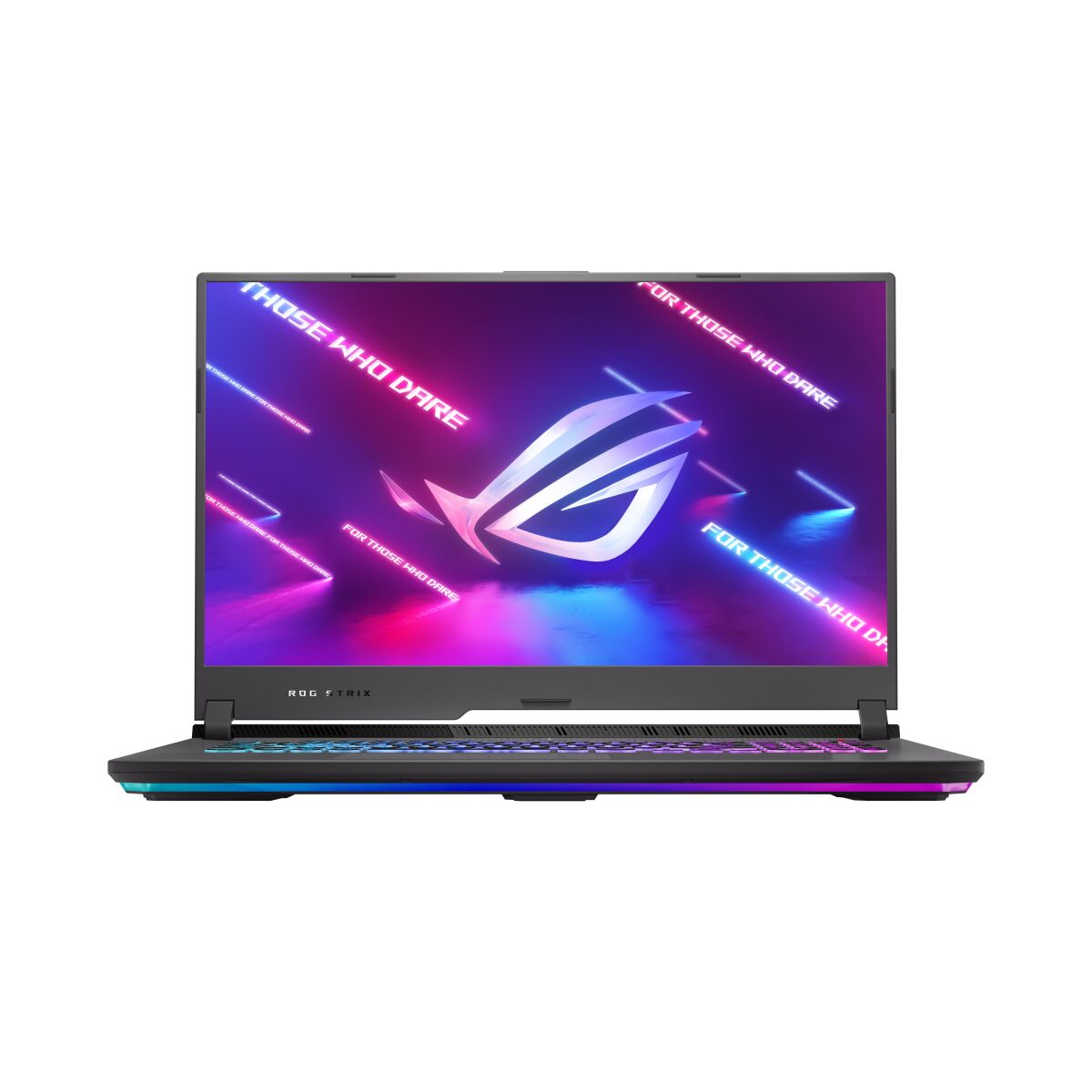
The ASUS ROG Strix G17 G713QE-HX023T gaming laptop features DDR4-SDRAM memory upgrade capabilities with 2x SO-DIMM slots supporting maximum capacity of 32 GB. Compatible memory modules operate at 3200 MHz frequency. Specifications indicate the laptop accepts SO-DIMM form factor RAM upgrades, enabling users to expand memory specifications from stock configuration up to the 32 GB maximum capacity through accessible memory slots.
Memory Upgrade Specifications
| Specification | Value |
|---|---|
| Memory slots | 2x SO-DIMM |
| Form factor | SO-DIMM |
| Memory type | DDR4-SDRAM |
| Frequency | 3200 MHz |
| Maximum RAM | 32 GB |
| Voltage | 1.2V |
| Number of pins | 260-pin |
| Interface | PC4 |
| PC Speed Rating | PC4-3200 (PC4-25600) |
| Bandwidth | 25.6 GB/s |
| Laptop Release date | 28 February 2021 |
Additional Notes
- The ASUS ROG G713QE-HX023T supports only DDR4 architecture, which restricts upgrades to DDR4 modules and prevents future migration to DDR5 systems without motherboard replacement.
- Both SO-DIMM slots must be populated to reach the 32 GB ceiling, as a single module configuration cannot achieve maximum capacity and leaves one slot unutilized.
- The 3200 MHz rated frequency establishes a performance floor; modules rated above this speed will downclock to 3200 MHz, eliminating any benefit from premium faster variants and making higher-frequency purchases economically inefficient.
- Dual-channel architecture depends on symmetrical slot population, meaning unmatched module capacities or speeds between slots may trigger single-channel fallback modes that reduce memory bandwidth by approximately 50 percent.
- SO-DIMM form factor creates a physical constraint that prevents use of standard full-size DIMM modules, locking the system into laptop-specific inventory and limiting sourcing options to specialty retailers or OEM stock.
- The 2-slot design offers no internal expansion headroom beyond 32 GB, so capacity scaling beyond this threshold requires complete module replacement rather than additive upgrades.
- Warranty safety requires verification of memory compatibility through the OEM specifications database before installation, as non-qualified modules may trigger hardware detection errors or automatic throttling even if physically compatible.