ASUS ROG G713QR-HG053 RAM upgrade specifications
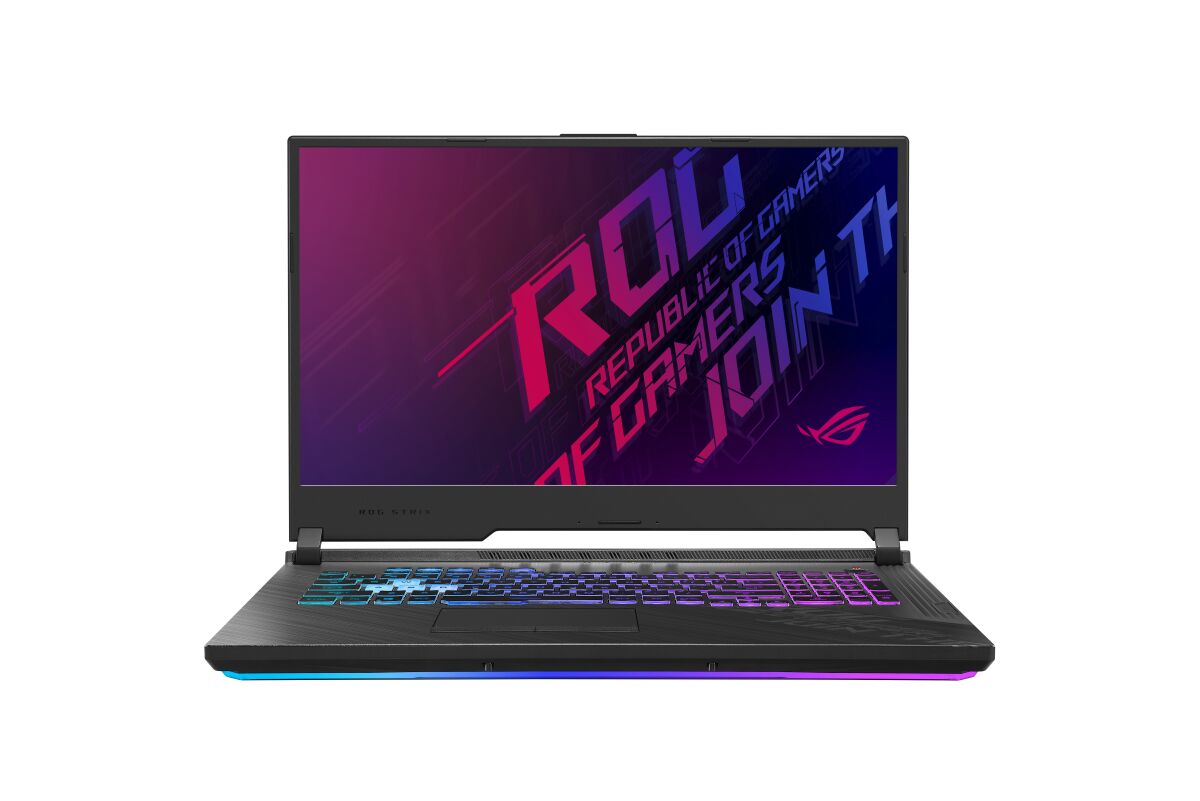


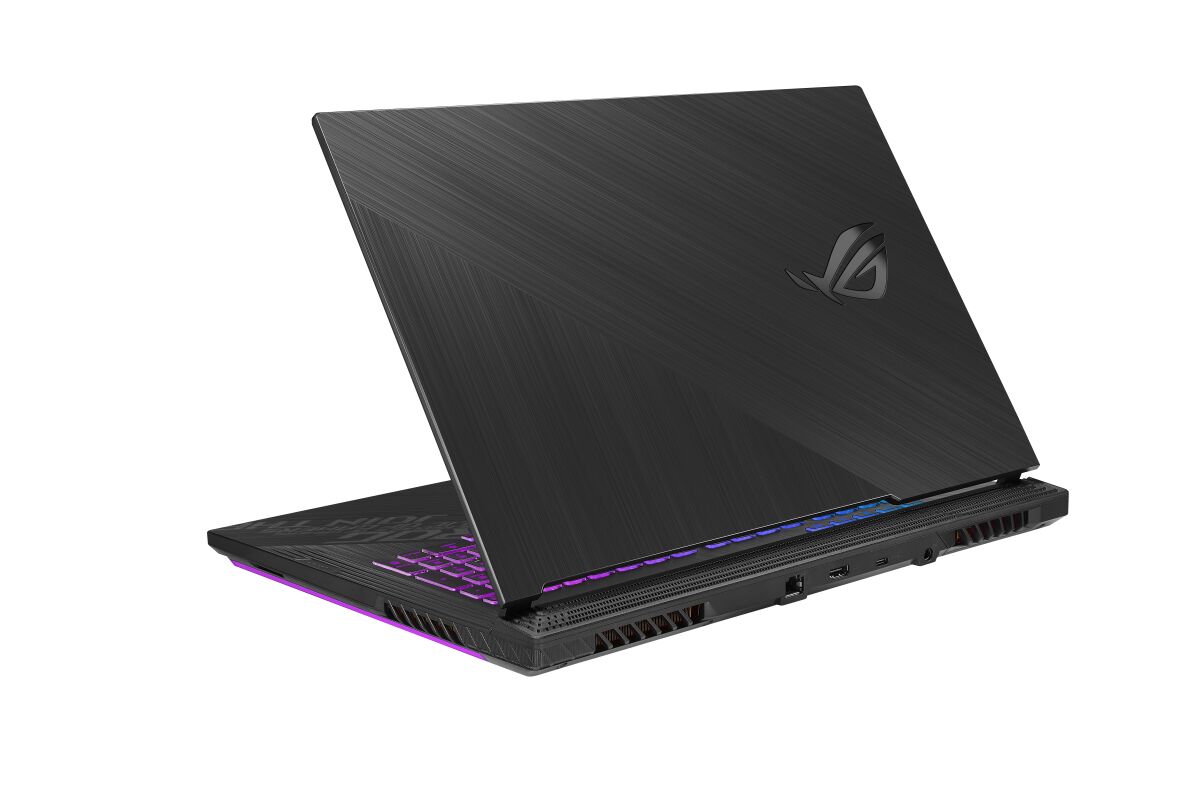
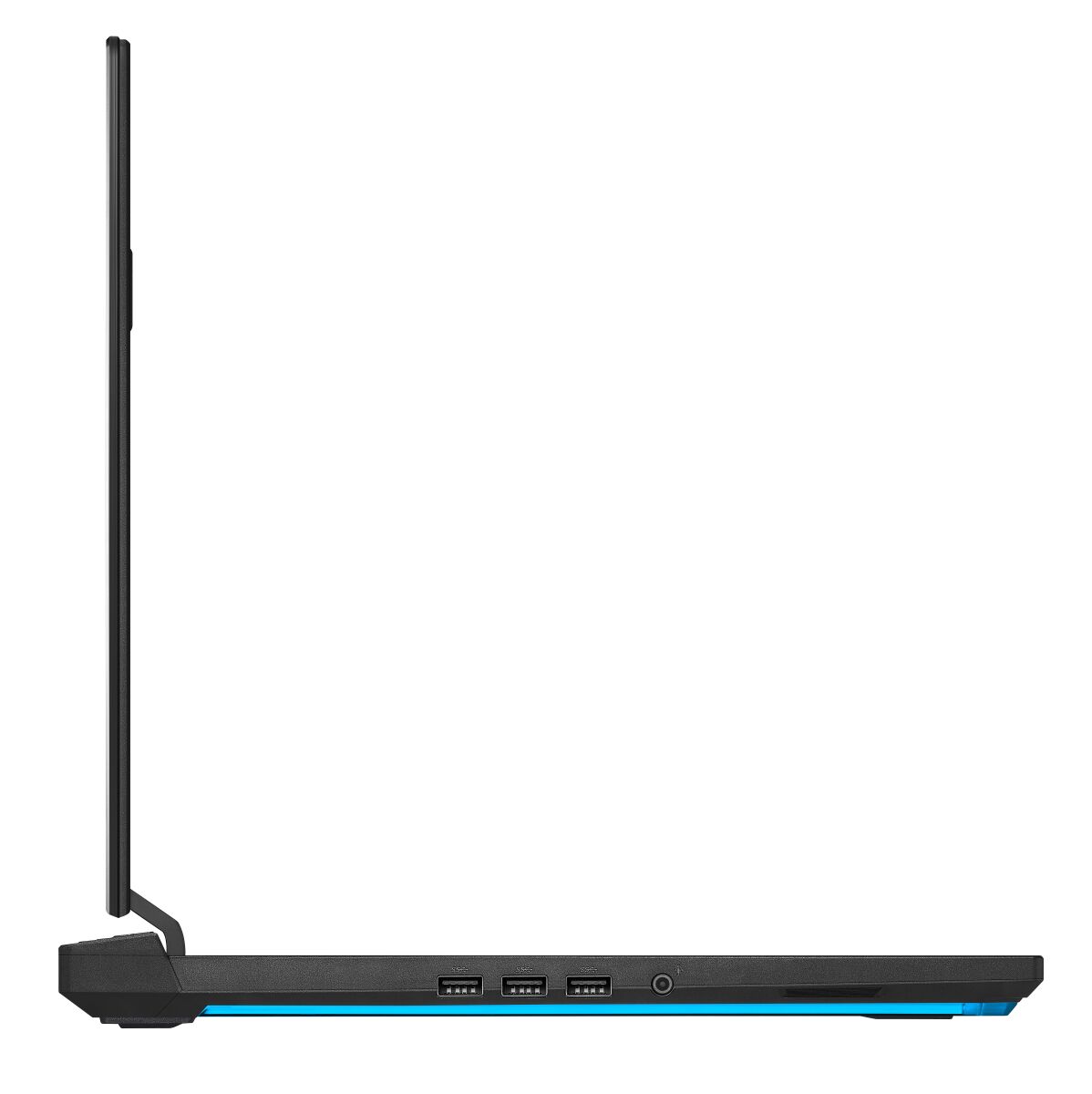
The ASUS ROG Strix G17 G713QR-HG053 laptop features two SO-DIMM slots supporting DDR4-SDRAM memory upgrades. Compatible RAM operates at 3200 MHz frequency, with maximum capacity specifications of 32 GB total memory. Upgrade specifications include DDR4 SO-DIMM modules, enabling expansion of the laptop's memory configuration for enhanced multitasking and performance capabilities.
Memory Upgrade Specifications
| Specification | Value |
|---|---|
| Memory slots | 2x SO-DIMM |
| Form factor | SO-DIMM |
| Memory type | DDR4-SDRAM |
| Frequency | 3200 MHz |
| Maximum RAM | 32 GB |
| Voltage | 1.2V |
| Number of pins | 260-pin |
| Interface | PC4 |
| PC Speed Rating | PC4-3200 (PC4-25600) |
| Bandwidth | 25.6 GB/s |
| Laptop Release date | 01 February 2021 |
Additional Notes
- The ASUS ROG G713QR-HG053 utilizes SO-DIMM modules rather than standard DIMM, which limits aftermarket options to laptop-specific memory kits and typically increases cost per gigabyte compared to desktop equivalents.
- The 32 GB maximum capacity constraint likely stems from chipset or BIOS limitations rather than physical slot restrictions, meaning 16 GB modules represent the largest compatible density per slot.
- DDR4-3200 operates at PC4-25600 transfer rates, providing 25.6 GB/s theoretical bandwidth per channel; dual-channel configuration doubles this to 51.2 GB/s aggregate throughput when both slots are populated with matched modules.
- Mixing modules with different speeds will force all installed memory to operate at the lowest common frequency, potentially downclocking 3200 MHz modules if paired with slower variants.
- The 2-slot configuration means capacity upgrades require complete module replacement rather than simple addition, as no empty slots exist once the factory configuration fills both positions.
- Non-matching module timings (CAS latency, tRCD, tRP) between slots may cause stability issues or force the memory controller to use conservative timing profiles, reducing effective performance below rated specifications.
- Voltage compatibility requires verification, as DDR4 SO-DIMMs operating above the JEDEC standard 1.2V may conflict with thermal management systems or void manufacturer coverage in certain warranty jurisdictions.
- ECC memory variants remain physically incompatible despite matching SO-DIMM form factor, as consumer-grade AMD Ryzen mobile platforms in gaming configurations typically lack error-correction support in their memory controllers.
- Single-rank versus dual-rank module architecture affects access patterns; dual-rank configurations can improve integrated graphics performance through interleaved memory access but may reduce maximum achievable overclocking headroom.
- The absence of specified XMP or DOCP profile support in consumer laptop BIOS implementations means advertised speeds beyond JEDEC standards may not activate without manual timing configuration, if supported at all.