ASUS ROG G713QR-HG112T RAM upgrade specifications
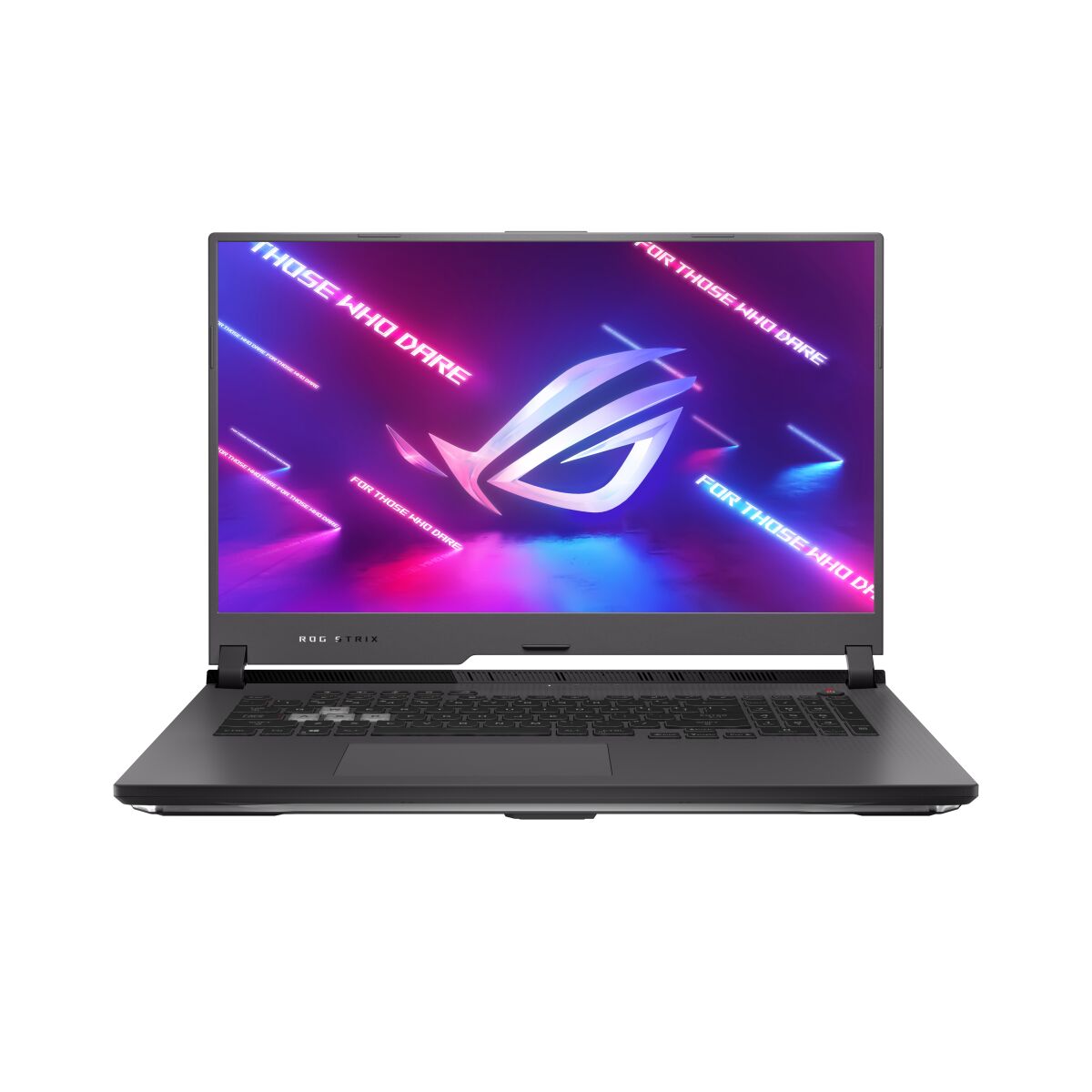
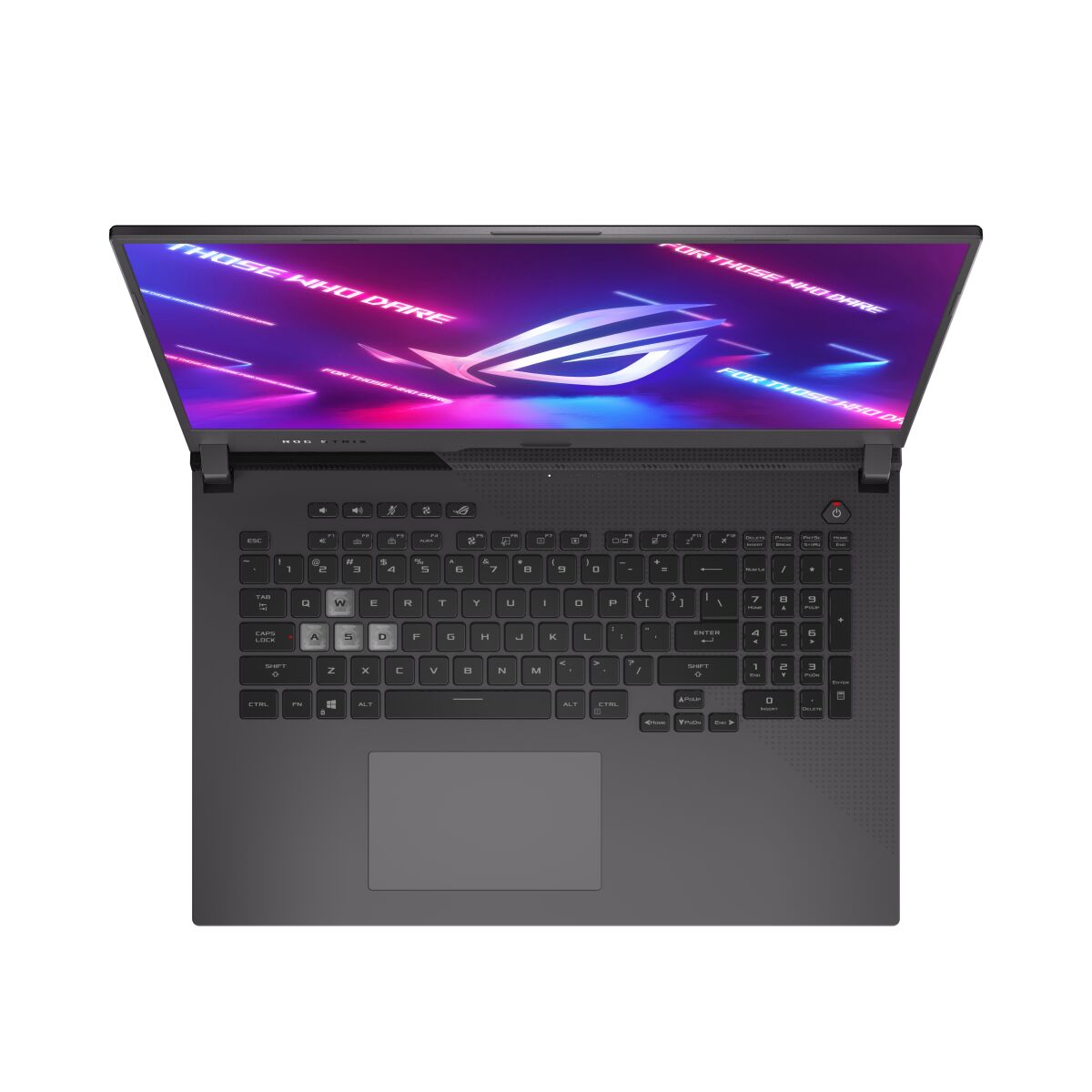
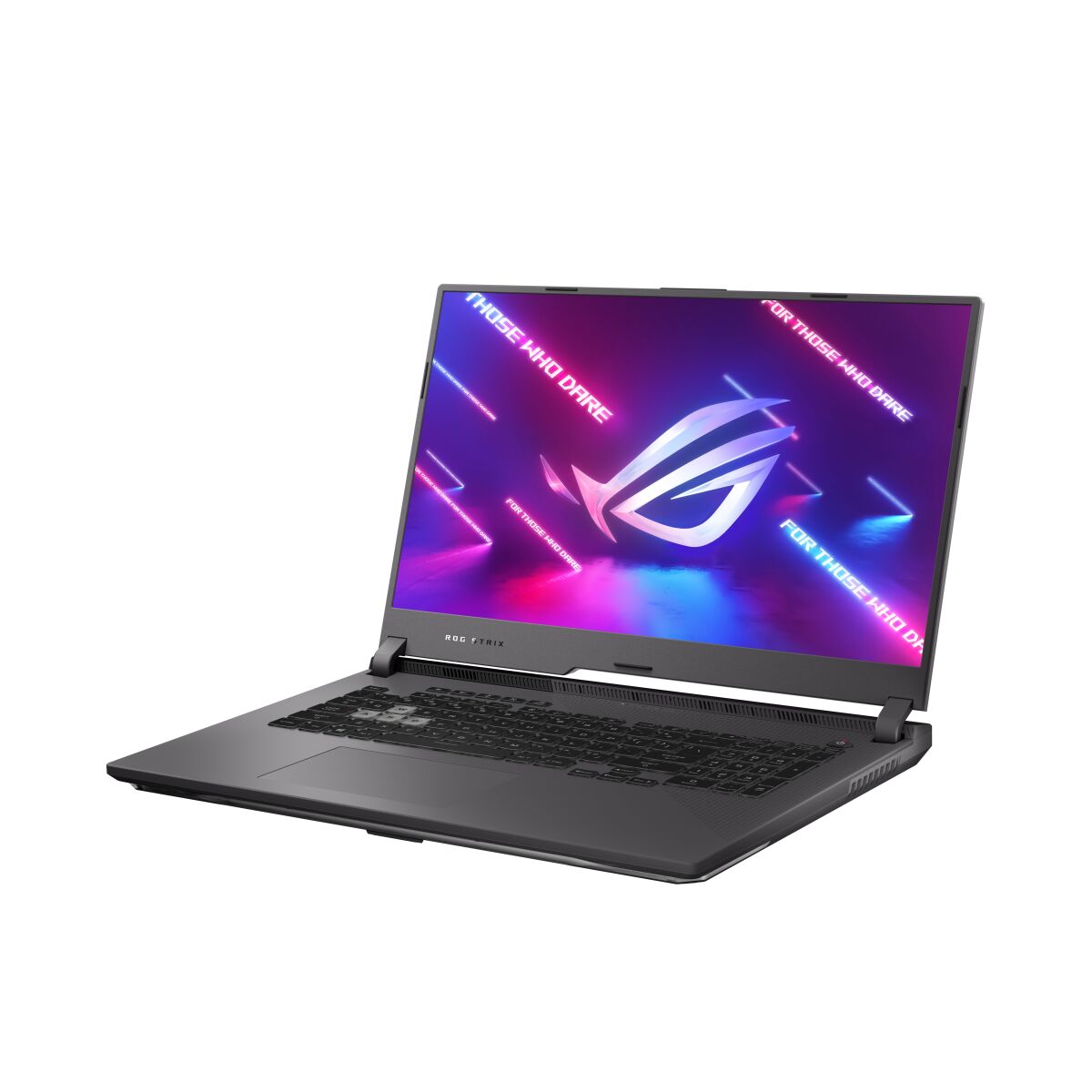
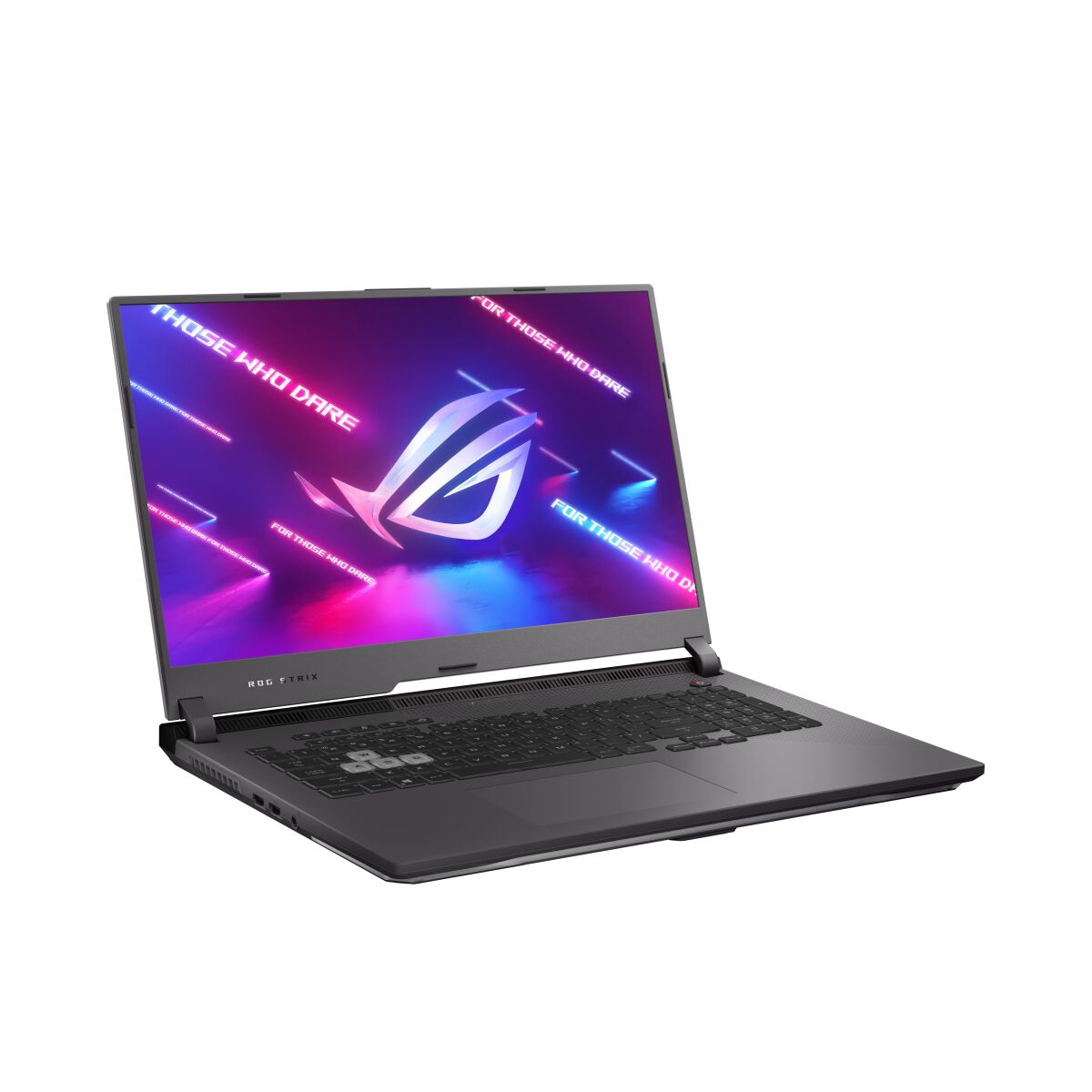
ASUS ROG Strix G17 G713QR-HG112T memory upgrade specifications indicate DDR4-SDRAM compatibility with 2x SO-DIMM slots. Maximum RAM capacity reaches 32 GB total, supporting 3200 MHz frequency operation. Compatible SO-DIMM modules enable memory expansion to specifications maximum capacity. Upgrade configurations accommodate standard DDR4 memory modules for enhanced system performance and multitasking capabilities on gaming laptop platform.
Memory Upgrade Specifications
| Specification | Value |
|---|---|
| Memory slots | 2x SO-DIMM |
| Form factor | SO-DIMM |
| Memory type | DDR4-SDRAM |
| Frequency | 3200 MHz |
| Maximum RAM | 32 GB |
| Voltage | 1.2V |
| Number of pins | 260-pin |
| Interface | PC4 |
| PC Speed Rating | PC4-3200 (PC4-25600) |
| Bandwidth | 25.6 GB/s |
| Laptop Release date | 31 January 2021 |
Additional Notes
- The ASUS ROG G713QR-HG112T restricts total system memory to 32 GB, requiring modules no larger than 16 GB each when both slots are populated.
- DDR4-3200 represents the supported specification, meaning faster modules rated at 3600 MHz or higher will downclock to operate at 3200 MHz if installed.
- SO-DIMM modules designed for desktop systems (full-size DIMM) are physically incompatible with the available slots.
- Dual-channel operation requires matched pairs of identical capacity modules installed in both slots to achieve maximum memory bandwidth.
- Single-channel configurations using only one populated slot will halve theoretical memory throughput compared to dual-channel setups.
- Memory modules exceeding JEDEC DDR4-3200 voltage specifications may cause stability issues or fail to initialize during POST.
- The 2-slot configuration prevents future expansion beyond 32 GB without removing existing modules, potentially wasting prior investment.
- Non-standard timing profiles or XMP/DOCP configurations may require manual BIOS adjustment or revert to default JEDEC timings automatically.
- Mixing different module capacities across the two slots will force the system to operate in flex mode or asymmetric dual-channel with reduced efficiency.
- ECC (Error-Correcting Code) memory modules are typically unsupported on consumer-grade laptop platforms despite sharing the DDR4 SO-DIMM form factor.