ASUS ROG G713QR-HX010T RAM upgrade specifications
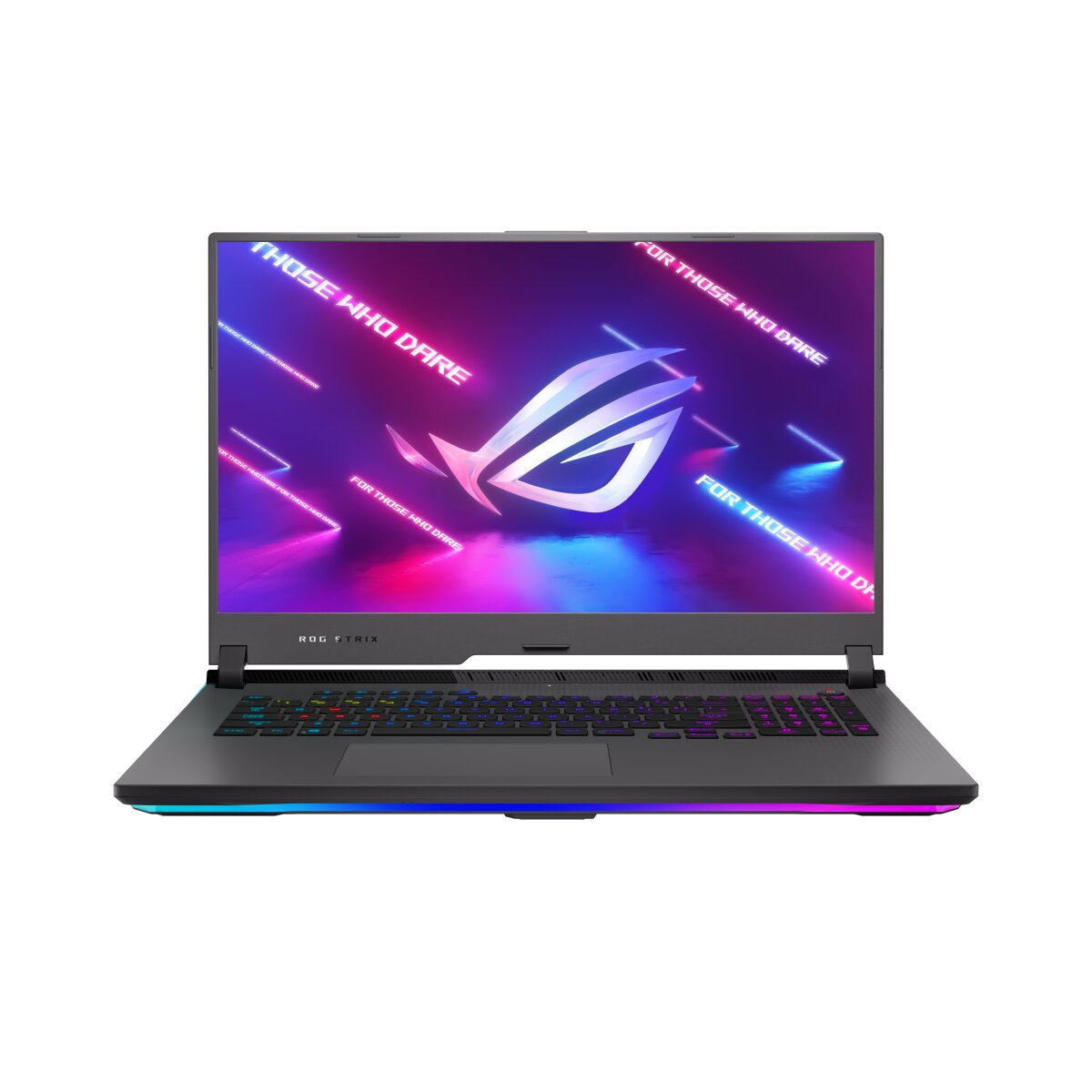

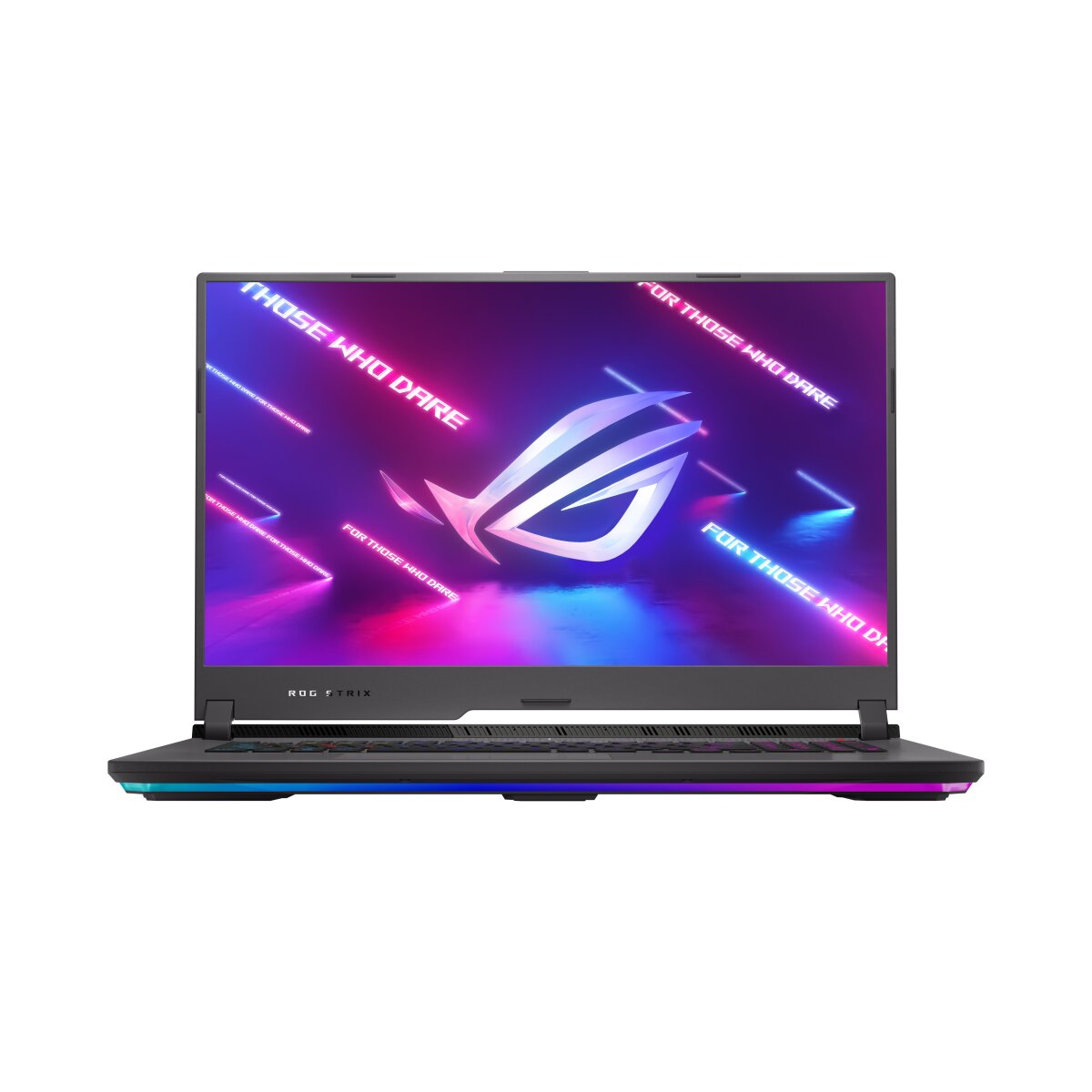


The ASUS ROG Strix G17 G713QR-HX010T gaming laptop features DDR4-SDRAM memory upgrade specifications with 2x SO-DIMM slots. Maximum RAM capacity reaches 32 GB total, supporting memory modules operating at 3200 MHz frequency. SO-DIMM form factor memory modules are compatible with this laptop model for upgrade purposes. Current specifications and maximum supported memory capacity are detailed for prospective RAM upgrades to enhance system performance on the ASUS G713QR-HX010T platform.
Memory Upgrade Specifications
| Specification | Value |
|---|---|
| Memory slots | 2x SO-DIMM |
| Form factor | SO-DIMM |
| Memory type | DDR4-SDRAM |
| Frequency | 3200 MHz |
| Maximum RAM | 32 GB |
| Voltage | 1.2V |
| Number of pins | 260-pin |
| Interface | PC4 |
| PC Speed Rating | PC4-3200 (PC4-25600) |
| Bandwidth | 25.6 GB/s |
| Laptop Release date | 22 November 2021 |
Additional Notes
- The ASUS ROG G713QR-HX010T accommodates maximum 32 GB total capacity, achievable only through dual 16 GB modules; single-module configurations leave half the memory bandwidth unutilized and forfeit dual-channel performance benefits.
- DDR4-3200 MHz represents the platform's rated specification, but actual operational frequency depends on BIOS configuration and processor memory controller support; aftermarket modules rated above 3200 MHz will downclock to this ceiling unless manual overclocking is enabled in firmware.
- SO-DIMM form factor imposes strict physical constraints; standard desktop DDR4 UDIMM modules are mechanically incompatible and cannot be force-fitted, requiring replacement modules to match the exact compact laptop form factor specification.
- Memory upgrade beyond 32 GB is technologically impossible within this platform's architecture; the 2-slot SO-DIMM configuration and firmware limitations establish an absolute ceiling that cannot be circumvented through standard warranty-compliant methods.
- Mixing memory modules of differing speeds, capacities, or latencies creates asymmetric channel configurations; the system will typically synchronize all memory to the slowest module's specifications, reducing throughput efficiency across both channels.
- DDR4 memory pricing and availability have entered terminal decline phases as DDR5 adoption accelerates; procuring replacement modules may present sourcing challenges within 24 to 36 months, warranting consideration of maximum-capacity upgrades performed sooner rather than later.