ASUS ROG G713QR-HX599T RAM upgrade specifications
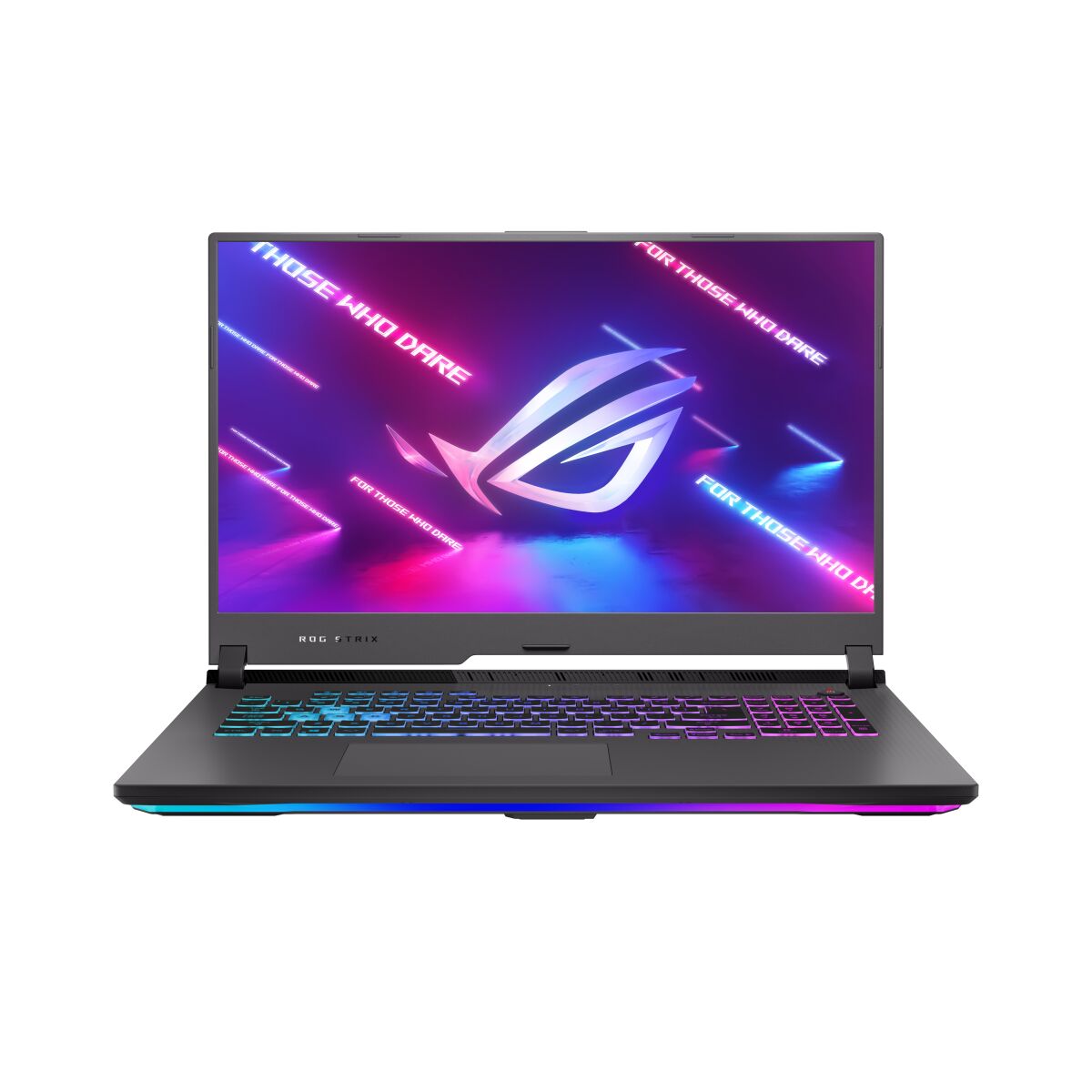
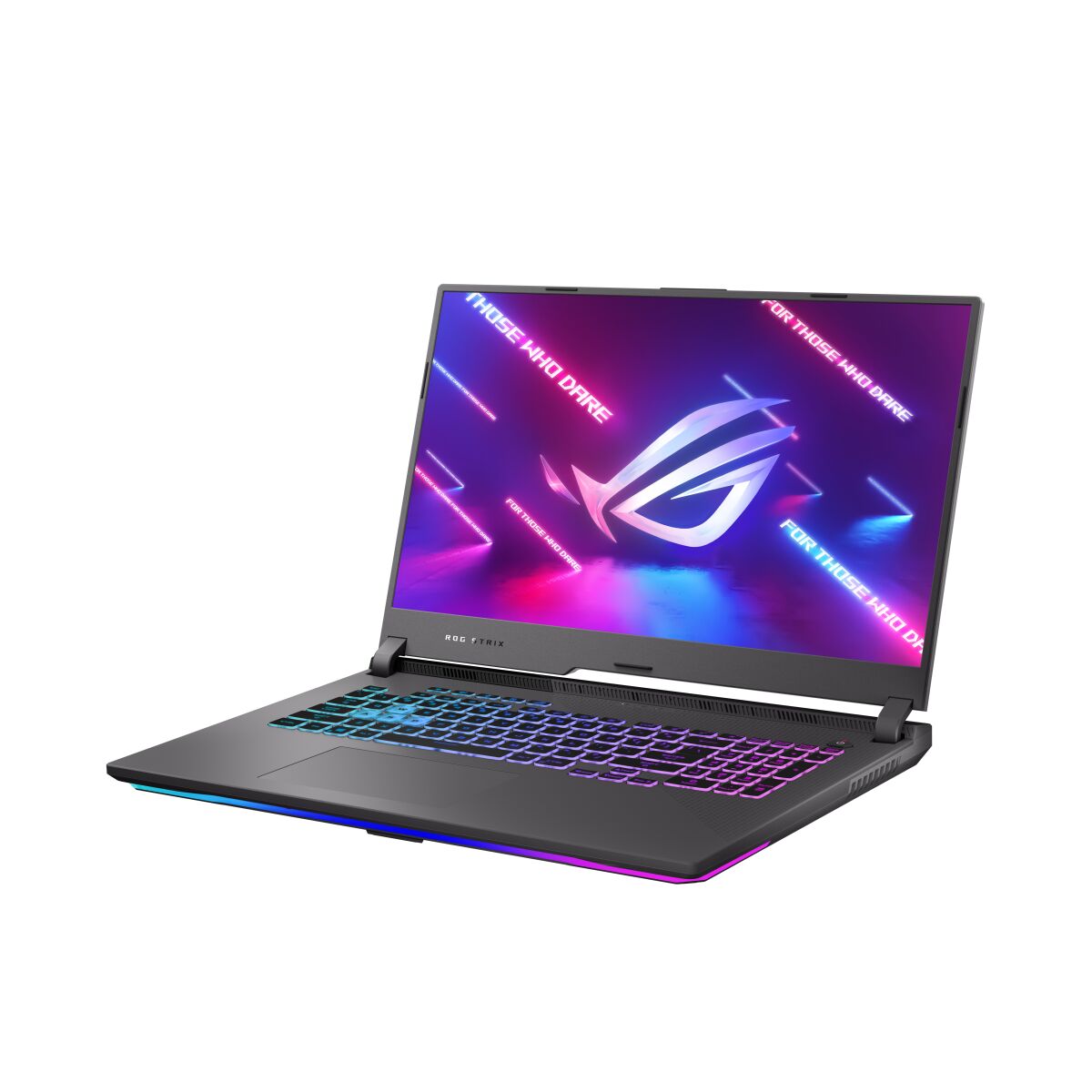
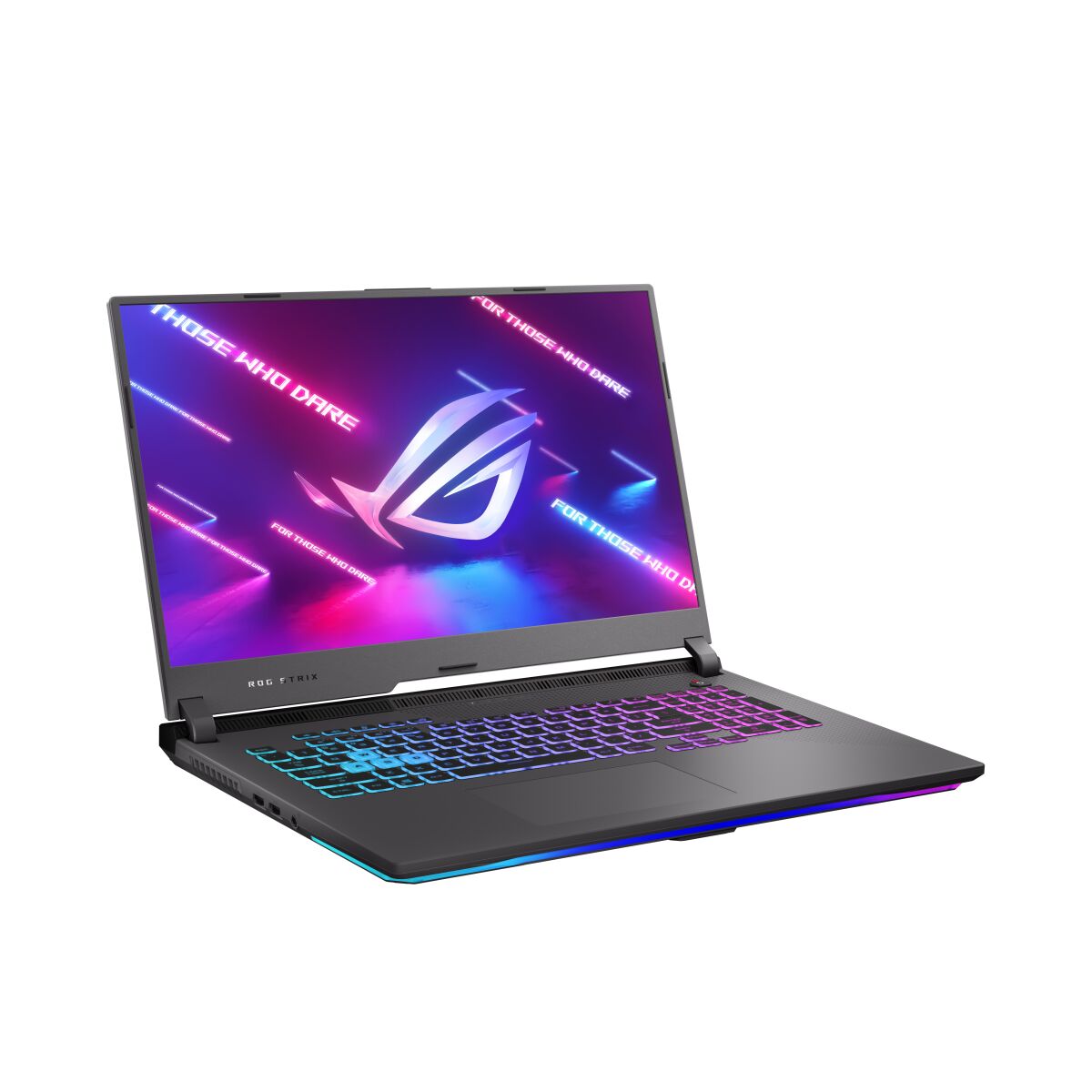
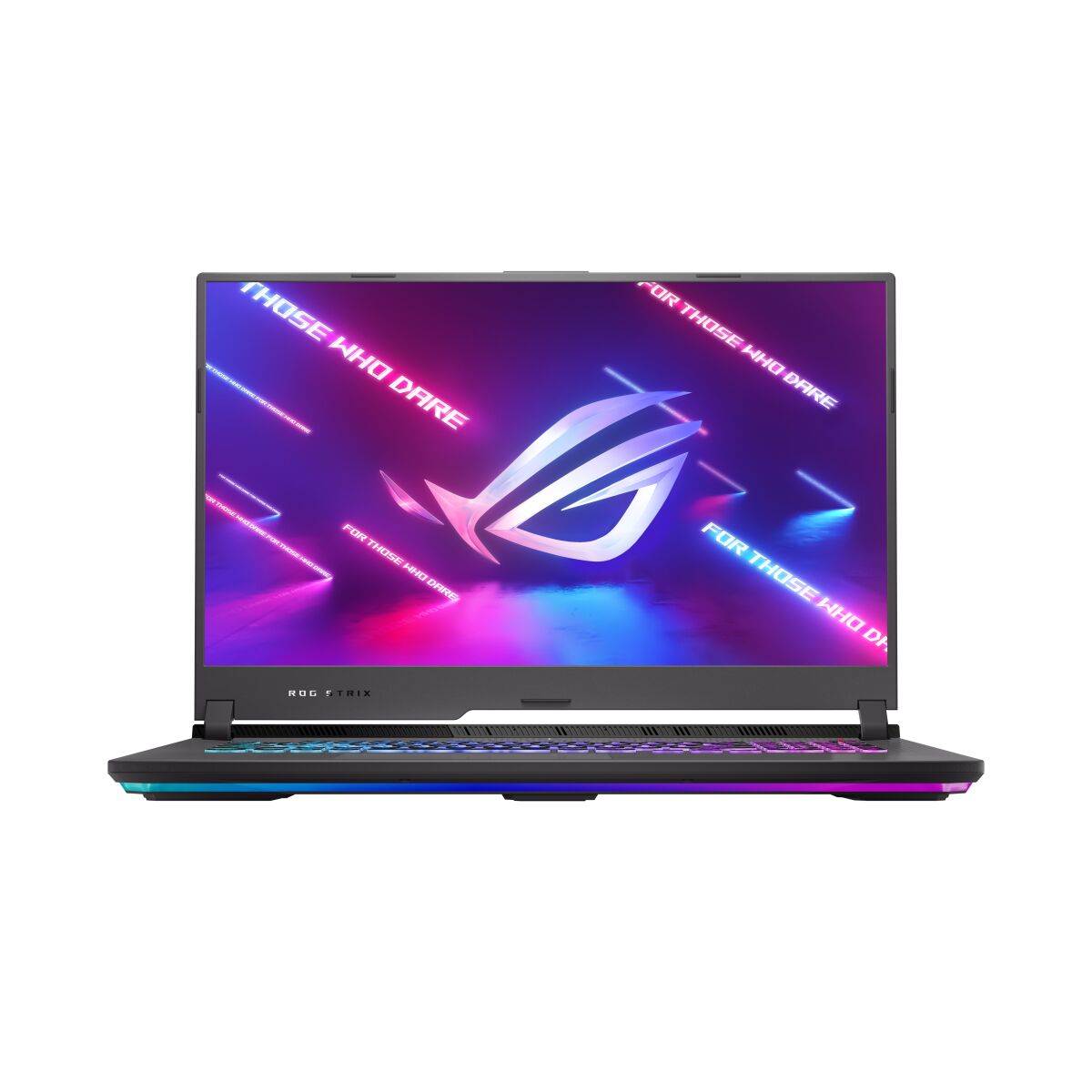
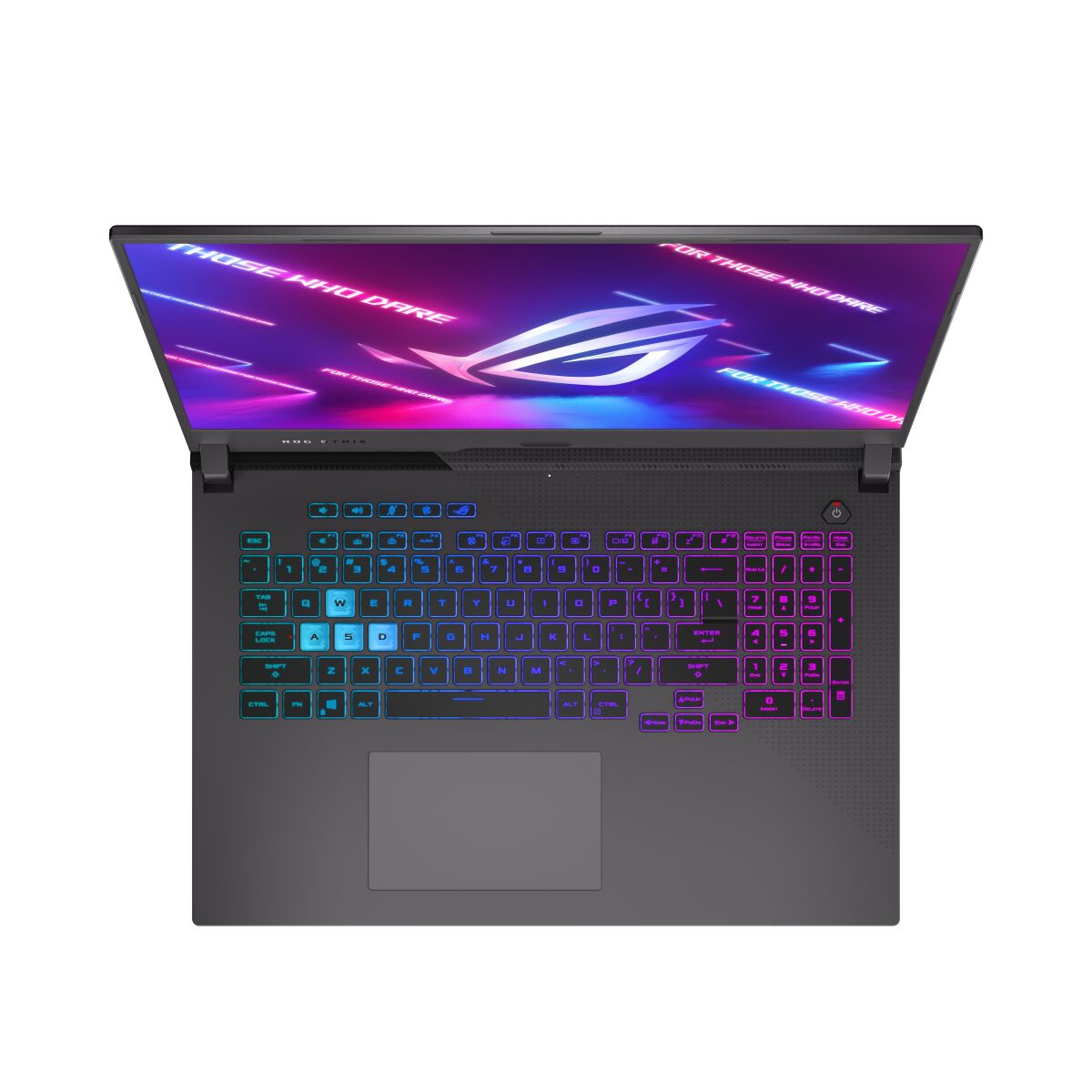
ASUS ROG Strix G17 G713QR-HX599T laptop memory upgrade specifications. Equipped with 2x SO-DIMM slots supporting DDR4-SDRAM memory at 3200 MHz frequency. Maximum RAM capacity reaches 32 GB total. Compatible memory modules utilize SO-DIMM form factor. Upgrade specifications enable hardware expansion for enhanced multitasking performance and resource-intensive applications on gaming and professional workstations.
Memory Upgrade Specifications
| Specification | Value |
|---|---|
| Memory slots | 2x SO-DIMM |
| Form factor | SO-DIMM |
| Memory type | DDR4-SDRAM |
| Frequency | 3200 MHz |
| Maximum RAM | 32 GB |
| Voltage | 1.2V |
| Number of pins | 260-pin |
| Interface | PC4 |
| PC Speed Rating | PC4-3200 (PC4-25600) |
| Bandwidth | 25.6 GB/s |
| Laptop Release date | 04 April 2021 |
Additional Notes
- The dual channel configuration requires matching modules to reach peak memory bandwidth and prevent system-level micro-stutter during high-load gaming sessions.
- The Zen 3 architecture within the ASUS ROG G713QR-HX599T relies heavily on memory frequency for Infinity Fabric synchronization, meaning any installation of modules rated lower than 3200 MHz will result in a global performance penalty for the CPU.
- Occupancy of both SO-DIMM slots implies that reaching the maximum capacity requires the removal and replacement of existing factory modules rather than simple addition.
- Utilizing memory with high CL latency ratings will bottleneck the processor despite reaching the target frequency, as the system does not support XMP profiles for manual timing adjustments in the BIOS.
- Physical access to the RAM slots involves the careful disconnection of internal LED ribbon cables attached to the chassis floor to avoid permanent hardware damage during the upgrade process.
- The 32 GB threshold represents a firmware-defined limit that discourages the use of high-density 32 GB single sticks, as the motherboard may fail to initialize during POST with 64 GB total.
- Standard voltage DDR4 modules are required because the motherboard lacks the power delivery overhead for over-volted performance memory kits.