ASUS ROG G713RM-LL222W RAM upgrade specifications




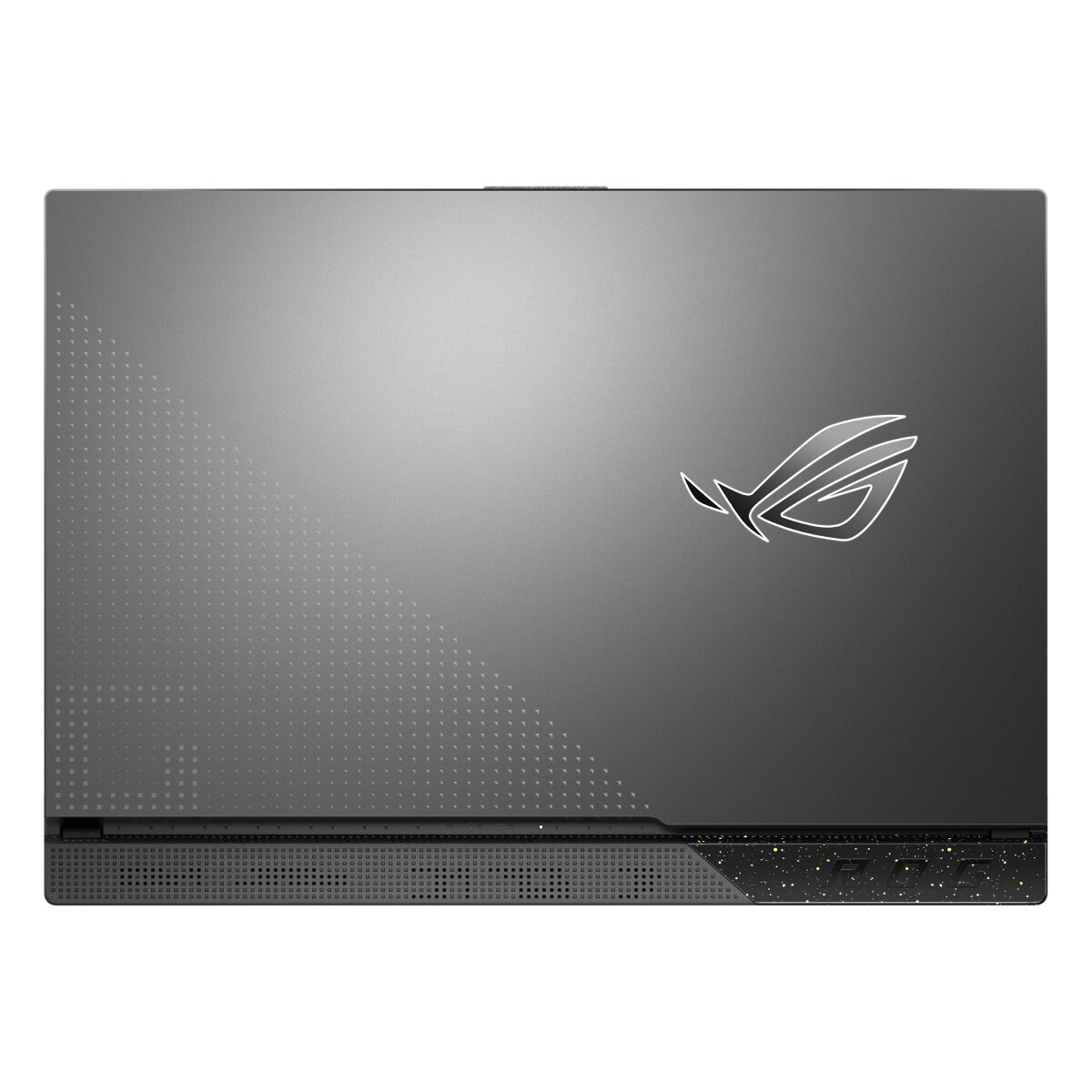
ASUS ROG Strix G17 model G713RM-LL222W supports DDR5-SDRAM memory upgrades. The laptop features 2x SO-DIMM slots for RAM expansion, accommodating a maximum capacity of 32 GB total memory. Compatible DDR5 modules operate at 4800 MHz frequency. Specifications indicate SO-DIMM form factor memory modules required for upgrade compatibility with the G713RM-LL222W configuration.
Memory Upgrade Specifications
| Specification | Value |
|---|---|
| Memory slots | 2x SO-DIMM |
| Form factor | SO-DIMM |
| Memory type | DDR5-SDRAM |
| Frequency | 4800 MHz |
| Maximum RAM | 32 GB |
| Voltage | 1.1V |
| Number of pins | 262-pin |
| Interface | PC5 |
| PC Speed Rating | PC5-4800 (PC5-38400) |
| Bandwidth | 38.4 GB/s |
Additional Notes
- The ASUS ROG G713RM-LL222W implements DDR5 technology, which operates at higher voltages than DDR4 and requires motherboard firmware capable of training DDR5 modules during POST.
- The 32 GB maximum capacity constraint suggests chipset-level addressing limitations rather than slot count restrictions, preventing the use of higher-density modules exceeding 16 GB per SO-DIMM.
- DDR5-4800 represents JEDEC baseline specification rather than overclocked speeds, meaning replacement modules rated at this frequency will function without XMP profile activation.
- Dual SO-DIMM configuration enables dual-channel memory operation when populated with matched pairs, effectively doubling theoretical bandwidth to 76.8 GB/s compared to single-channel implementation.
- SO-DIMM physical dimensions require clearance verification within the chassis, as some gaming laptops position memory modules beneath thermal solutions or structural components necessitating partial disassembly.
- DDR5 on-die ECC operates independently of user configuration and remains distinct from server-grade registered ECC modules, which are incompatible with this SO-DIMM implementation.
- Mixing DDR5 modules with different CAS latencies will force all installed memory to operate at the highest latency value present, potentially degrading performance below specifications.
- The 4800 MHz frequency ceiling prevents utilization of faster DDR5-5600 or DDR5-6400 modules at their rated speeds, as the memory controller will downclock to the supported maximum.
- Warranty preservation typically requires avoiding damage to retention clips and maintaining proper module orientation during installation, as bent pins on SO-DIMM slots render the entire memory subsystem inoperable.
- DDR5 voltage regulation occurs on the module itself rather than the motherboard, meaning incompatible or defective SPD programming can prevent system boot without BIOS-level intervention options.