ASUS ROG G814JI-N6051W RAM upgrade specifications




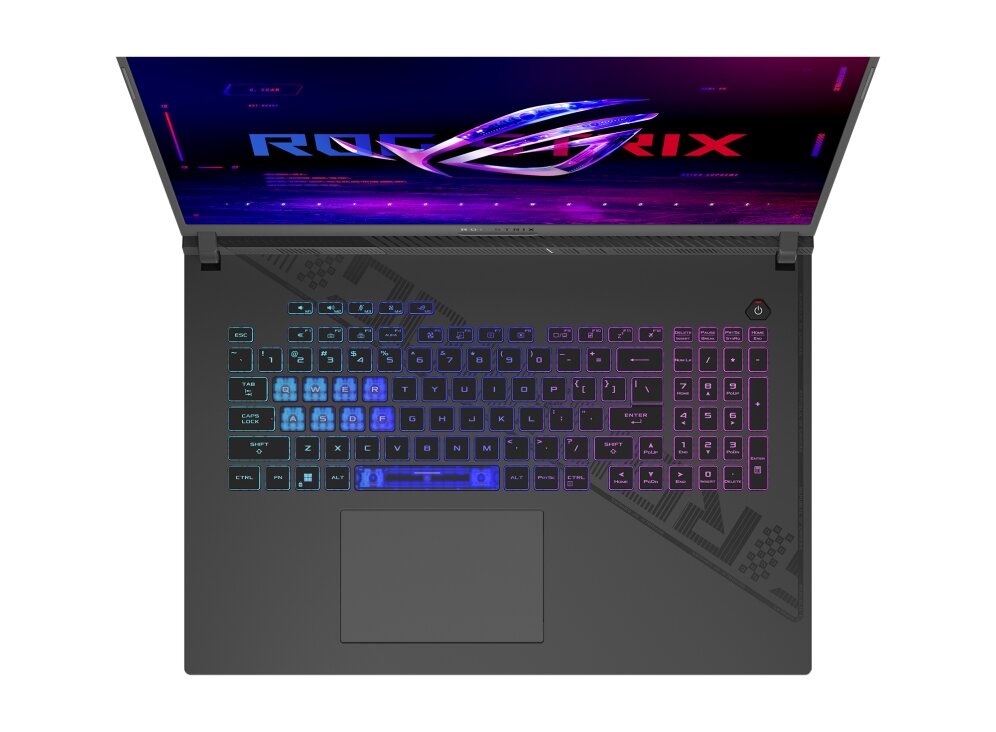
ASUS ROG Strix G18 G814JI-N6051W laptop features DDR5-SDRAM memory upgrade capability through two SO-DIMM slots. Maximum RAM capacity reaches 32 GB total. Memory specifications include DDR5-SDRAM technology operating at 4800 MHz frequency. Compatible upgrade modules must match SO-DIMM form factor and DDR5 specifications. Current configuration and available slots allow for memory expansion to maximize performance in supported applications.
Memory Upgrade Specifications
| Specification | Value |
|---|---|
| Memory slots | 2x SO-DIMM |
| Form factor | SO-DIMM |
| Memory type | DDR5-SDRAM |
| Frequency | 4800 MHz |
| Maximum RAM | 32 GB |
| Voltage | 1.1V |
| Number of pins | 262-pin |
| Interface | PC5 |
| PC Speed Rating | PC5-4800 (PC5-38400) |
| Bandwidth | 38.4 GB/s |
Additional Notes
- The ASUS ROG G814JI-N6051W accepts only DDR5 modules, meaning DDR4 or older generation memory is physically and electrically incompatible with the motherboard socket.
- SO-DIMM form factor restricts upgrades to laptop-specific modules, as standard desktop DIMM memory will not fit the smaller socket design.
- The 32 GB maximum capacity creates a hard ceiling where attempting to install higher-density modules may result in unrecognized memory or system instability.
- With 2 physical slots available, reaching the 32 GB limit requires installing 2 modules of 16 GB each, leaving no room for future expansion beyond this configuration.
- The 4800 MHz frequency represents the supported data rate, meaning faster modules may downclock to this speed or fail to initialize if the memory controller lacks support for higher frequencies.
- DDR5's dual-channel architecture per module means that even a single SO-DIMM operates in dual-channel mode internally, though populating both slots still provides optimal bandwidth distribution.
- Mixing modules with different speeds or timings across the 2 slots may force all memory to run at the lowest common specification, potentially degrading performance.
- The SO-DIMM slot design typically requires accessing the bottom panel or keyboard assembly, depending on chassis engineering, which may affect service accessibility without affecting warranty status if done correctly.
- DDR5's on-die ECC differs from traditional ECC SODIMM modules, meaning this system likely uses standard non-ECC consumer memory rather than server-grade variants.
- The 4800 MHz base frequency suggests JEDEC standard speed rather than XMP/EXPO profiles, which may or may not activate depending on BIOS support for overclocked memory profiles.