ASUS ROG G814JI-N6015W RAM upgrade specifications
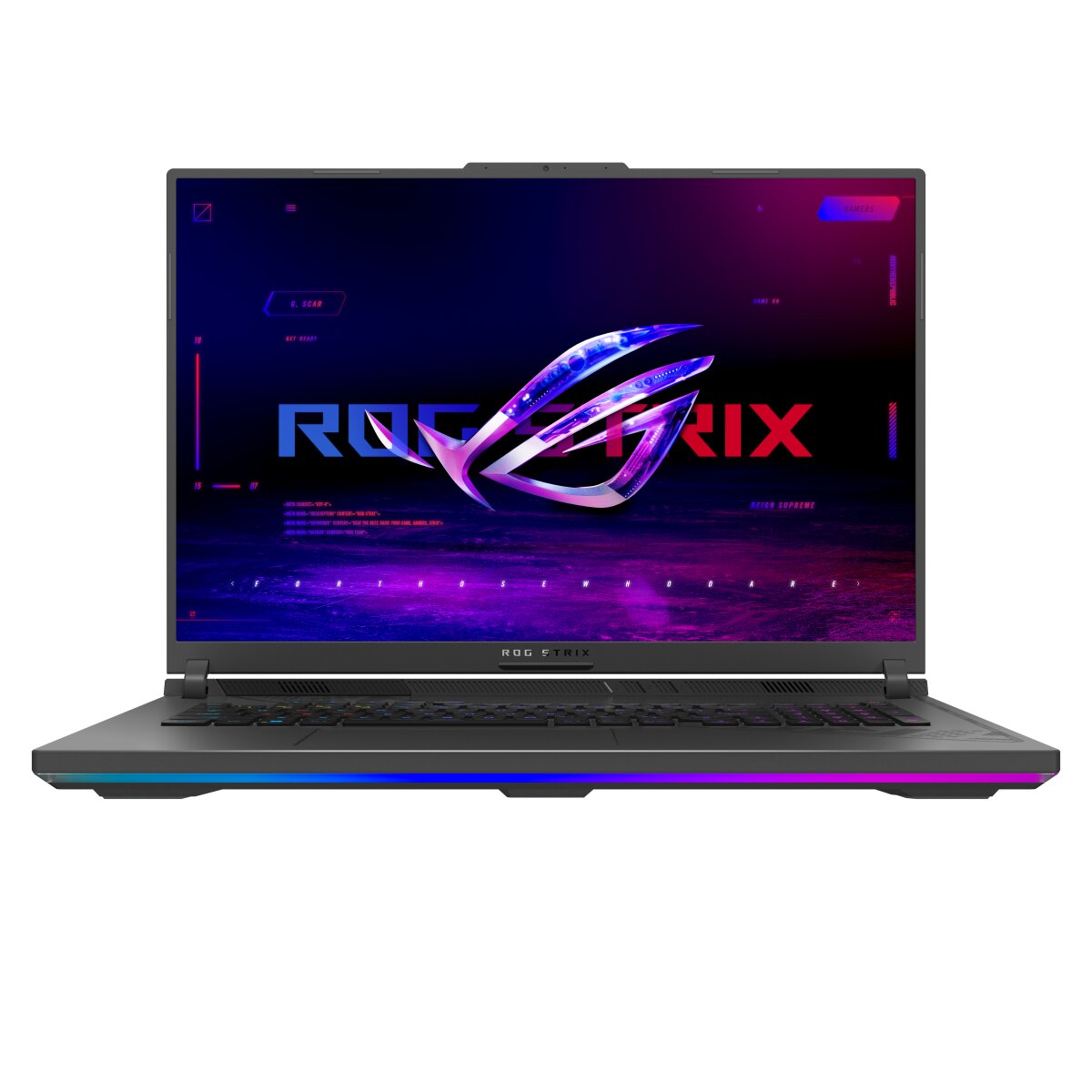

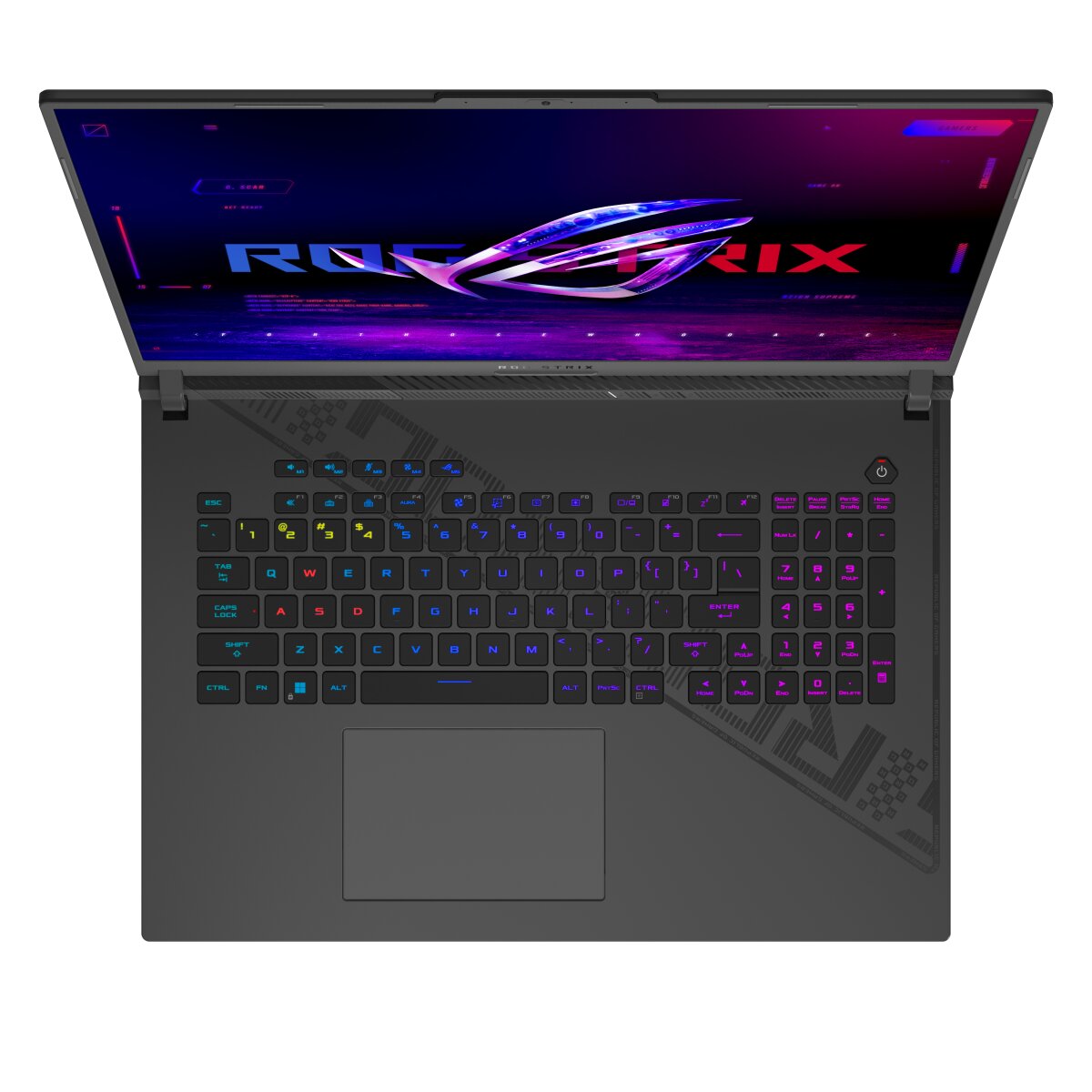
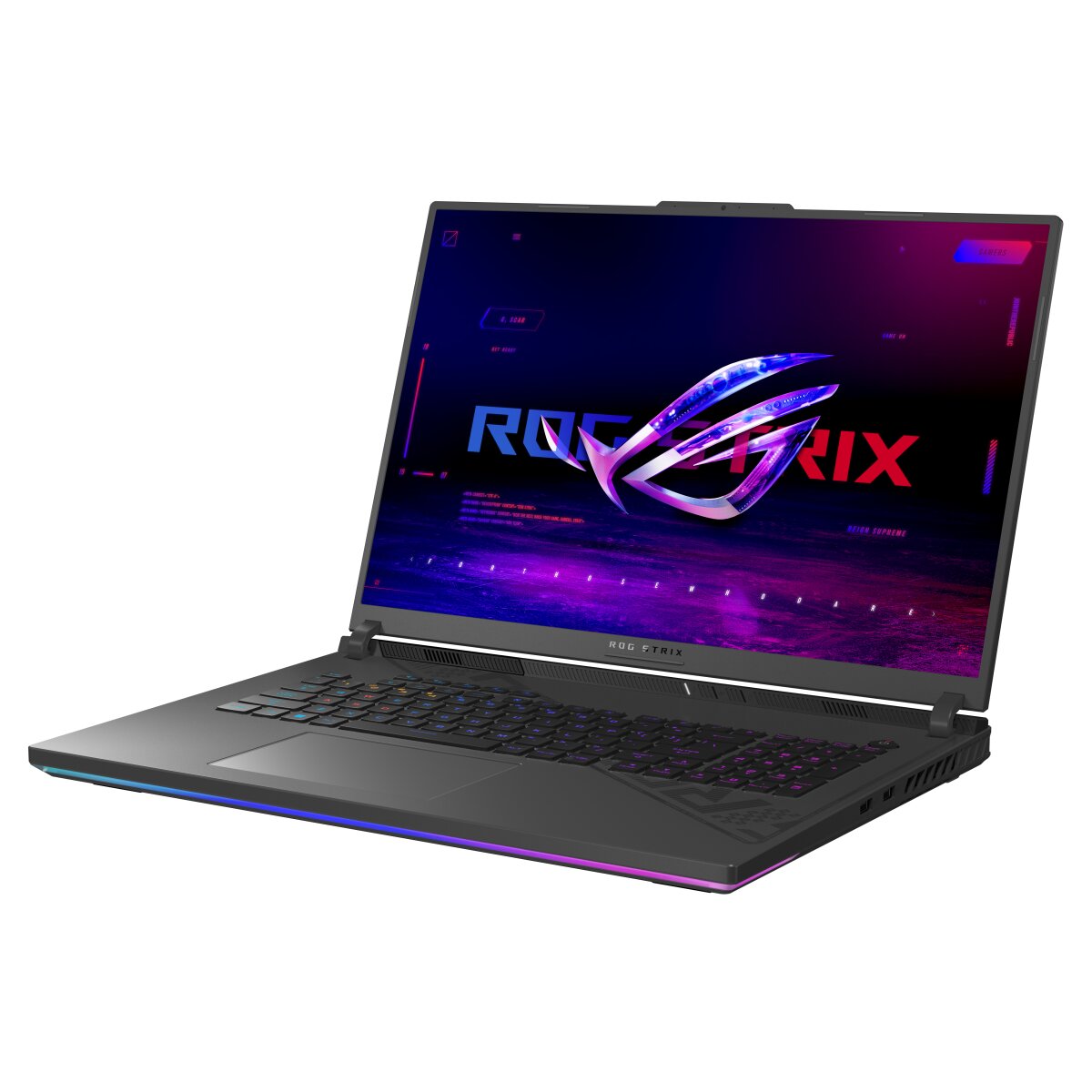
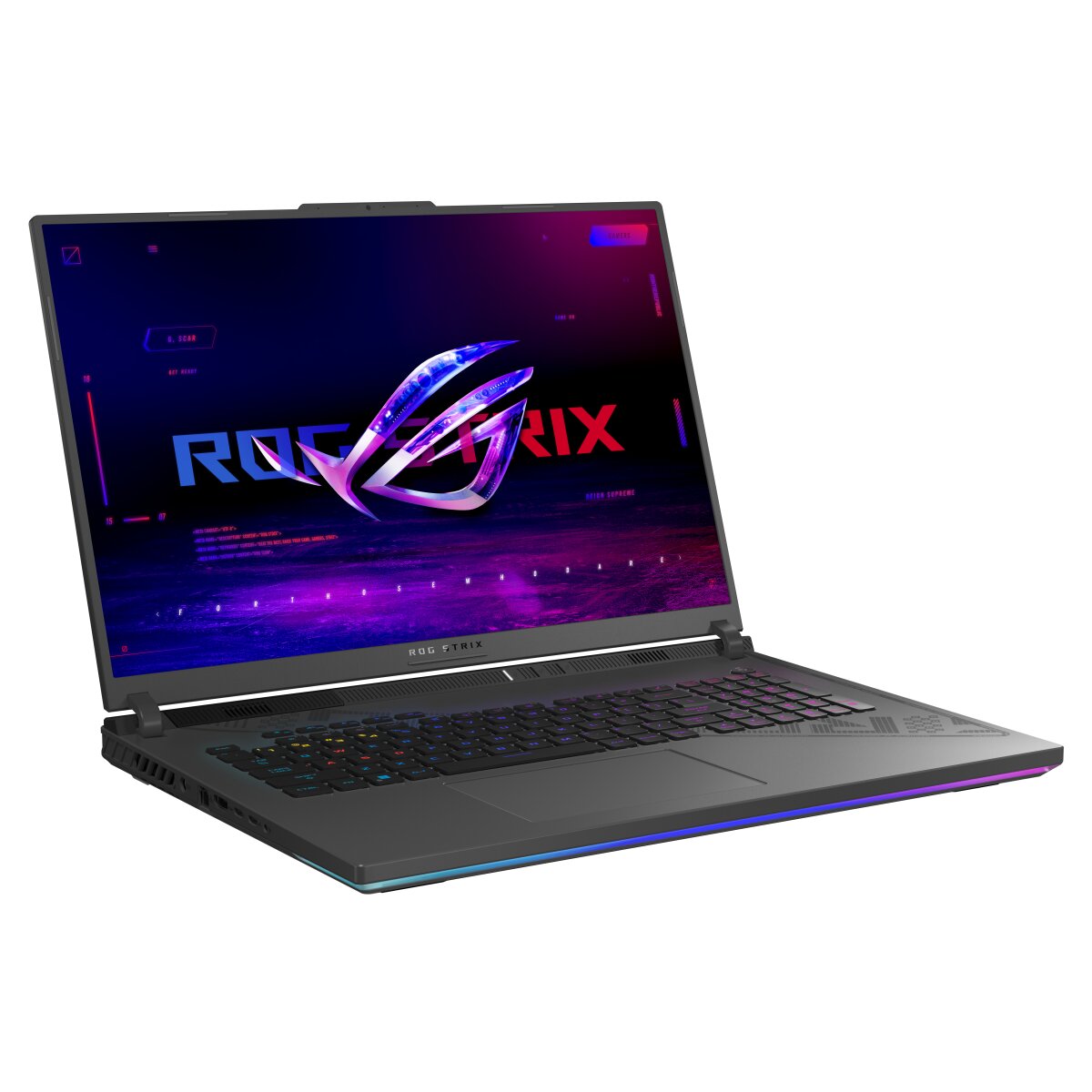
ASUS ROG Strix G18 G814JI-N6015W specifications indicate DDR5-SDRAM memory upgrade capacity. The laptop contains 2x SO-DIMM slots for RAM expansion. Maximum compatible memory capacity reaches 32 GB total. DDR5 modules operate at 4800 MHz frequency. SO-DIMM form factor specifications define upgrade slot compatibility. Memory upgrade options allow users to expand RAM on this gaming laptop model to the maximum 32 GB configuration supported by specifications.
Memory Upgrade Specifications
| Specification | Value |
|---|---|
| Memory slots | 2x SO-DIMM |
| Form factor | SO-DIMM |
| Memory type | DDR5-SDRAM |
| Frequency | 4800 MHz |
| Maximum RAM | 32 GB |
| Voltage | 1.1V |
| Number of pins | 262-pin |
| Interface | PC5 |
| PC Speed Rating | PC5-4800 (PC5-38400) |
| Bandwidth | 38.4 GB/s |
| Laptop Release date | 10 July 2023 |
Additional Notes
- The ASUS ROG G814JI-N6015W contains 2 SO-DIMM slots with a combined ceiling of 32 GB, meaning maximum expansion requires 2x16 GB modules rather than mixed capacities.
- DDR5-4800 MHz operation requires compatible memory modules specifically rated for this speed; DDR5 modules rated below 4800 MHz will operate at reduced frequencies, potentially degrading performance gains from the upgrade.
- SO-DIMM form factor constrains sourcing to laptop-grade memory only; desktop DDR5 modules are physically incompatible and cannot be retrofitted into this system.
- Dual-slot architecture with no additional expansion slots means users cannot add capacity beyond 32 GB; upgrade strategy is limited to replacement rather than additive scaling.
- The 4800 MHz specification operates at JEDEC standard timing; any modules rated for higher speeds (5200 MHz, 5600 MHz) will downclock to this native frequency unless manual overclocking is applied within the BIOS.
- DDR5 memory carries higher latency than equivalent DDR4 generations; bandwidth gains at 4800 MHz may be offset by increased clock-to-data delays, particularly affecting latency-sensitive workloads.
- Factory configurations likely shipped with single or dual lower-capacity modules; users should verify existing module specifications before purchasing to avoid duplicate redundancy or incompatible pairings.