ASUS ROG G814JI-N6109 RAM upgrade specifications
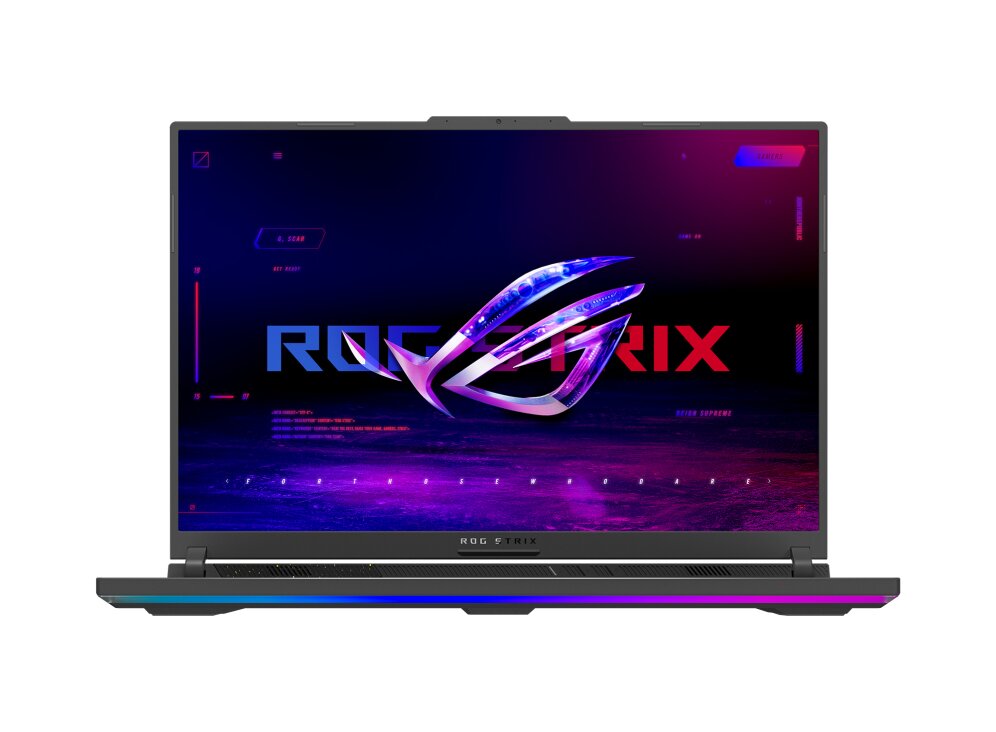

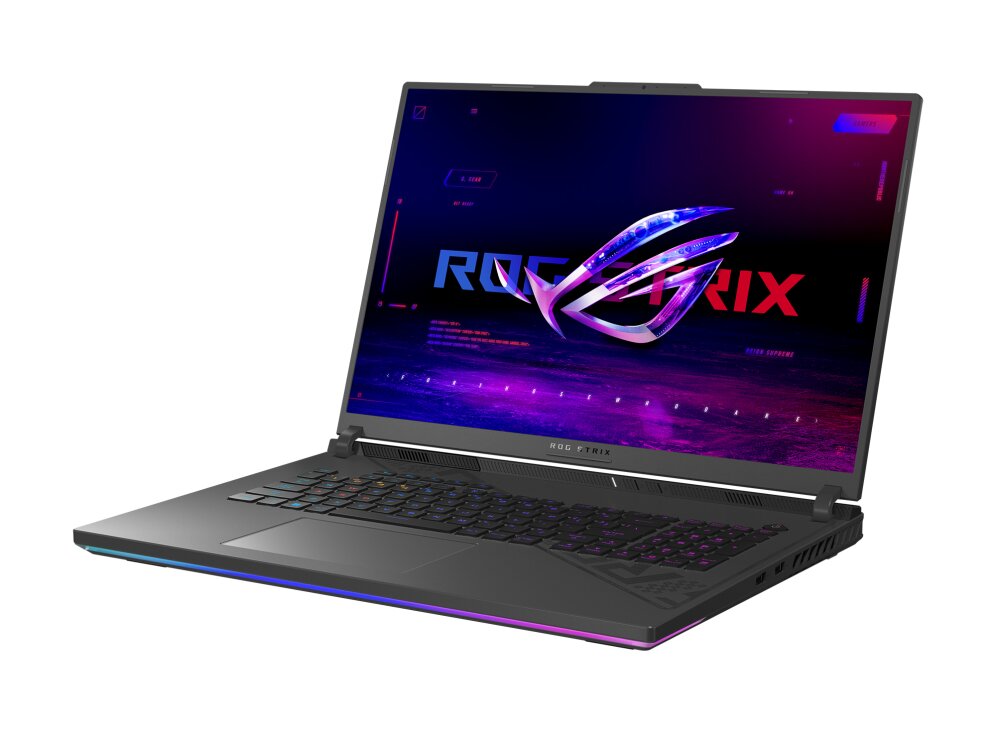

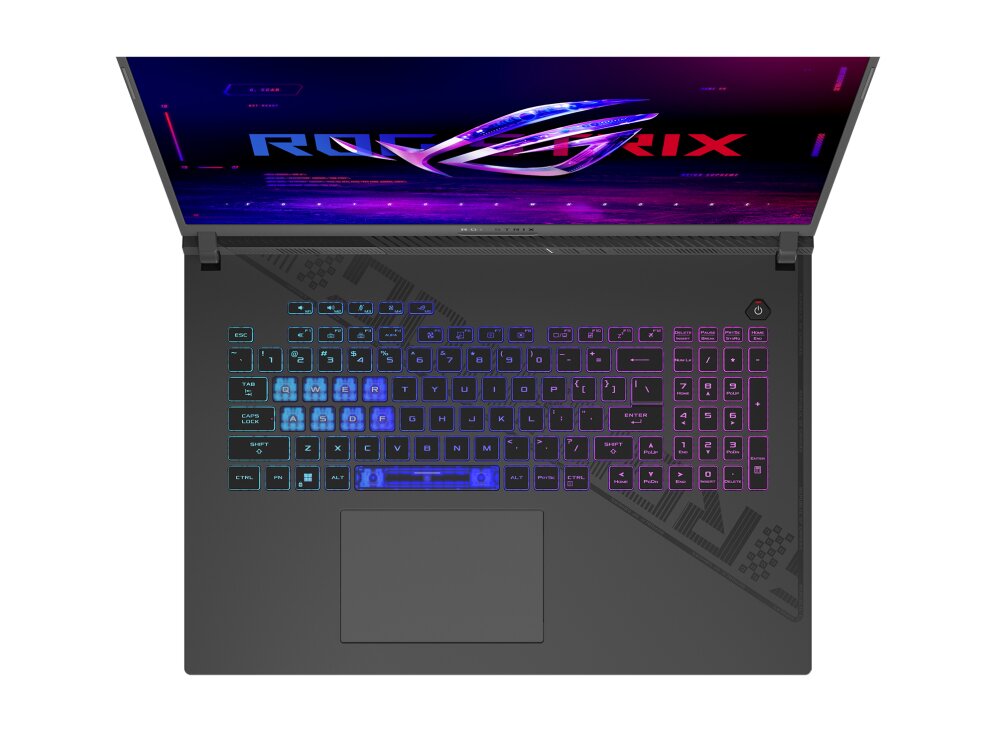
ASUS ROG Strix G18 G814JI-N6109 laptop features DDR5-SDRAM memory upgrade specifications with 2x SO-DIMM slots supporting maximum RAM capacity of 32 GB. Compatible memory modules operate at 4800 MHz frequency with SO-DIMM form factor. Upgrade slots accommodate standard DDR5 memory configurations for enhanced system performance and multitasking capabilities on gaming and professional workstations.
Memory Upgrade Specifications
| Specification | Value |
|---|---|
| Memory slots | 2x SO-DIMM |
| Form factor | SO-DIMM |
| Memory type | DDR5-SDRAM |
| Frequency | 4800 MHz |
| Maximum RAM | 32 GB |
| Voltage | 1.1V |
| Number of pins | 262-pin |
| Interface | PC5 |
| PC Speed Rating | PC5-4800 (PC5-38400) |
| Bandwidth | 38.4 GB/s |
| Laptop Release date | 01 March 2023 |
Additional Notes
- The ASUS ROG G814JI-N6109 uses SO-DIMM slots, which are laptop-specific form factors incompatible with desktop DDR5 UDIMM modules. Replacement memory must match this compact profile exactly.
- With only 2 slots available, maximum expansion capacity is constrained to 32 GB total. Each slot must be populated with a 16 GB module to reach the ceiling; there is no upgrade path beyond this limit.
- DDR5-4800 MHz operation requires memory modules rated for 4800 MHz or higher to maintain specified performance. Installing slower DDR5 modules will downclock to their rated speed, reducing bandwidth throughput below the system's design specifications.
- Dual-channel memory architecture with 2 slots means mismatched capacities (e.g., one 16 GB and one 8 GB module) will result in asymmetrical dual-channel operation on the populated capacity, reducing effective bandwidth for the larger module.
- Factory SO-DIMM modules can typically be removed without voiding warranty if performed following manufacturer guidelines. Third-party DDR5 SO-DIMM replacements from certified vendors remain warranty-safe as long as specifications match the platform requirements.
- The 4800 MHz frequency on a 2-slot platform suggests a CPU with integrated graphics or discrete GPU that benefits from high-bandwidth memory. Underspecified modules may create latency bottlenecks in GPU-bound workloads despite adequate capacity.