ASUS ROG G814JI-N6140 RAM upgrade specifications
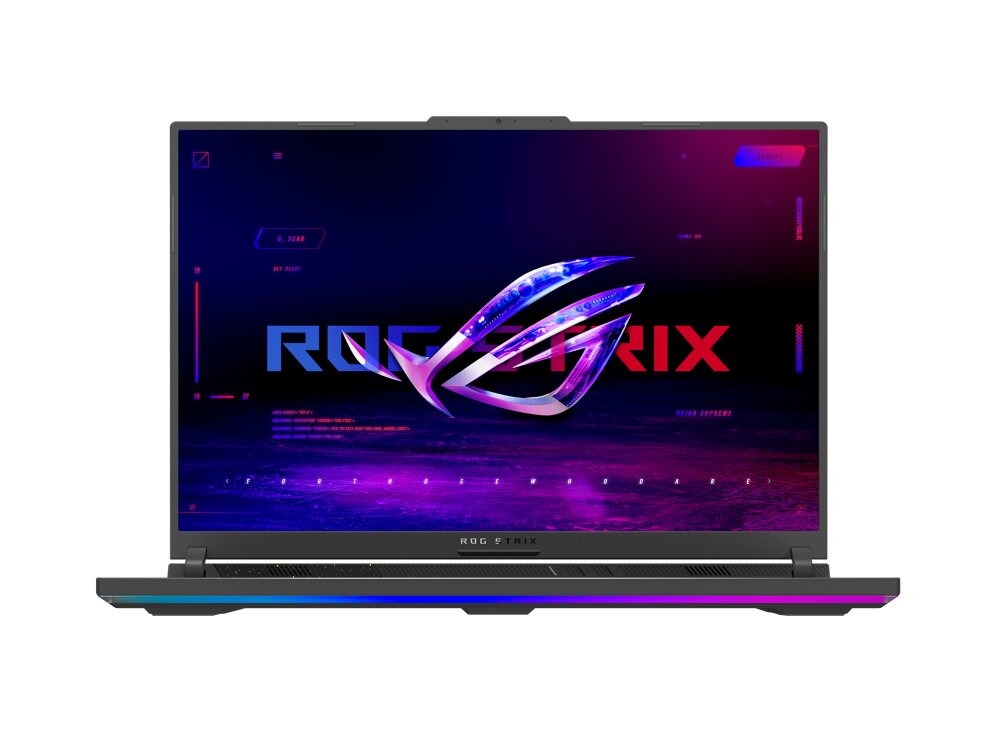
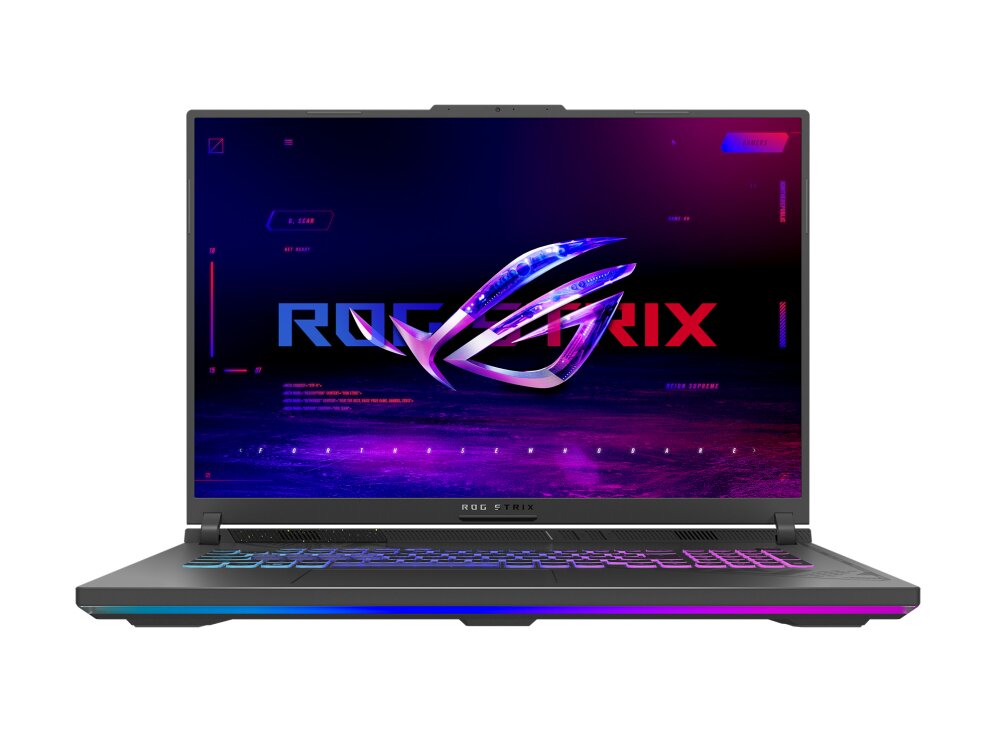
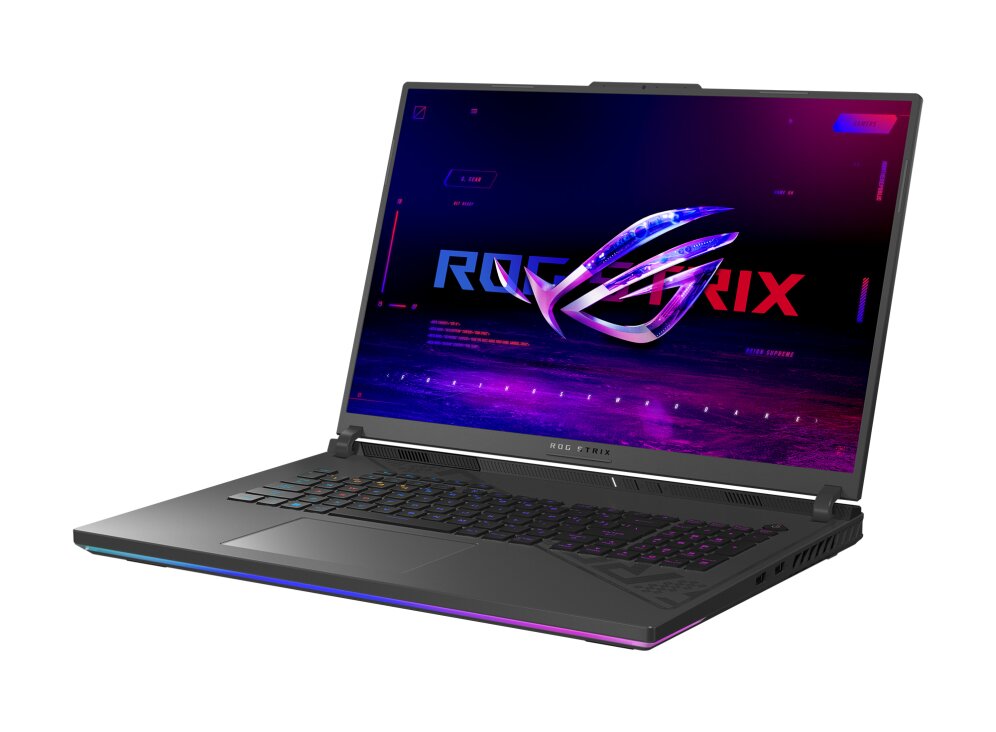
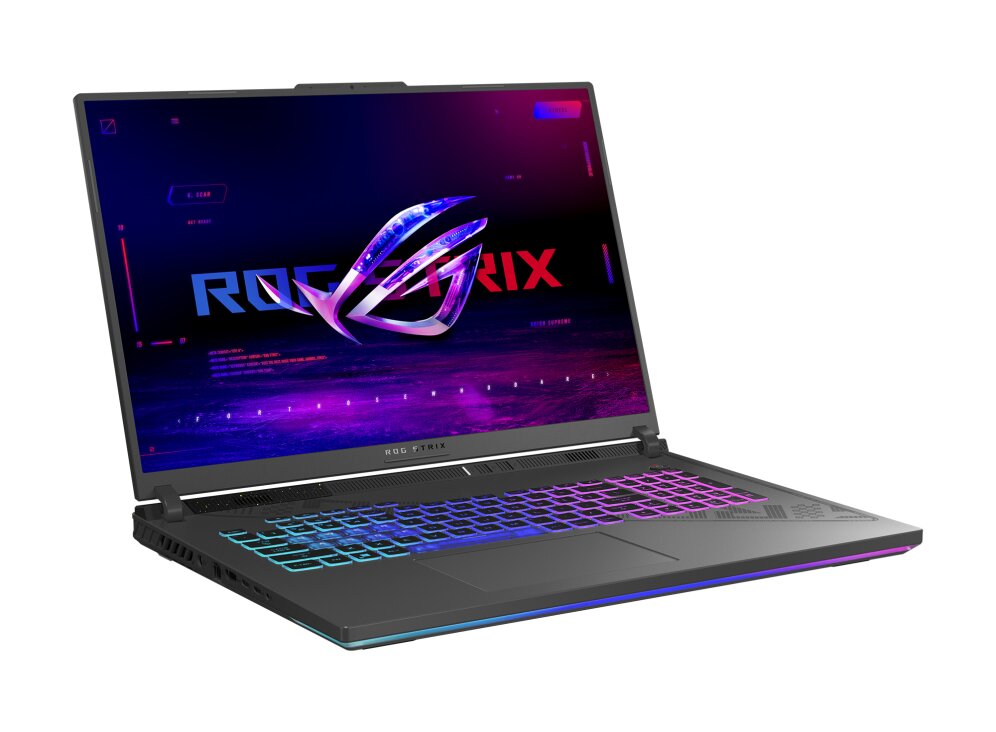
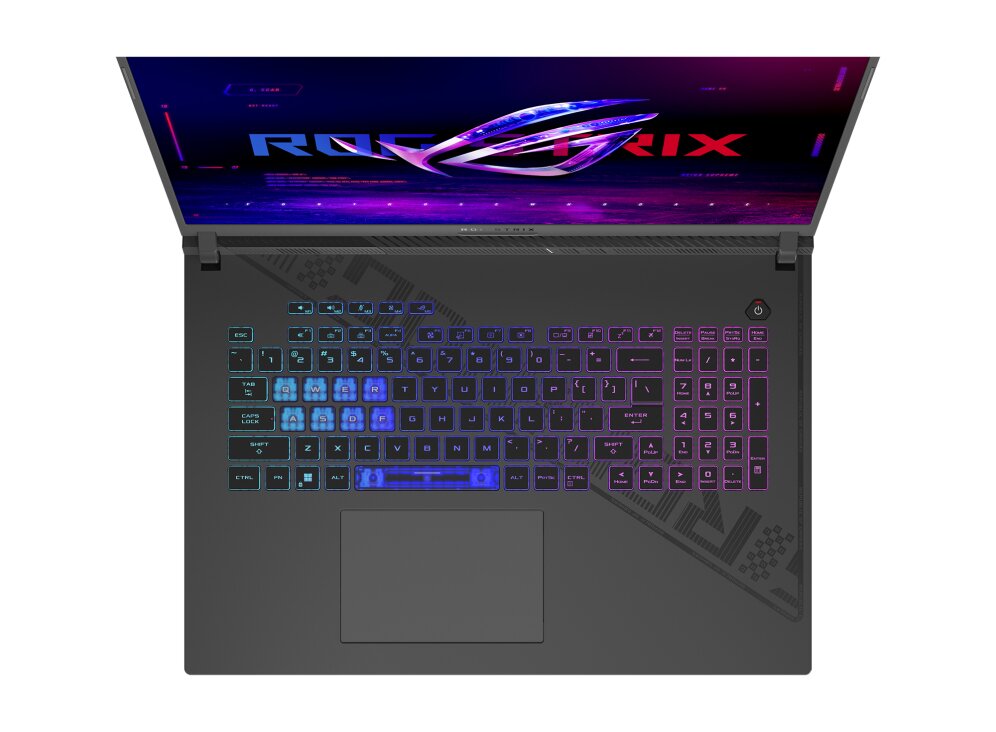
The ASUS ROG Strix G18 G814JI-N6140 features DDR5-SDRAM memory upgrade capabilities with two SO-DIMM slots supporting a maximum RAM capacity of 32 GB. The compatible memory operates at 4800 MHz frequency. Specifications indicate the laptop accommodates SO-DIMM form factor modules. Maximum memory specifications allow configurations up to 32 GB total capacity when both memory upgrade slots are populated with compatible DDR5 modules. The G814JI-N6140 gaming laptop supports standard DDR5-SDRAM specifications for memory expansion and system performance enhancement.
Memory Upgrade Specifications
| Specification | Value |
|---|---|
| Memory slots | 2x SO-DIMM |
| Form factor | SO-DIMM |
| Memory type | DDR5-SDRAM |
| Frequency | 4800 MHz |
| Maximum RAM | 32 GB |
| Voltage | 1.1V |
| Number of pins | 262-pin |
| Interface | PC5 |
| PC Speed Rating | PC5-4800 (PC5-38400) |
| Bandwidth | 38.4 GB/s |
| Laptop Release date | 10 June 2023 |
Additional Notes
- The 2 SO-DIMM slot configuration in the ASUS ROG G814JI-N6140 mandates that both slots must be populated simultaneously to achieve maximum capacity; single-module installations result in asymmetric dual-channel operation with reduced bandwidth efficiency.
- DDR5-4800 modules operate at JEDEC standard specifications, meaning third-party replacement modules certified for this speed class will function within warranty boundaries without requiring BIOS frequency adjustments.
- Reaching the 32 GB ceiling requires 2x16 GB module configuration; incremental upgrades from lower capacities necessitate complete module replacement rather than additive expansion, generating e-waste considerations.
- The SO-DIMM physical constraint inherent to this laptop form factor eliminates compatibility with standard UDIMM desktop RAM, restricting upgrade sourcing to mobile-grade inventory with inherently higher per-gigabyte costs.
- DDR5-4800 memory controllers embedded in the underlying processor architecture guarantee latency parity across qualified modules; performance variations between manufacturers remain negligible at this specification tier.
- Thermal dissipation from DDR5 modules operates within tighter margins than DDR4 equivalents; dense configurations approaching maximum capacity may require verification of heatspreader clearance within the laptop's memory compartment.
- The maximum 32 GB specification represents a hard ceiling enforced by the memory controller, preventing future-proof oversizing strategies; multi-generational retention of this platform becomes contingent on workload scaling constraints.