ASUS ROG G814JI-N6142 RAM upgrade specifications
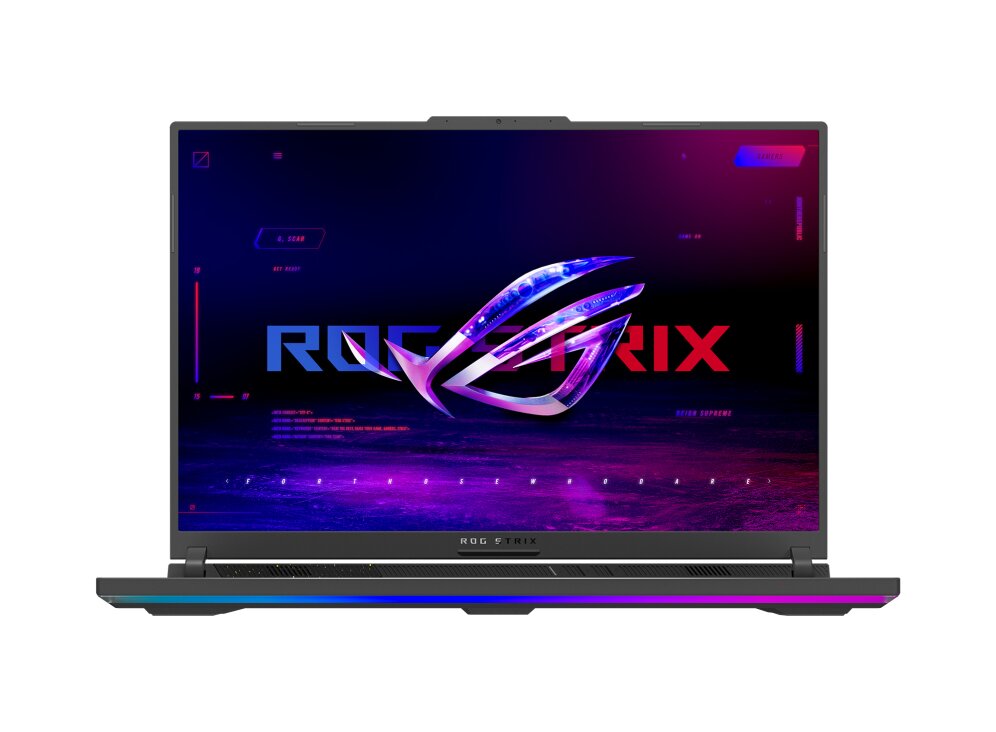
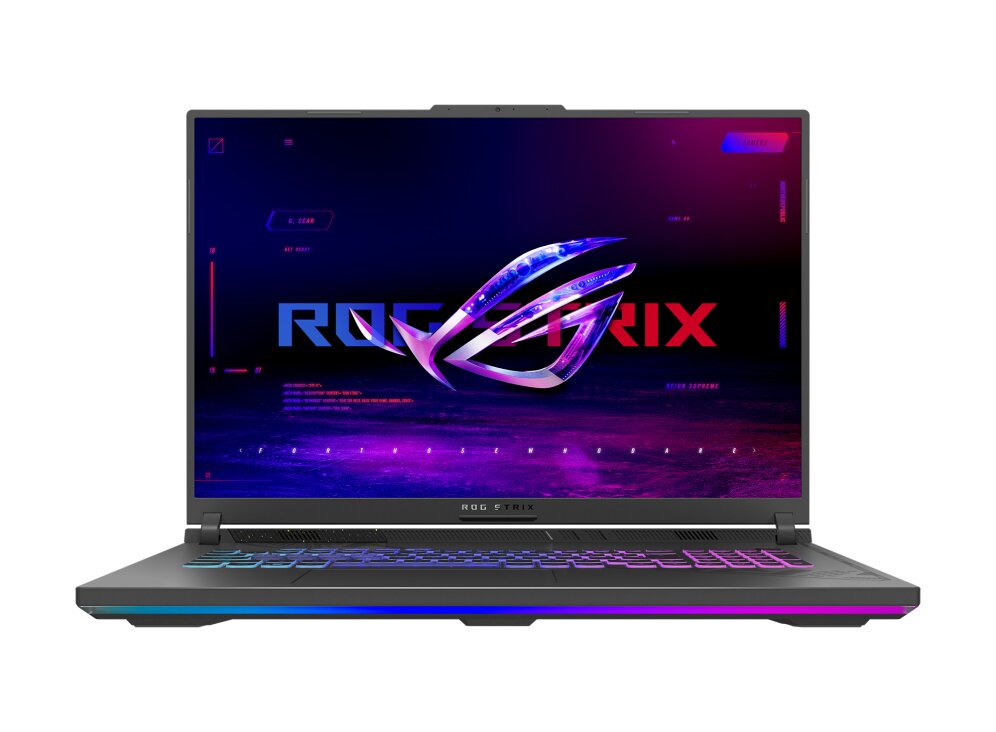
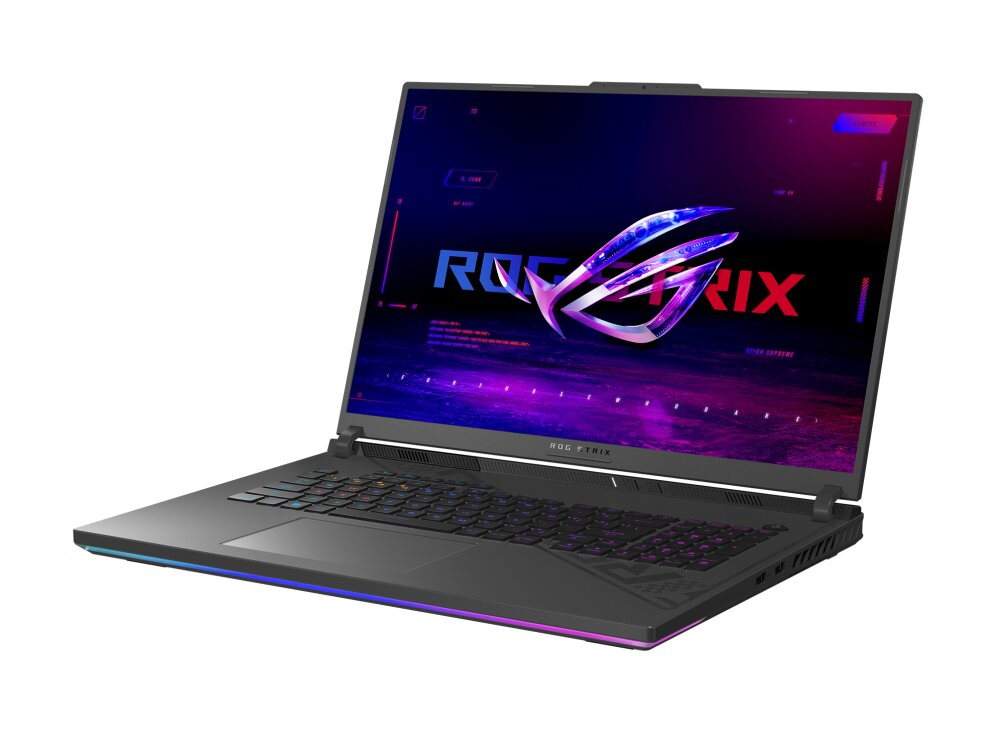
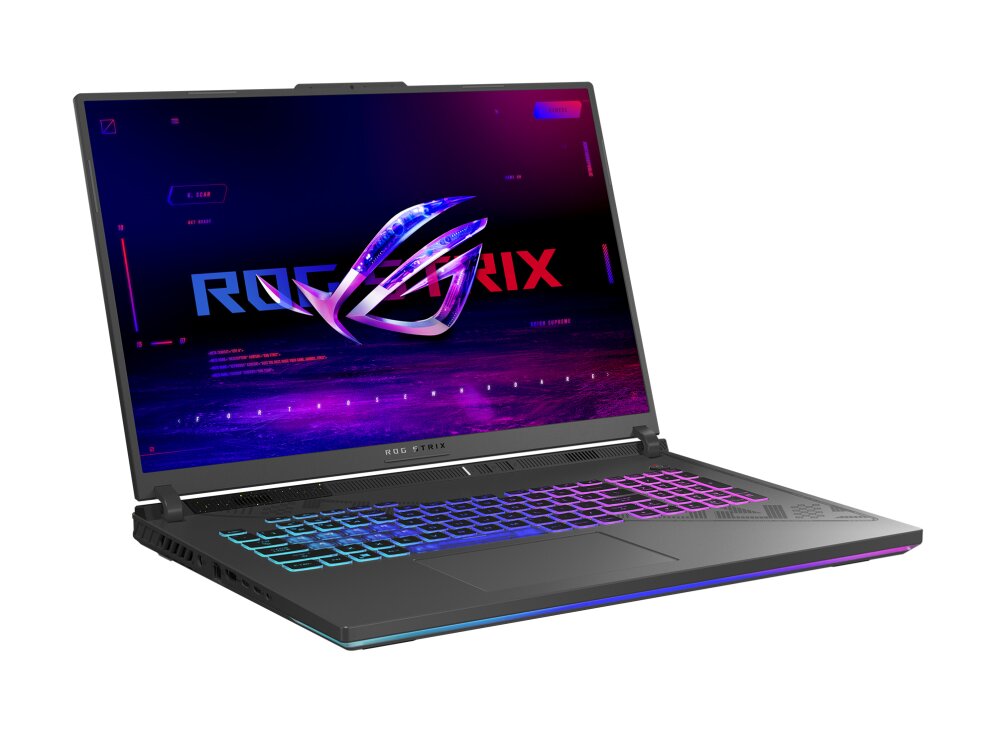
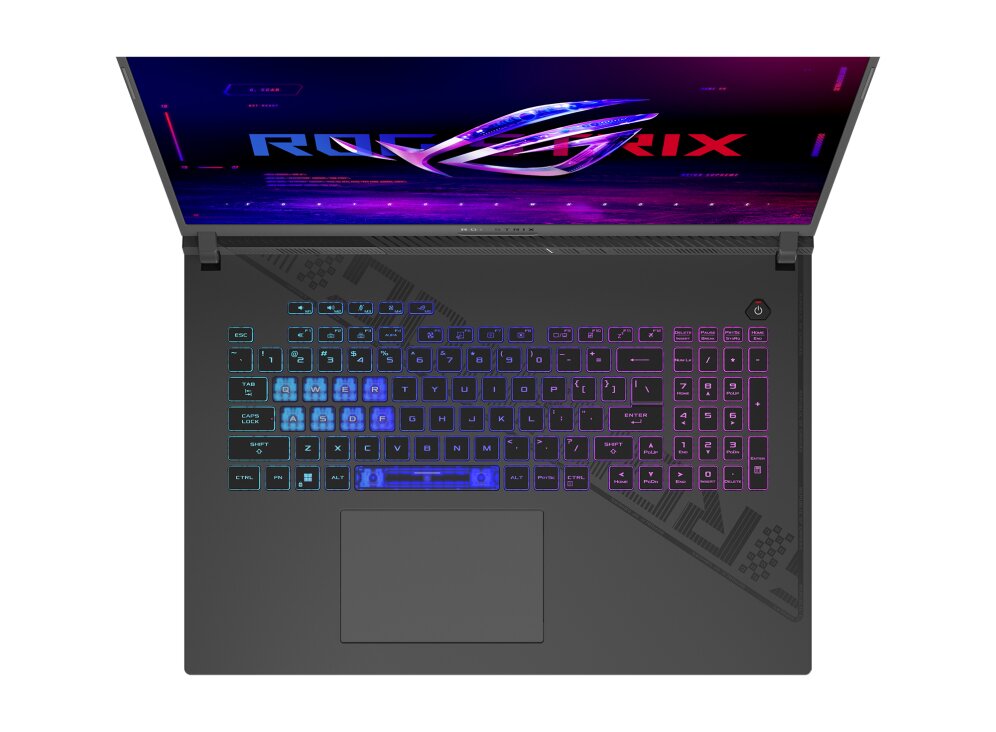
The ASUS ROG Strix G18 G814JI-N6142 features DDR5-SDRAM memory upgrade capabilities with 2x SO-DIMM slots supporting a maximum RAM capacity of 32 GB. Compatible memory modules operate at 4800 MHz frequency with SO-DIMM form factor specifications. The laptop specifications allow for memory expansion through dual SO-DIMM slots, accommodating DDR5 upgrade modules up to the maximum 32 GB capacity limit.
Memory Upgrade Specifications
| Specification | Value |
|---|---|
| Memory slots | 2x SO-DIMM |
| Form factor | SO-DIMM |
| Memory type | DDR5-SDRAM |
| Frequency | 4800 MHz |
| Maximum RAM | 32 GB |
| Voltage | 1.1V |
| Number of pins | 262-pin |
| Interface | PC5 |
| PC Speed Rating | PC5-4800 (PC5-38400) |
| Bandwidth | 38.4 GB/s |
| Laptop Release date | 10 June 2023 |
Additional Notes
- The ASUS ROG G814JI-N6142 limits total system memory to 32 GB, which restricts heavy virtual machine workloads and large dataset processing compared to models supporting 64 GB configurations.
- DDR5-SDRAM at 4800 MHz represents the JEDEC baseline speed for this generation, meaning higher-frequency modules rated at 5200 MHz, 5600 MHz, or beyond will downclock to 4800 MHz and offer no performance gain.
- Both SO-DIMM slots support user replacement, enabling memory upgrades without professional disassembly, though accessing the slots requires removal of the bottom panel and potentially voids certain warranty seals depending on regional regulations.
- DDR5 voltage standards differ from DDR4, making previous-generation modules physically incompatible even if the 260-pin SO-DIMM form factor appears identical.
- Dual-channel operation requires matched module capacities in both slots, meaning asymmetric configurations such as 8 GB paired with 16 GB will force the system into lower-performing single-channel or flex mode for portions of the memory pool.
- The 4800 MHz frequency specification indicates the memory controller's native support ceiling, so stability issues may arise if non-validated third-party modules deviate from standard timing profiles.
- SO-DIMM DDR5 modules generate more heat than DDR4 equivalents due to onboard voltage regulation, potentially requiring adequate chassis ventilation during sustained memory-intensive tasks to prevent thermal throttling.
- The 32 GB maximum suggests the memory controller or motherboard traces limit per-slot capacity to 16 GB, preventing the use of emerging 24 GB or 32 GB single modules even as they become commercially available.
- Mixing modules from different manufacturers or production batches may cause POST failures or system instability, as DDR5's tighter tolerances make cross-compatibility less forgiving than DDR4.
- The absence of ECC support in consumer SO-DIMM DDR5 means bit-flip errors remain undetected, a consideration for users running long computational tasks where data integrity is critical.