ASUS ROG G814JIR-N6094W RAM upgrade specifications


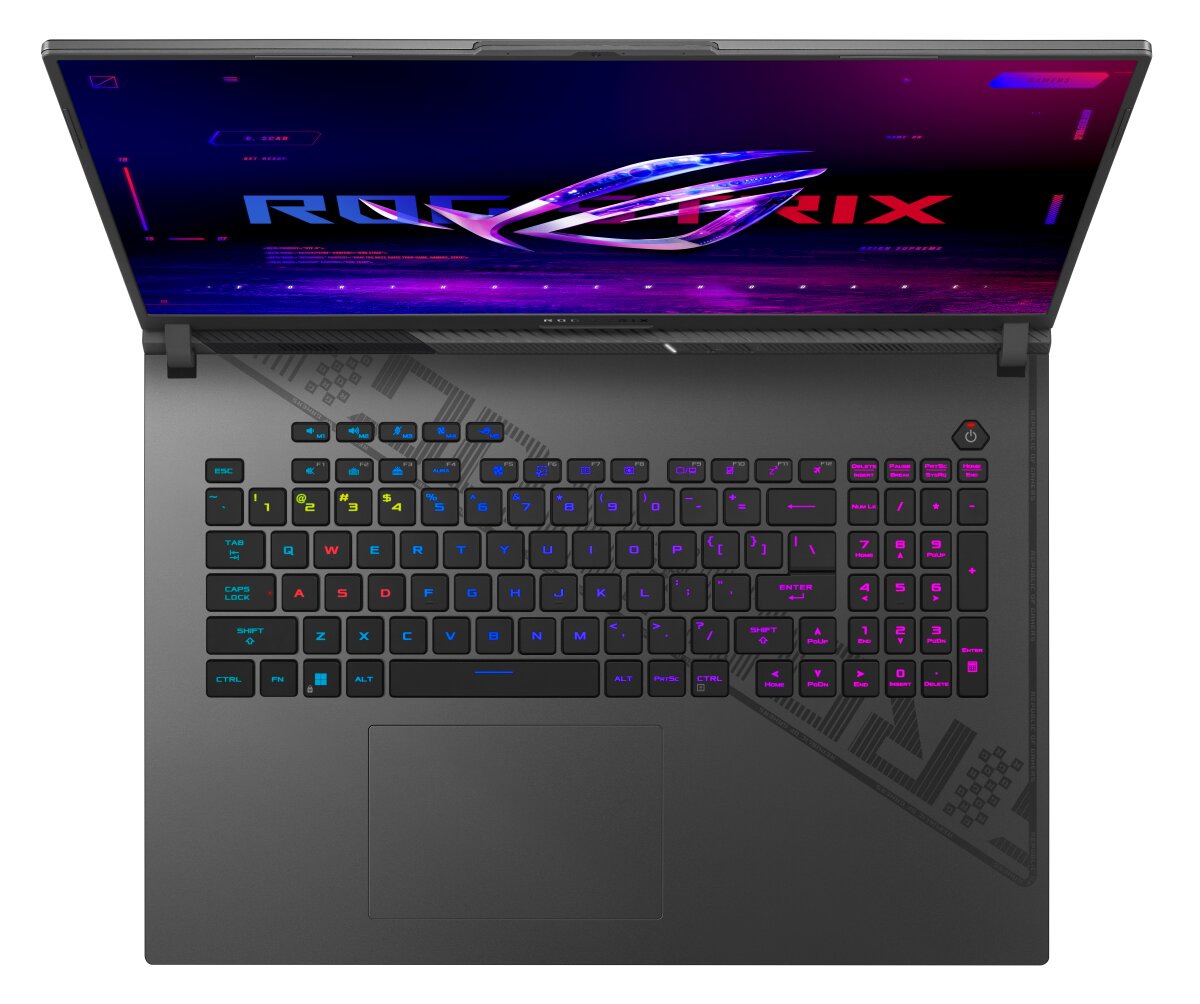


The ASUS ROG Strix G18 G814JIR-N6094W features DDR5-SDRAM memory upgrade specifications with 2x SO-DIMM slots supporting maximum capacity of 32 GB total RAM. The laptop's memory operates at 5600 MHz frequency using the SO-DIMM form factor, compatible with DDR5 specifications. Upgrade configurations allow installation of compatible DDR5 modules to achieve maximum memory capacity supported by this gaming laptop model.
Memory Upgrade Specifications
| Specification | Value |
|---|---|
| Memory slots | 2x SO-DIMM |
| Form factor | SO-DIMM |
| Memory type | DDR5-SDRAM |
| Frequency | 5600 MHz |
| Maximum RAM | 32 GB |
| Voltage | 1.1V |
| Number of pins | 262-pin |
| Interface | PC5 |
| PC Speed Rating | PC5-5600 (PC5-44800) |
| Bandwidth | 44.8 GB/s |
Additional Notes
- The ASUS ROG G814JIR-N6094W accepts only DDR5 modules, excluding any DDR4 inventory from compatibility due to physical notch differences and voltage requirements.
- The 32 GB ceiling restricts configurations to either 2x16 GB or a single 32 GB module, preventing future expansion beyond this threshold regardless of workload demands.
- SO-DIMM form factor confirms laptop-specific modules are required, as standard desktop DIMM modules will not physically fit the slot design.
- 5600 MHz represents the validated speed, though the memory controller may support JEDEC fallback to 4800 MHz if non-standard modules are installed.
- Dual-slot architecture enables channel interleaving when populated with matched pairs, potentially doubling bandwidth compared to single-module configurations.
- Mixing modules with different densities across the 2 slots may force the system to operate in single-channel mode, halving theoretical throughput.
- Some manufacturers void warranties if modules exceed the 32 GB specification, even when the chipset theoretically supports higher capacities.
- Thermal constraints in laptop chassis may throttle 5600 MHz modules under sustained load if aftermarket RAM lacks equivalent heat spreader designs.
- JEDEC-compliant DDR5 modules default to 4800 MHz until XMP profiles activate, requiring BIOS support to reach the rated 5600 MHz speed.
- Replacing factory modules forfeits pre-tuned latency timings optimized during manufacturing, potentially increasing CAS latency even at equivalent clock speeds.