ASUS ROG G814JVR-N6051W RAM upgrade specifications
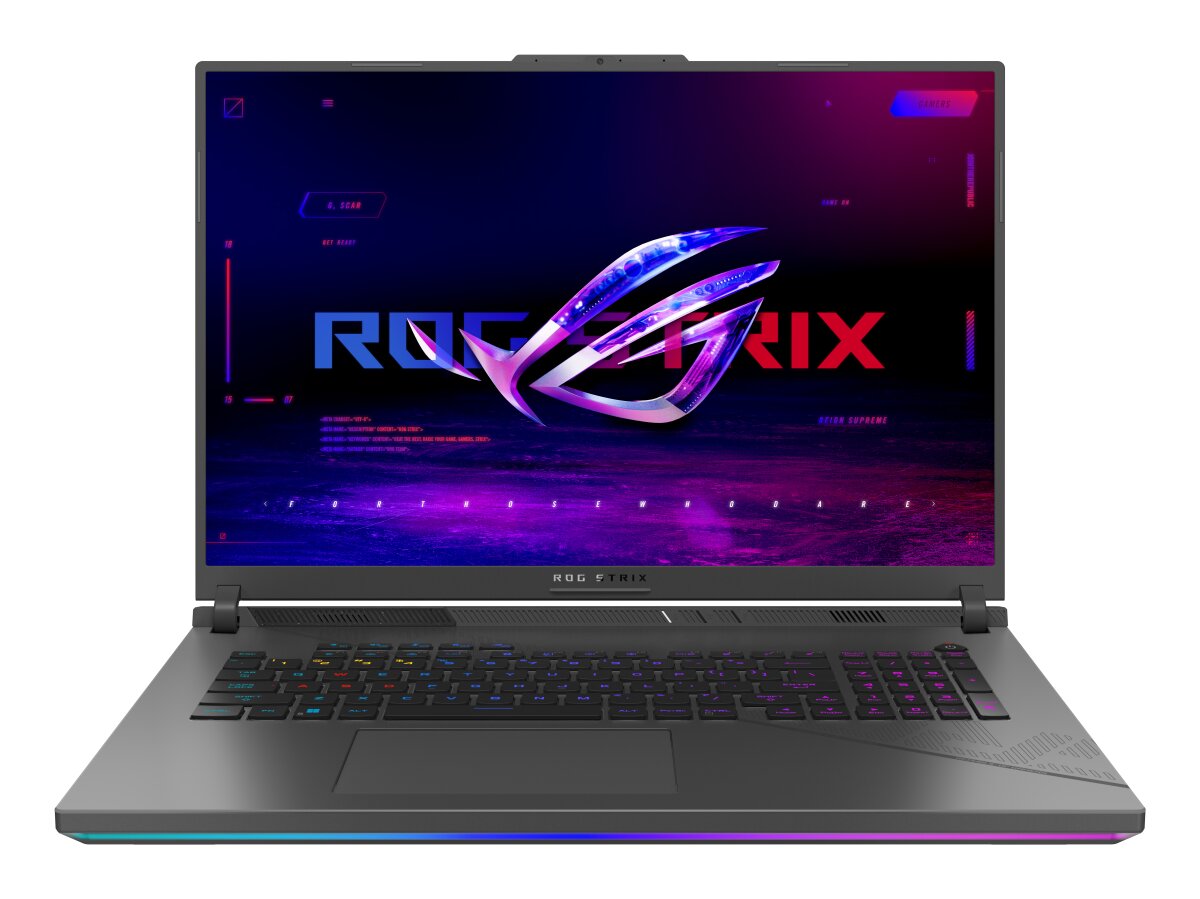
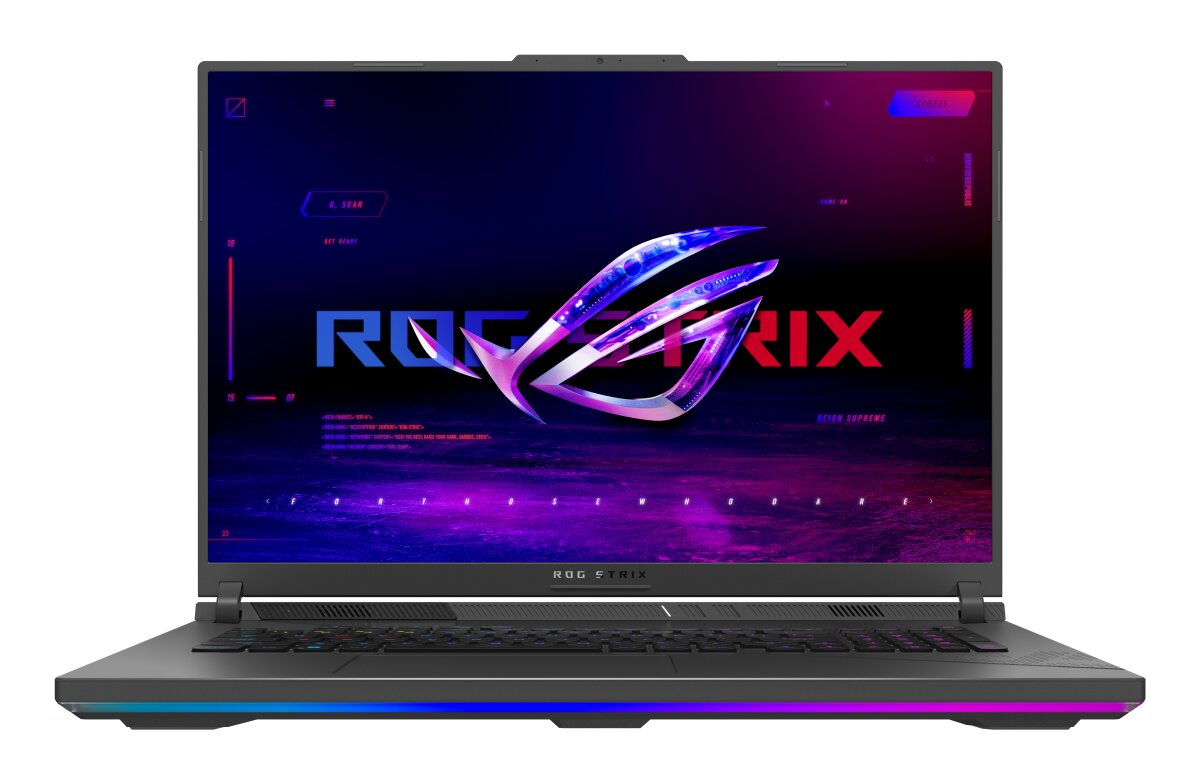
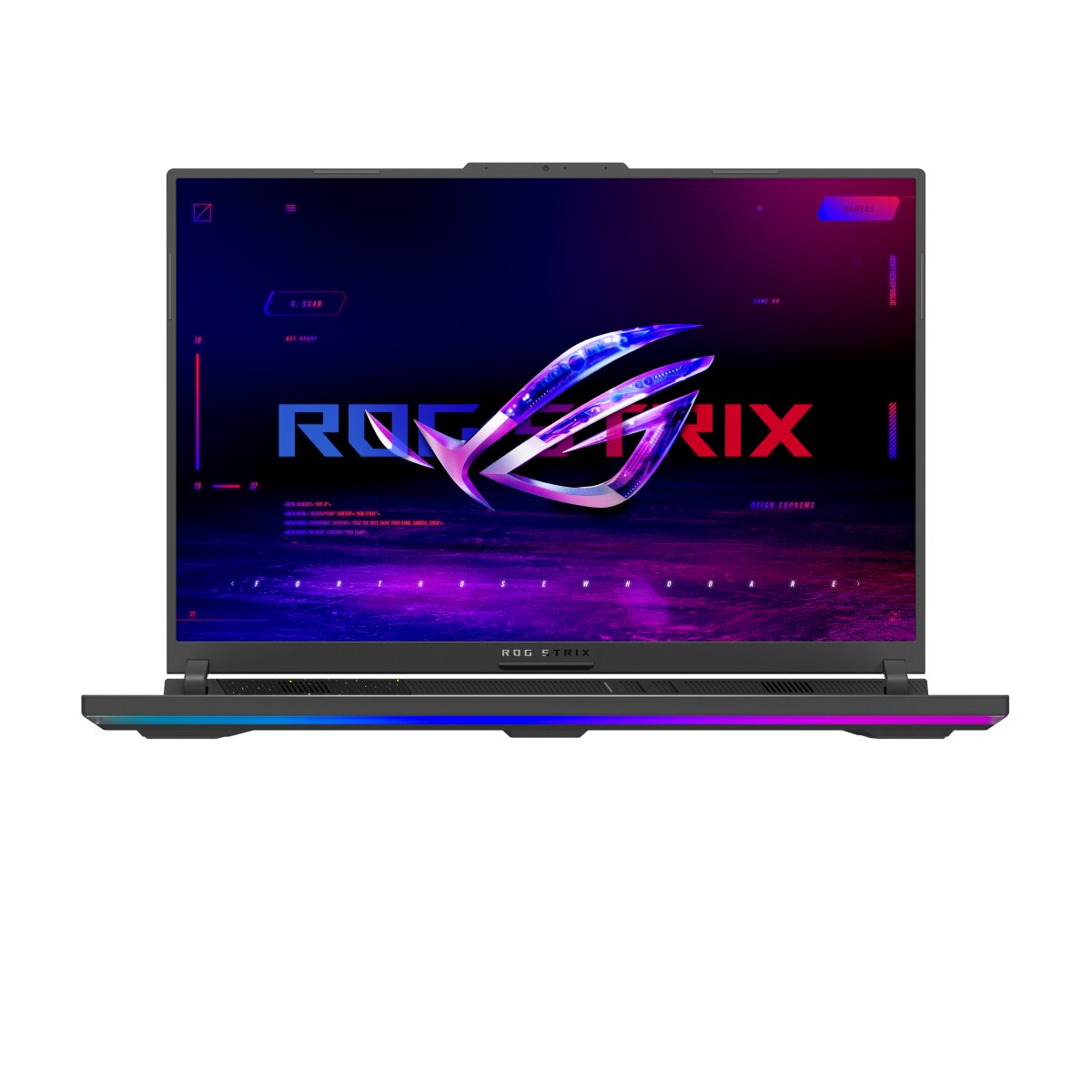
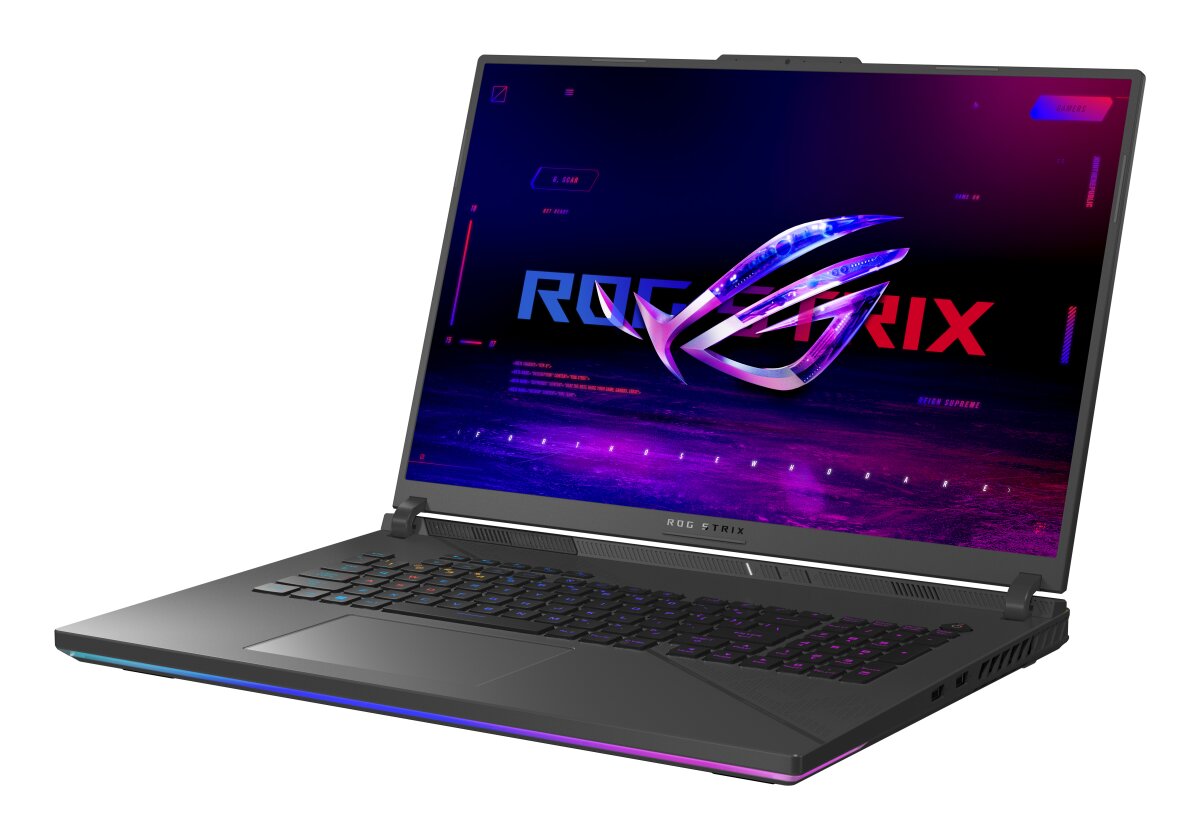
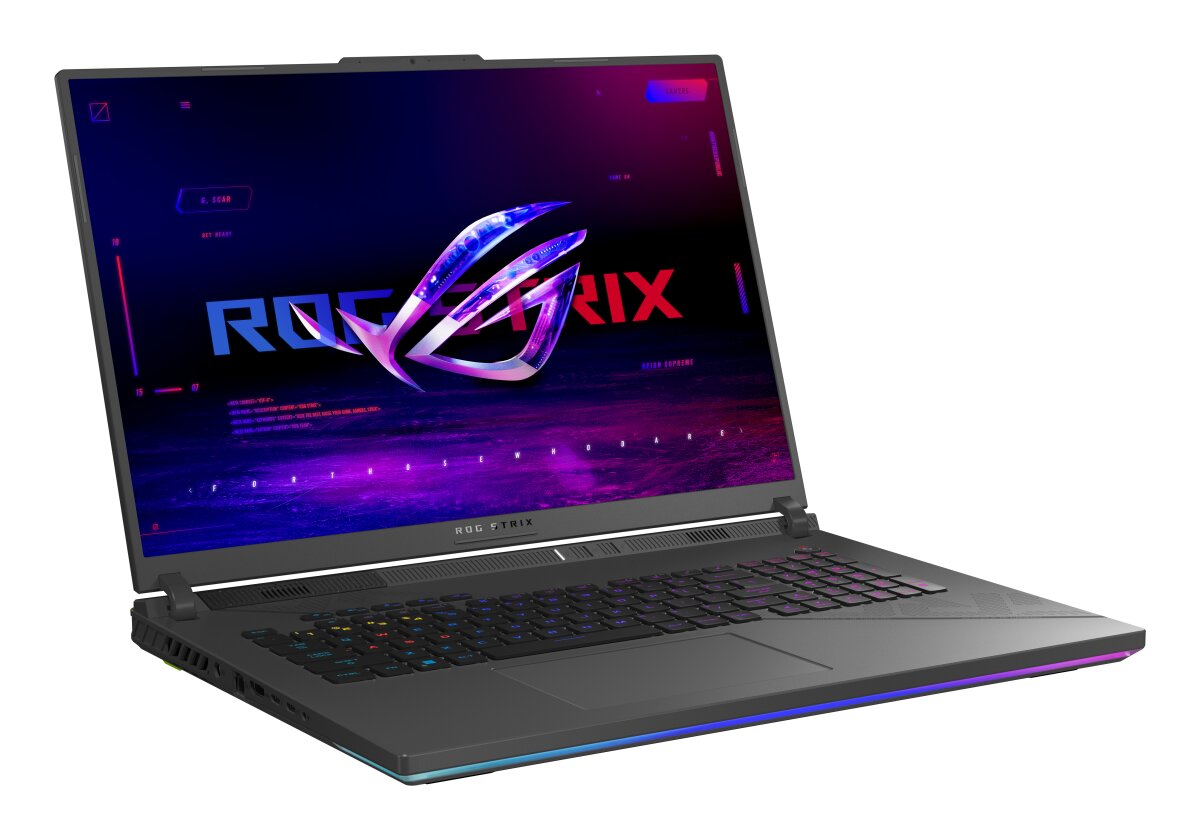
ASUS ROG Strix G18 G814JVR-N6051W laptop RAM upgrade specifications include DDR5-SDRAM memory compatible with 2x SO-DIMM slots. Maximum supported capacity reaches 32 GB total memory. Memory operates at 5600 MHz frequency. Specifications indicate SO-DIMM form factor for upgrade compatibility. ASUS ROG Strix G18 series supports DDR5 technology for enhanced performance. Laptop RAM upgrade options accommodate standard DDR5 modules within specified slot configuration and capacity limitations.
Memory Upgrade Specifications
| Specification | Value |
|---|---|
| Memory slots | 2x SO-DIMM |
| Form factor | SO-DIMM |
| Memory type | DDR5-SDRAM |
| Frequency | 5600 MHz |
| Maximum RAM | 32 GB |
| Voltage | 1.1V |
| Number of pins | 262-pin |
| Interface | PC5 |
| PC Speed Rating | PC5-5600 (PC5-44800) |
| Bandwidth | 44.8 GB/s |
Additional Notes
- The ASUS ROG G814JVR-N6051W accepts only DDR5 modules, meaning DDR4 or older generation memory will be physically incompatible due to different notch positioning and voltage requirements.
- The 32 GB ceiling reflects Intel 13th/14th generation or AMD Ryzen 7000 series mobile platform limitations when using standard dual-rank SO-DIMM modules rather than motherboard design restrictions.
- Achieving 5600 MHz requires JEDEC-standard modules or XMP-enabled kits, though mobile platforms typically run SPD profiles rather than overclocked timings to maintain thermal stability.
- Both SO-DIMM slots must remain accessible through bottom panel removal, as soldered memory configurations would eliminate upgrade capability entirely.
- Mixing 5600 MHz modules with lower-frequency DDR5 will force all installed memory to operate at the speed of the slowest module, creating potential performance reduction.
- Dual-channel operation requires matched capacity modules in both slots, meaning a single 32 GB module would sacrifice approximately 20-30% memory bandwidth compared to 2x 16 GB configuration.
- BIOS updates may expand compatibility with future higher-density DDR5 modules, though current chipset specifications enforce the 32 GB limitation per slot.
- Warranty preservation depends on non-destructive panel access, as breaking security seals or damaging clips during memory installation typically voids manufacturer coverage in gaming laptop segments.
- The 5600 MHz standard operates at 1.1V, consuming less power than DDR4 equivalents while generating different heat characteristics that existing thermal solutions must accommodate.
- High-capacity modules using 16 Gbit density chips may encounter compatibility issues if the motherboard firmware only validates 8 Gbit density configurations common at product launch.