ASUS ROG G814JVR-N6064W RAM upgrade specifications



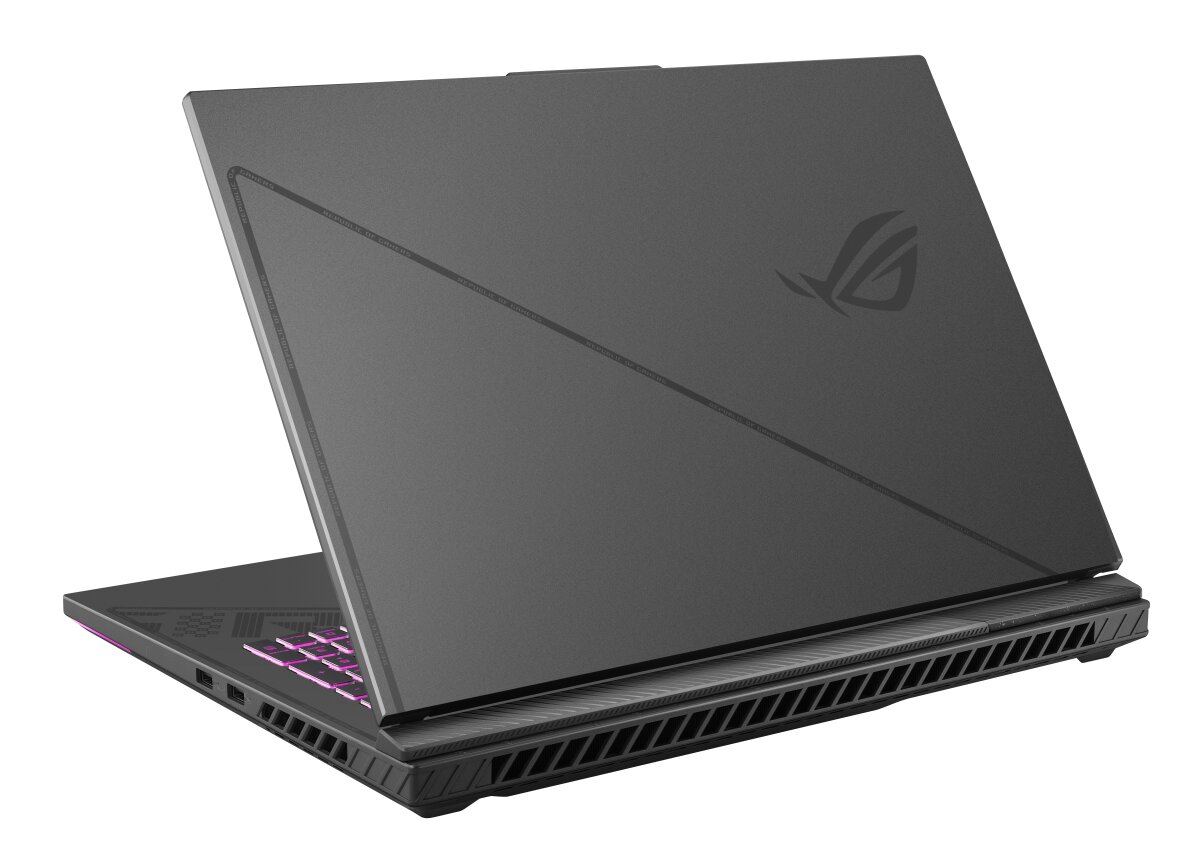
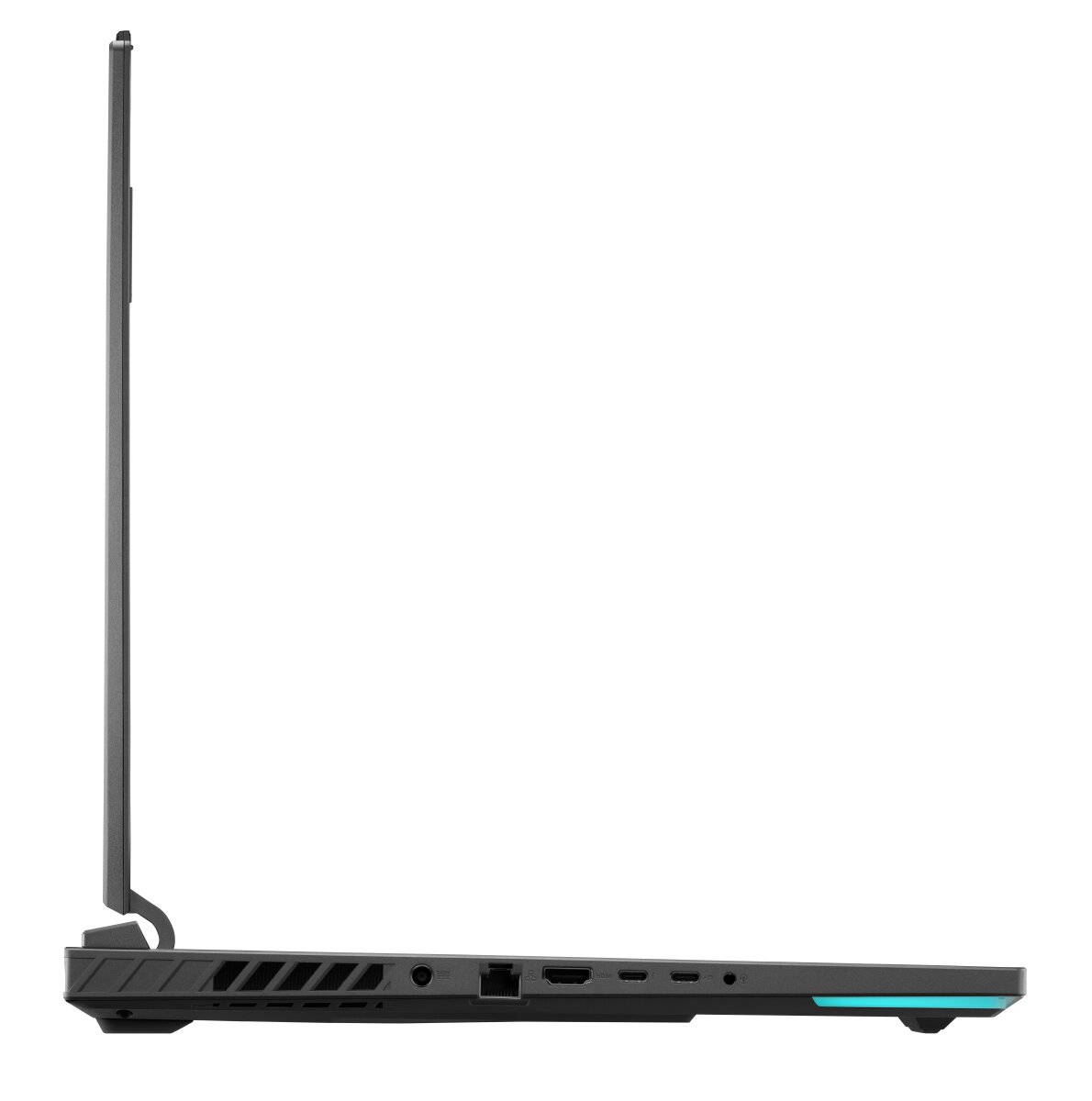
The ASUS ROG Strix G18 G814JVR-N6064W features DDR5-SDRAM memory upgrade specifications with two SO-DIMM slots supporting maximum capacity of 32 GB total RAM. Compatible memory modules operate at 5600 MHz frequency and utilize SO-DIMM form factor. Upgrade configurations allow installation of DDR5 memory modules in both available slots to achieve maximum supported capacity for enhanced system performance.
Memory Upgrade Specifications
| Specification | Value |
|---|---|
| Memory slots | 2x SO-DIMM |
| Form factor | SO-DIMM |
| Memory type | DDR5-SDRAM |
| Frequency | 5600 MHz |
| Maximum RAM | 32 GB |
| Voltage | 1.1V |
| Number of pins | 262-pin |
| Interface | PC5 |
| PC Speed Rating | PC5-5600 (PC5-44800) |
| Bandwidth | 44.8 GB/s |
Additional Notes
- The ASUS ROG G814JVR-N6064W employs DDR5 SO-DIMM modules, which prevents backward compatibility with DDR4 memory sticks due to differences in pin configuration and voltage requirements.
- The 32 GB maximum capacity implies a chipset-level or BIOS limitation that restricts recognition of higher-density modules, even if physically compatible modules exist.
- Installation requires access to the laptop's bottom panel, which typically involves removing multiple screws and possibly breaking security seals that could affect manufacturer warranty status.
- The dual-slot configuration supports single-channel operation if only one module is installed, halving theoretical memory bandwidth compared to matched pairs.
- Achieving the rated 5600 MHz frequency depends on CPU memory controller capabilities and may default to lower JEDEC speeds if BIOS settings are not configured properly.
- SO-DIMM modules must meet specific height restrictions, as gaming laptops often have minimal clearance between memory slots and heat spreaders or thermal solutions.
- Mixing modules with different timings or from different manufacturers may force all memory to operate at the lowest common specifications, reducing effective performance.
- DDR5's on-die ECC functionality operates independently of user configuration but does not substitute for full ECC memory found in workstation platforms.
- The voltage regulation circuitry for DDR5 resides on the memory module itself, meaning power delivery quality varies between module manufacturers and can affect stability during intensive workloads.
- Thermal throttling may occur under sustained memory access patterns if the laptop's cooling system inadequately addresses heat generation from both CPU and high-speed memory operations.