ASUS ROG G814JZ-N6002W-Gaming RAM upgrade specifications
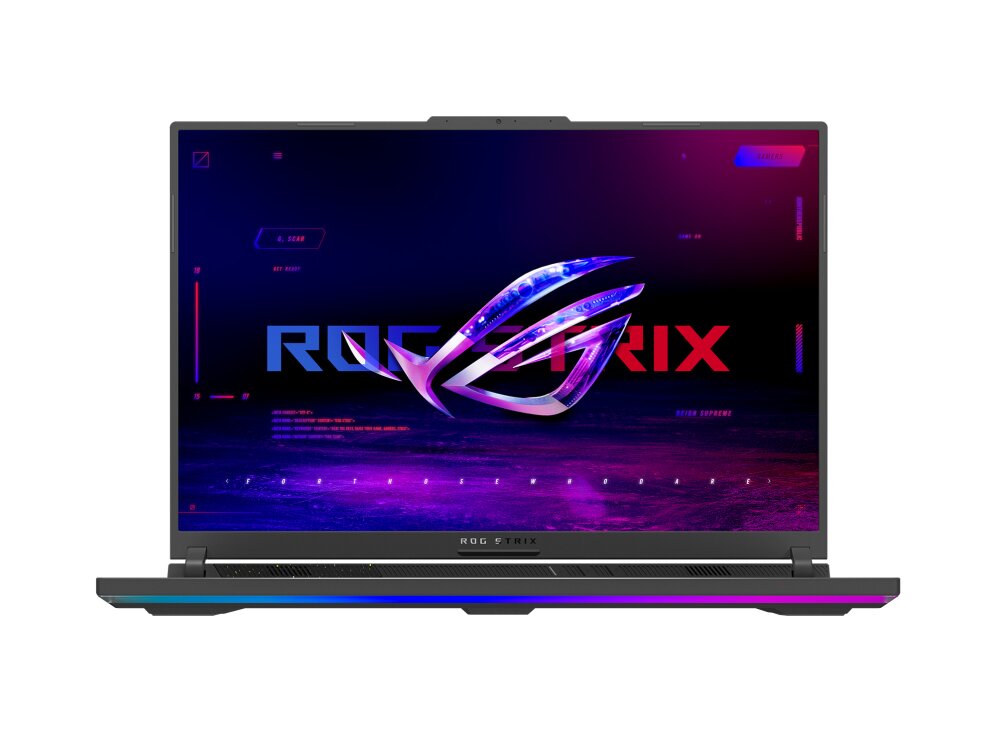
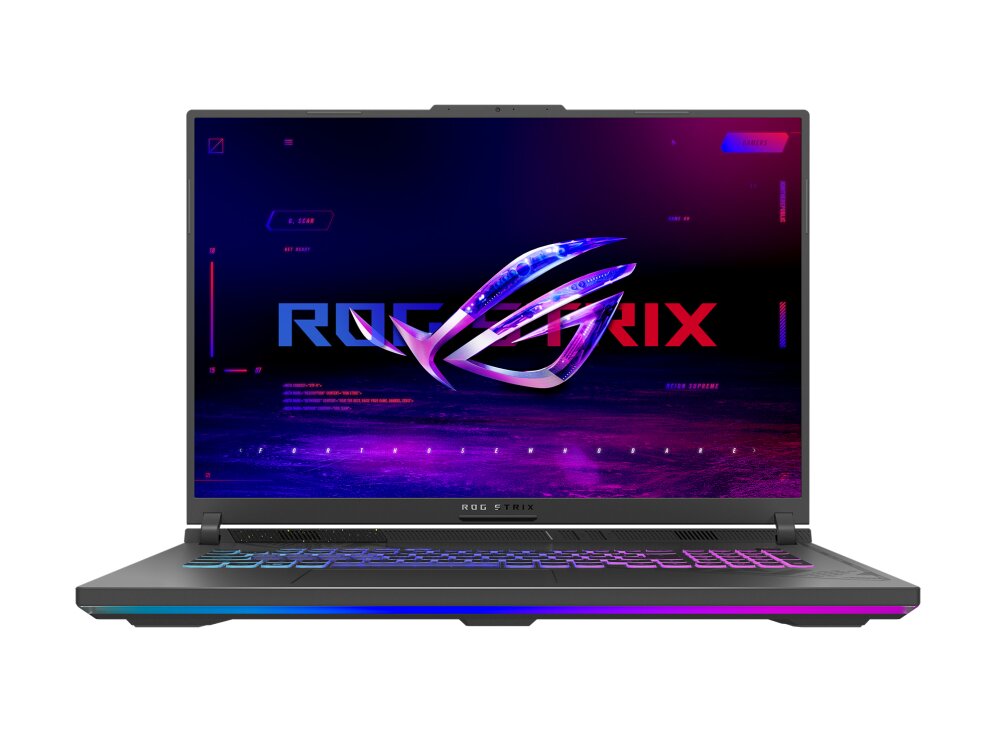
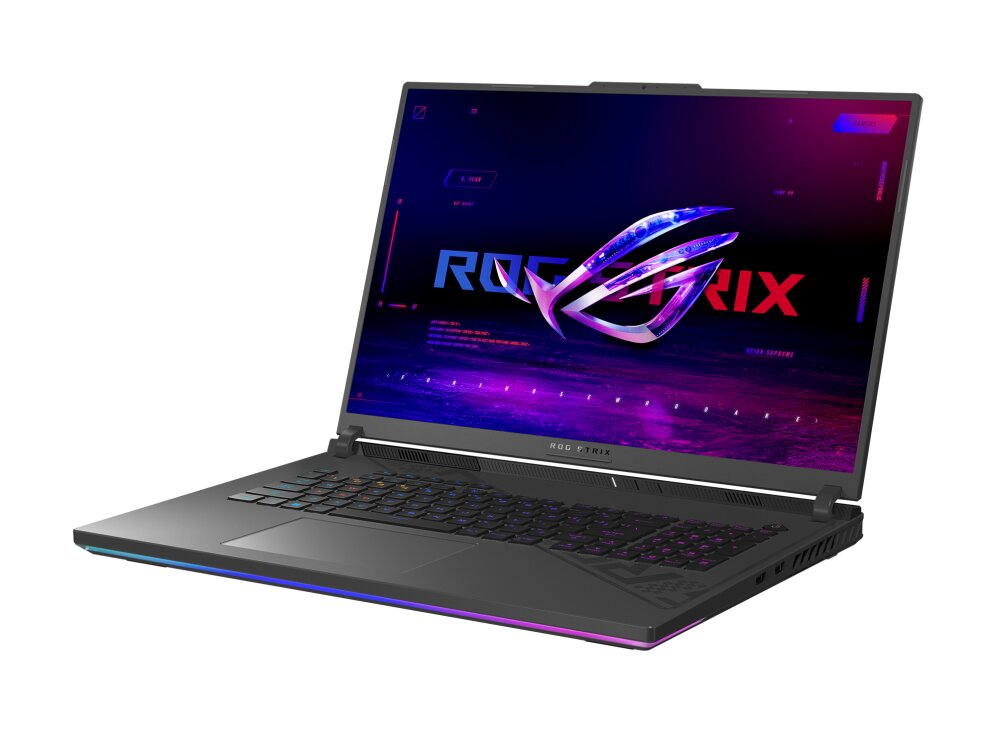
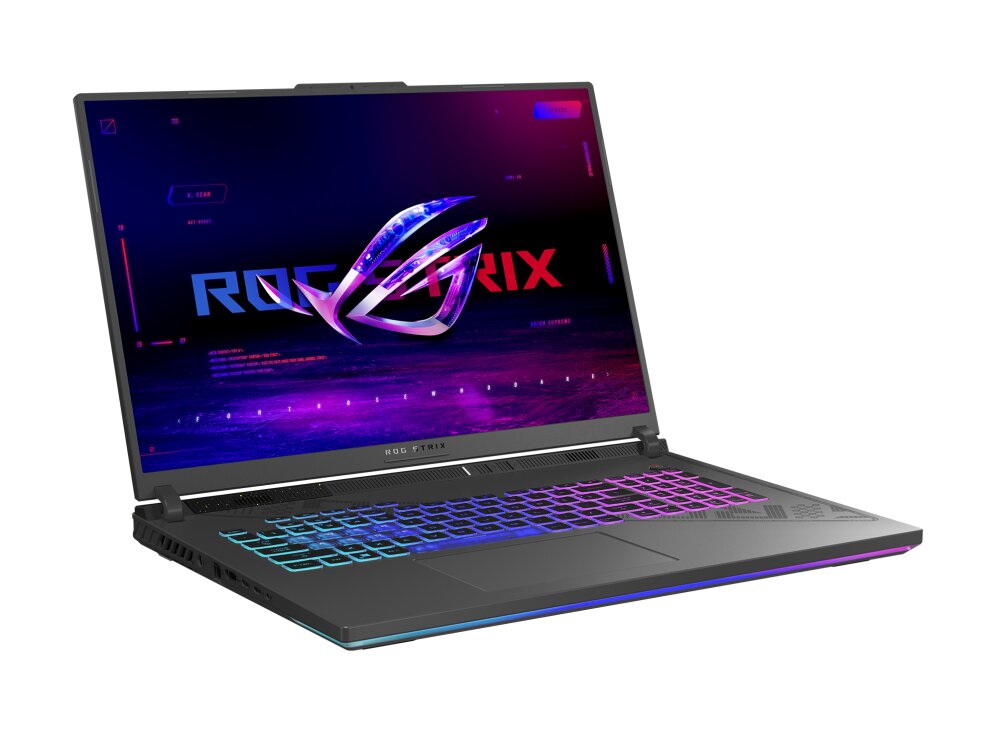
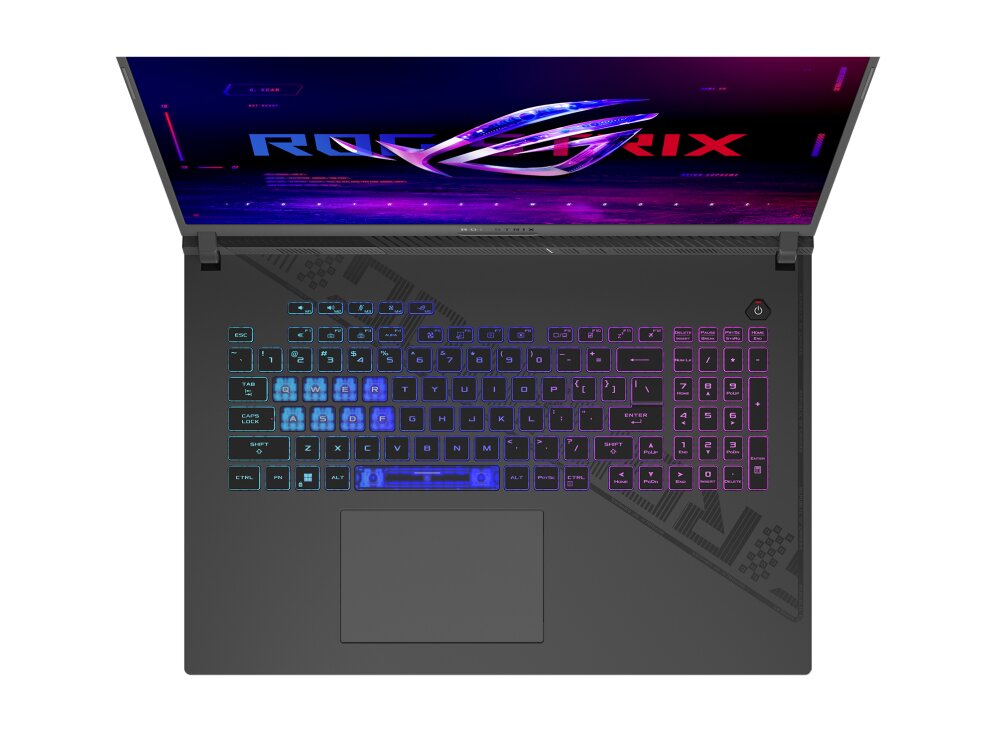
ASUS ROG Strix G18 G814JZ-N6002W-Gaming laptop supports DDR5-SDRAM memory upgrades through two SO-DIMM slots. Maximum compatible RAM capacity reaches 32 GB with DDR5-4800 MHz specifications. The upgrade slots accommodate SO-DIMM form factor memory modules, enabling users to expand the system's memory capacity for enhanced multitasking and gaming performance. Compatible DDR5 memory modules operating at 4800 MHz frequency are required for proper specifications and system compatibility.
Memory Upgrade Specifications
| Specification | Value |
|---|---|
| Memory slots | 2x SO-DIMM |
| Form factor | SO-DIMM |
| Memory type | DDR5-SDRAM |
| Frequency | 4800 MHz |
| Maximum RAM | 32 GB |
| Voltage | 1.1V |
| Number of pins | 262-pin |
| Interface | PC5 |
| PC Speed Rating | PC5-4800 (PC5-38400) |
| Bandwidth | 38.4 GB/s |
Additional Notes
- DDR5-SDRAM operating at 4800 MHz introduces latency constraints when paired with 12th or 13th generation Intel processors, as these chips cap effective memory speed at 4800 MHz in native mode. Frequency scaling beyond this threshold requires BIOS-level overclocking, which voids standard manufacturer coverage on memory components.
- The 2x SO-DIMM slot configuration on the ASUS ROG G814JZ-N6002W-Gaming creates a hard ceiling at 32 GB total capacity. Dual-channel architecture remains functional only when both slots are populated with matched modules; single-module installation reverts the system to single-channel mode, reducing bandwidth by approximately 50 percent.
- SO-DIMM modules occupy restricted physical space within laptop chassis cavities. Replacement requires removal of bottom panels and potential disconnection of battery contacts, extending service time beyond desktop RAM upgrades and increasing risk of accidental component damage during installation.
- 32 GB maximum capacity places this configuration below workloads requiring sustained virtual memory operations. Video editing, 3D rendering, and large-dataset processing tasks will trigger disk paging when system RAM approaches saturation, creating significant performance degradation compared to 64 GB systems.
- DDR5-SDRAM pricing remains elevated relative to DDR4 equivalents. Upgrading from factory-standard configurations incurs proportionally higher component costs, with SO-DIMM form factor commanding additional premiums due to reduced manufacturing volume compared to UDIMM desktop variants.