ASUS ROG G814JZ-N6022 RAM upgrade specifications
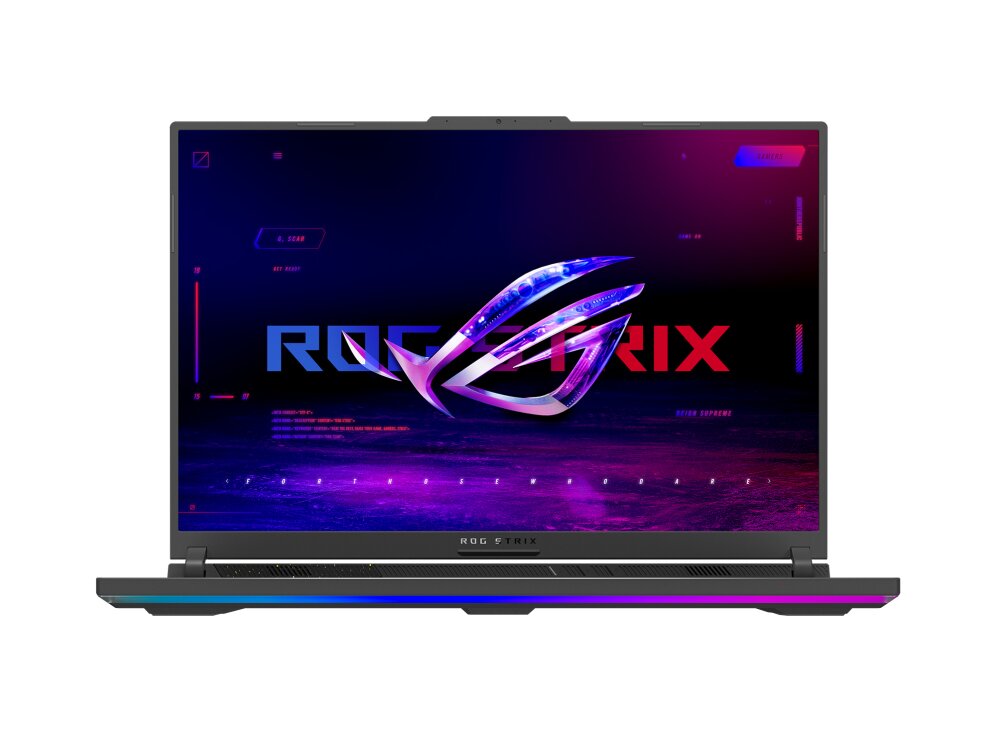
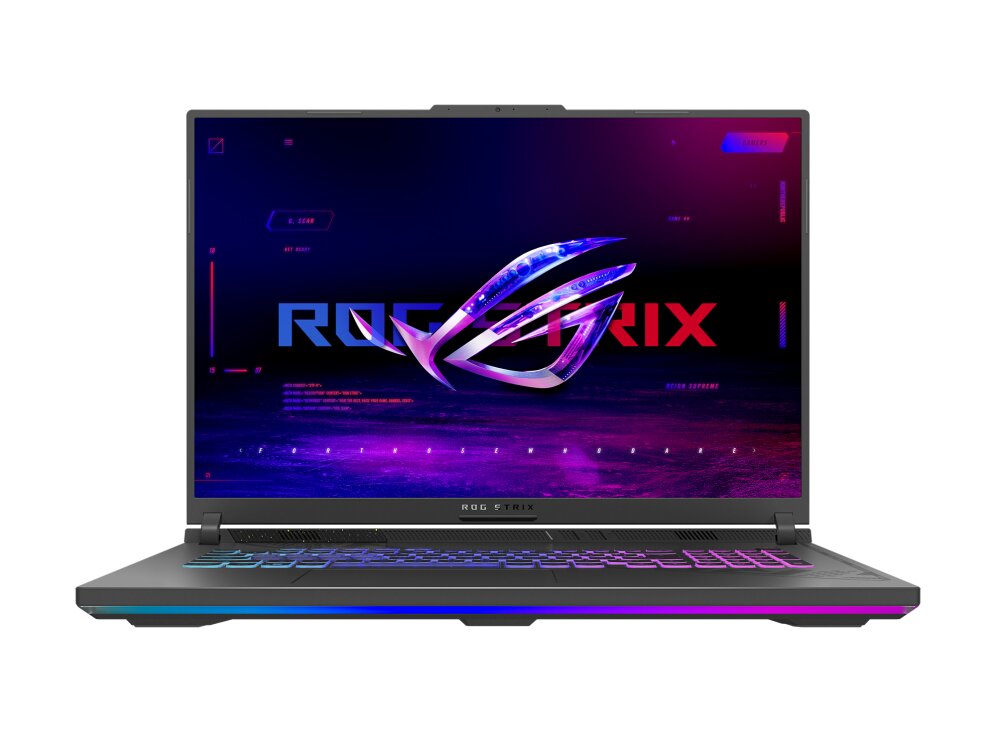
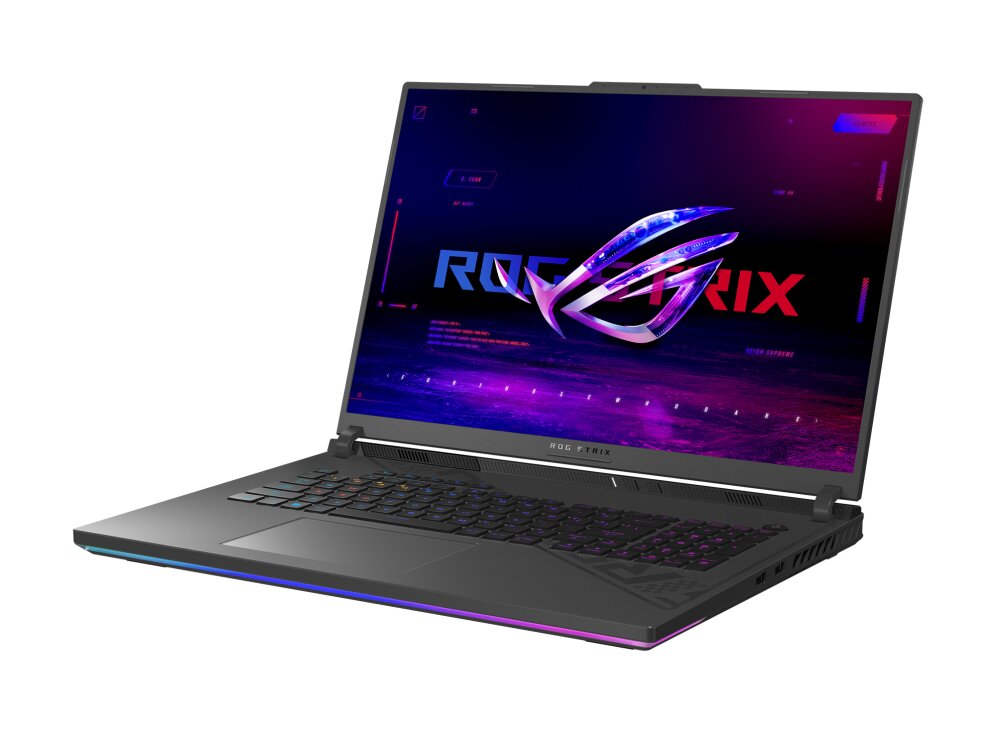
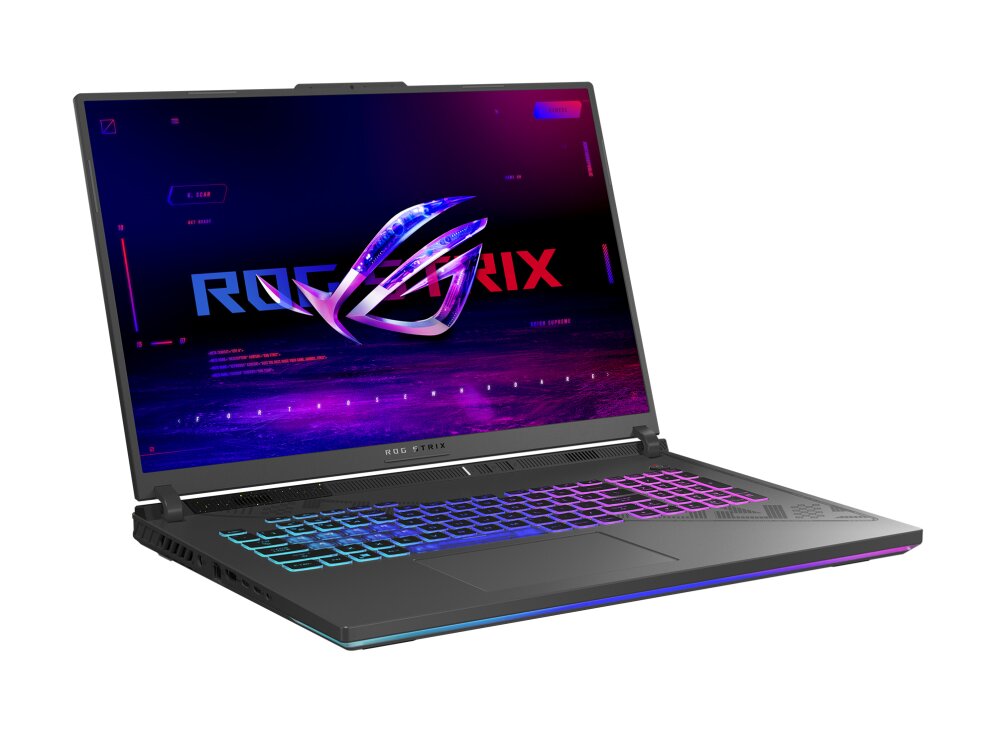
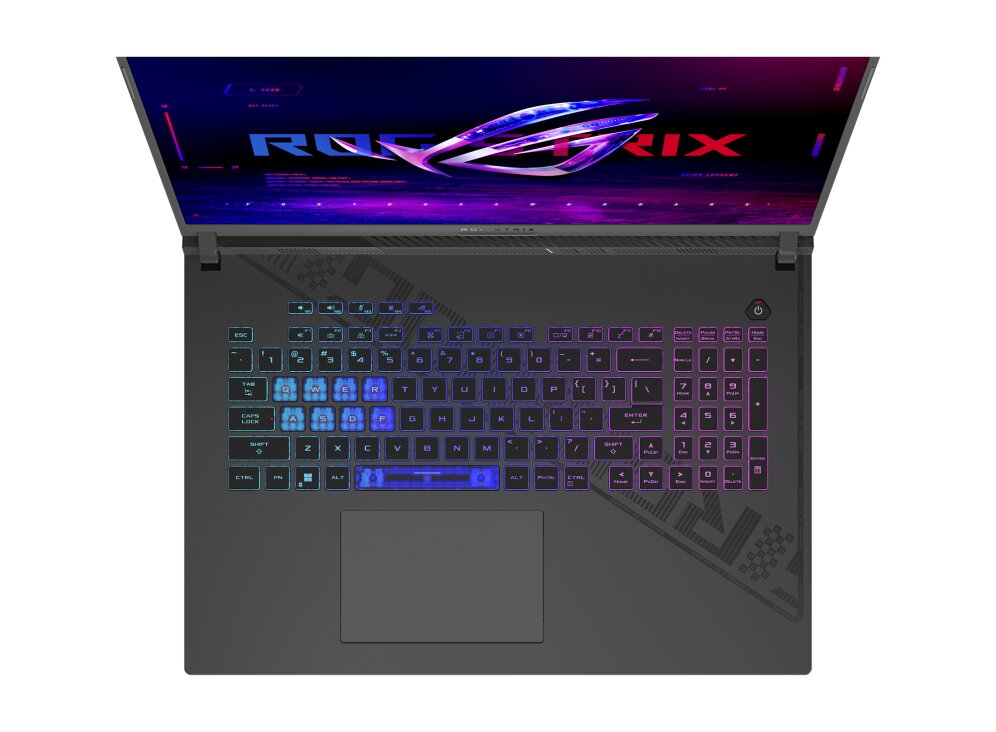
The ASUS ROG Strix G18 G814JZ-N6022 gaming laptop features two SO-DIMM slots for memory expansion. Compatible RAM upgrades utilize DDR5-SDRAM memory operating at 4800 MHz. Maximum supported capacity reaches 32 GB total memory. Current specifications indicate available upgrade slots for enhanced multitasking and performance. Memory modules must meet DDR5 SO-DIMM form factor requirements for proper compatibility with this laptop model. Existing memory configuration allows for partial or complete replacement to achieve maximum RAM capacity supported by the system.
Memory Upgrade Specifications
| Specification | Value |
|---|---|
| Memory slots | 2x SO-DIMM |
| Form factor | SO-DIMM |
| Memory type | DDR5-SDRAM |
| Frequency | 4800 MHz |
| Maximum RAM | 32 GB |
| Voltage | 1.1V |
| Number of pins | 262-pin |
| Interface | PC5 |
| PC Speed Rating | PC5-4800 (PC5-38400) |
| Bandwidth | 38.4 GB/s |
| Laptop Release date | 25 March 2023 |
Additional Notes
- The ASUS ROG G814JZ-N6022 implements a 32 GB capacity ceiling imposed by chipset or BIOS limitations rather than physical slot constraints, requiring verification of official documentation before attempting installations beyond this threshold.
- DDR5-4800 represents JEDEC baseline specification rather than performance-tier memory, leaving substantial headroom for XMP-enabled modules rated at 5200 MHz or higher if the system firmware supports automatic or manual overclocking profiles.
- SO-DIMM packaging restricts third-party module availability compared to desktop DIMM equivalents, with fewer manufacturers producing DDR5 variants in non-standard speeds or lower latencies at comparable price points.
- Dual-channel architecture requires matched module pairs for optimal bandwidth utilization, meaning asymmetric configurations (such as 8 GB plus 16 GB) will force the memory controller into flex mode with reduced throughput on the larger module.
- Populating both slots with maximum-density 16 GB modules eliminates future expansion options, establishing 32 GB as the terminal configuration without replacing existing hardware.
- DDR5 voltage standards operate at 1.1V compared to DDR4's 1.2V, reducing thermal output but increasing sensitivity to trace signal integrity issues that may manifest as instability when mixing modules from different production batches or manufacturers.
- The 4800 MHz frequency specification likely represents SPD (Serial Presence Detect) default timings rather than tested maximum capability, with actual performance dependent on secondary and tertiary timing parameters not captured in base frequency ratings.
- SO-DIMM retention clips in gaming chassis often require partial disassembly of cooling assemblies or keyboard decks to access, transforming simple upgrades into procedures that risk warranty voidance if component damage occurs during disassembly.
- Error-correction code (ECC) support remains absent from consumer DDR5 SO-DIMM modules despite the standard's on-die ECC implementation, preventing deployment of professional-grade memory that might otherwise improve stability under sustained computational loads.