ASUS ROG G814JZ-N6011W RAM upgrade specifications
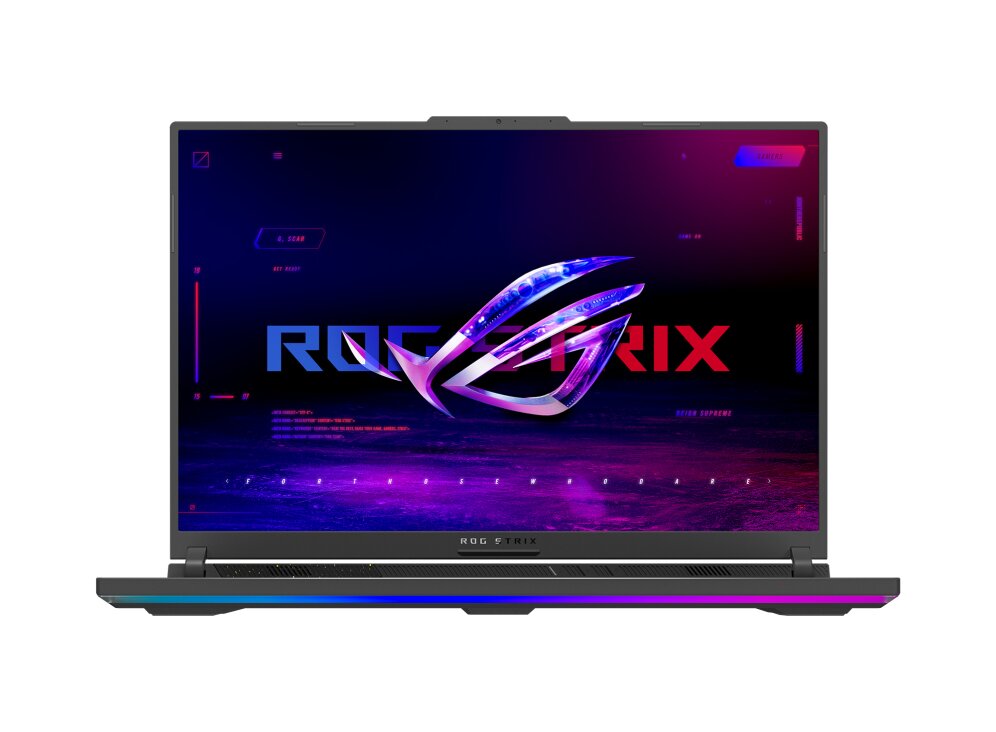



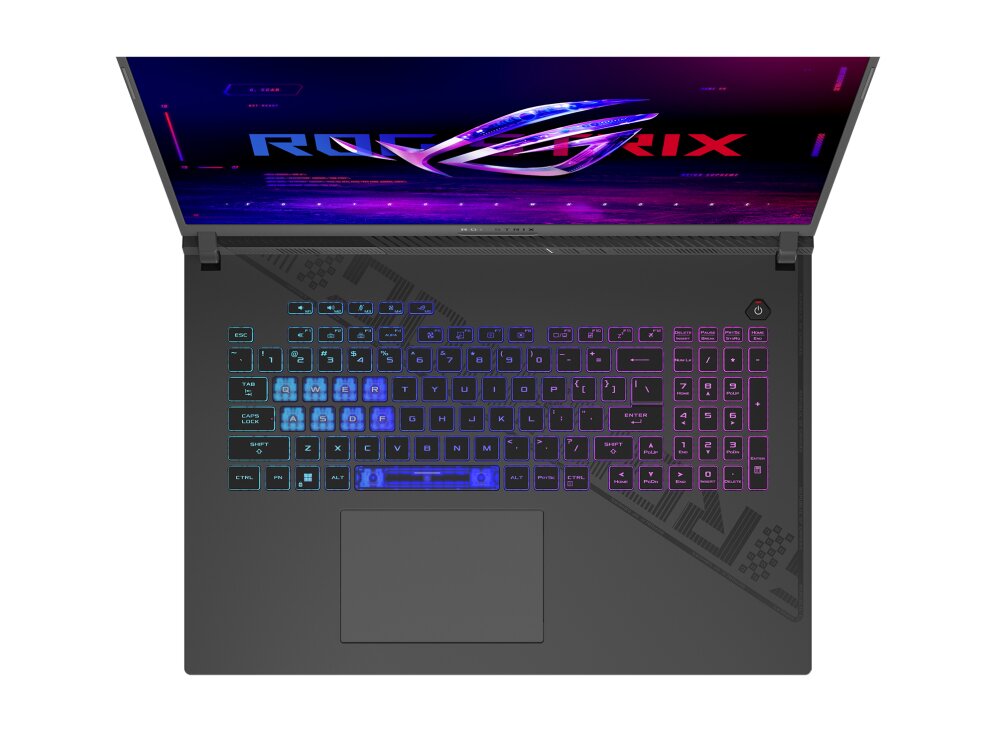
The ASUS ROG Strix G18 G814JZ-N6011W features DDR5-SDRAM memory upgrade capabilities with 2x SO-DIMM slots supporting a maximum capacity of 32 GB total. Compatible memory modules operate at 4800 MHz frequency specifications. The laptop utilizes SO-DIMM form factor memory modules for upgrade installations. Users can expand the system memory to achieve the maximum 32 GB RAM configuration for enhanced multitasking and performance capabilities.
Memory Upgrade Specifications
| Specification | Value |
|---|---|
| Memory slots | 2x SO-DIMM |
| Form factor | SO-DIMM |
| Memory type | DDR5-SDRAM |
| Frequency | 4800 MHz |
| Maximum RAM | 32 GB |
| Voltage | 1.1V |
| Number of pins | 262-pin |
| Interface | PC5 |
| PC Speed Rating | PC5-4800 (PC5-38400) |
| Bandwidth | 38.4 GB/s |
Additional Notes
- The ASUS ROG G814JZ-N6011W requires SO-DIMM modules rather than standard desktop DIMM form factor, limiting compatibility to laptop-specific memory components with different physical dimensions and pin configurations.
- DDR5-SDRAM technology is incompatible with DDR4, DDR3, or earlier generation modules due to different voltage requirements, pin layouts, and signaling protocols.
- The 32 GB maximum capacity constraint suggests motherboard chipset or BIOS limitations that prevent recognition of higher-density modules, even if physically compatible SO-DIMMs are available in larger capacities.
- Dual-channel memory architecture requires matched pairs of modules for optimal bandwidth utilization, with mismatched configurations potentially defaulting to single-channel operation and reduced memory throughput.
- The 4800 MHz specification represents the maximum supported frequency, while modules rated at higher speeds may downclock to this limit or fail to achieve stable operation without manual BIOS timing adjustments.
- SO-DIMM installation typically requires bottom panel removal and potential warranty seal breach, though most manufacturers permit user-replaceable memory without voiding coverage if no physical damage occurs.
- DDR5 modules operating at 4800 MHz consume more power than DDR4 equivalents, potentially affecting battery runtime during memory-intensive operations compared to systems with lower-speed memory configurations.
- Mixed-capacity configurations such as 8 GB plus 16 GB modules may trigger flex mode operation, where only the matched portion runs in dual-channel while excess capacity operates in single-channel mode.
- The 2-slot configuration offers no expansion beyond replacement, meaning current modules must be removed to increase total capacity rather than supplementing existing memory.
- Non-ECC unbuffered modules are required for consumer laptop platforms, as registered or error-correcting memory types designed for server applications are electrically incompatible with standard mobile chipsets.