ASUS ROG G815LW-S9131-GAMING RAM upgrade specifications


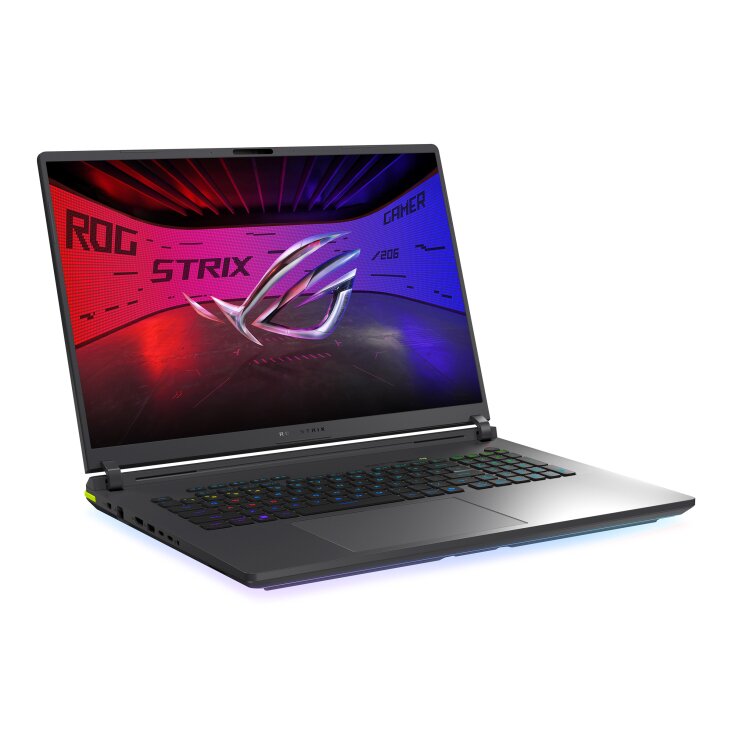


ASUS ROG Strix G18 G815LW-S9131-GAMING gaming laptop supports DDR5-SDRAM memory upgrades via 2x SO-DIMM slots. Maximum RAM capacity reaches 64 GB total. Compatible memory modules operate at 5600 MHz frequency with SO-DIMM form factor specifications. The upgrade pathway enables users to expand system memory from factory configuration to maximum supported capacity for enhanced multitasking and gaming performance capabilities.
Memory Upgrade Specifications
| Specification | Value |
|---|---|
| Memory slots | 2x SO-DIMM |
| Form factor | SO-DIMM |
| Memory type | DDR5-SDRAM |
| Frequency | 5600 MHz |
| Maximum RAM | 64 GB |
| Voltage | 1.1V |
| Number of pins | 262-pin |
| Interface | PC5 |
| PC Speed Rating | PC5-5600 (PC5-44800) |
| Bandwidth | 44.8 GB/s |
Additional Notes
- Dual channel mode configuration requires two identical modules to reach the peak theoretical bandwidth supported by the architecture.
- The 64 capacity ceiling indicates the motherboard firmware version restricts high density 48 modules despite the DDR5 standard supporting larger capacities.
- The ASUS G815LW-S9131-GAMING utilizes a dual slot physical layout that necessitates the removal of existing modules to reach the maximum capacity since no memory is permanently soldered to the logic board.
- System thermal management overhead increases slightly when both slots are occupied by high speed 5600 modules during intensive computational tasks.
- Operating at the specified 5600 frequency requires the integrated memory controller to maintain stable voltages which may result in automated downclocking if lower grade modules are installed.
- The absence of soldered memory simplified the repair process because a single faulty chip does not require a full motherboard replacement.
- Physical clearance within the chassis restricts the installation of modules equipped with tall integrated heat spreaders.
- Latency timings must match across both SO-DIMM slots to prevent the system from defaulting to the slowest shared profile or failing the initial power on self test.