ASUS ROG G815LW-S9134W RAM upgrade specifications

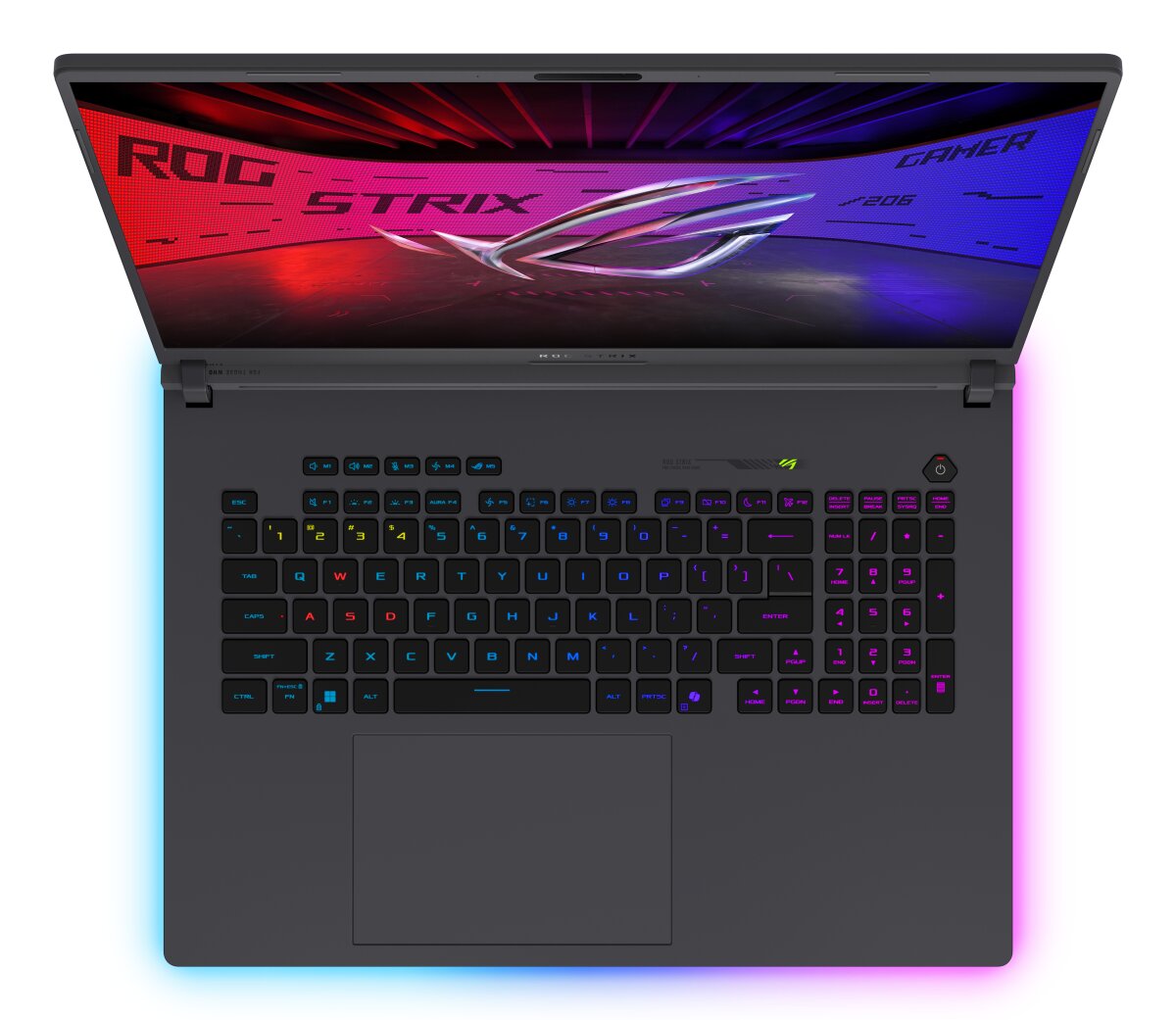


ASUS ROG Strix G18 G815LW-S9134W laptop supports DDR5-SDRAM memory upgrades via 2x SO-DIMM slots. Maximum compatible RAM capacity reaches 64 GB total. Memory specifications include DDR5-5600 MHz frequency support. Upgrade options accommodate SO-DIMM form factor modules meeting the device's specifications. Existing memory configuration supports expansion to maximum capacity through compatible DDR5 modules installed in available slots.
Memory Upgrade Specifications
| Specification | Value |
|---|---|
| Memory slots | 2x SO-DIMM |
| Form factor | SO-DIMM |
| Memory type | DDR5-SDRAM |
| Frequency | 5600 MHz |
| Maximum RAM | 64 GB |
| Voltage | 1.1V |
| Number of pins | 262-pin |
| Interface | PC5 |
| PC Speed Rating | PC5-5600 (PC5-44800) |
| Bandwidth | 44.8 GB/s |
Additional Notes
- The DDR5-5600 specification indicates this ASUS ROG G815LW-S9134W operates on JEDEC standard speeds rather than overclocked profiles, eliminating the need for XMP configuration in BIOS.
- SO-DIMM slots limit module height clearance compared to full-size DIMMs, requiring laptop-specific memory rather than desktop equivalents despite identical electrical specifications.
- The 64 GB ceiling requires 2x32 GB modules for maximum capacity, as single 64 GB SO-DIMM modules do not exist in consumer DDR5 standards.
- DDR5 architecture incorporates on-die ECC, providing basic error correction without requiring ECC-registered modules or motherboard support flags.
- Dual-channel configuration depends on matched module placement across both slots, with asymmetric capacities reverting the larger module's excess to single-channel operation.
- 5600 MHz operation delivers 44.8 GB/s theoretical bandwidth per channel, totaling 89.6 GB/s in dual-channel mode under ideal conditions.
- DDR5 voltage regulation occurs on the module itself rather than the motherboard, meaning incompatible voltage modules will fail to POST rather than operate at reduced speeds.
- Mixing modules with different CAS latencies forces all memory to run at the slowest timing present, potentially degrading performance despite matched frequencies.
- SO-DIMM retention clips differ mechanically from desktop DIMM mechanisms, requiring outward pressure on both clips simultaneously for safe removal.
- The frequency ceiling may reflect CPU memory controller limits rather than slot limitations, meaning faster modules will downclock automatically to 5600 MHz.
- User-accessible memory slots preserve warranty coverage under most regional consumer protection laws, unlike soldered memory configurations.
- Module rank configuration affects maximum capacity compatibility, with dual-rank 32 GB modules potentially causing stability issues on memory controllers designed for single-rank operation.