ASUS ROG G634JY-NM001W RAM upgrade specifications
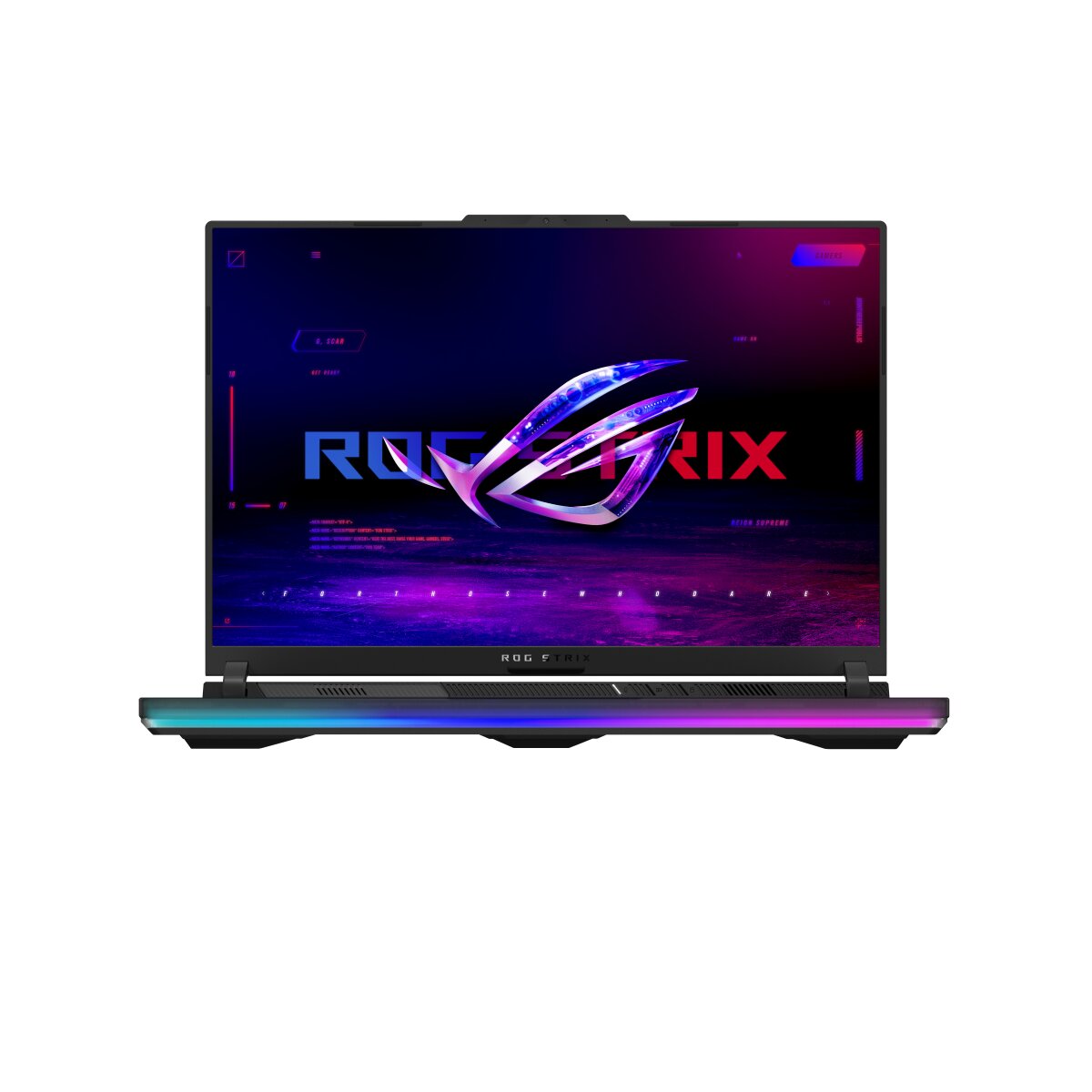


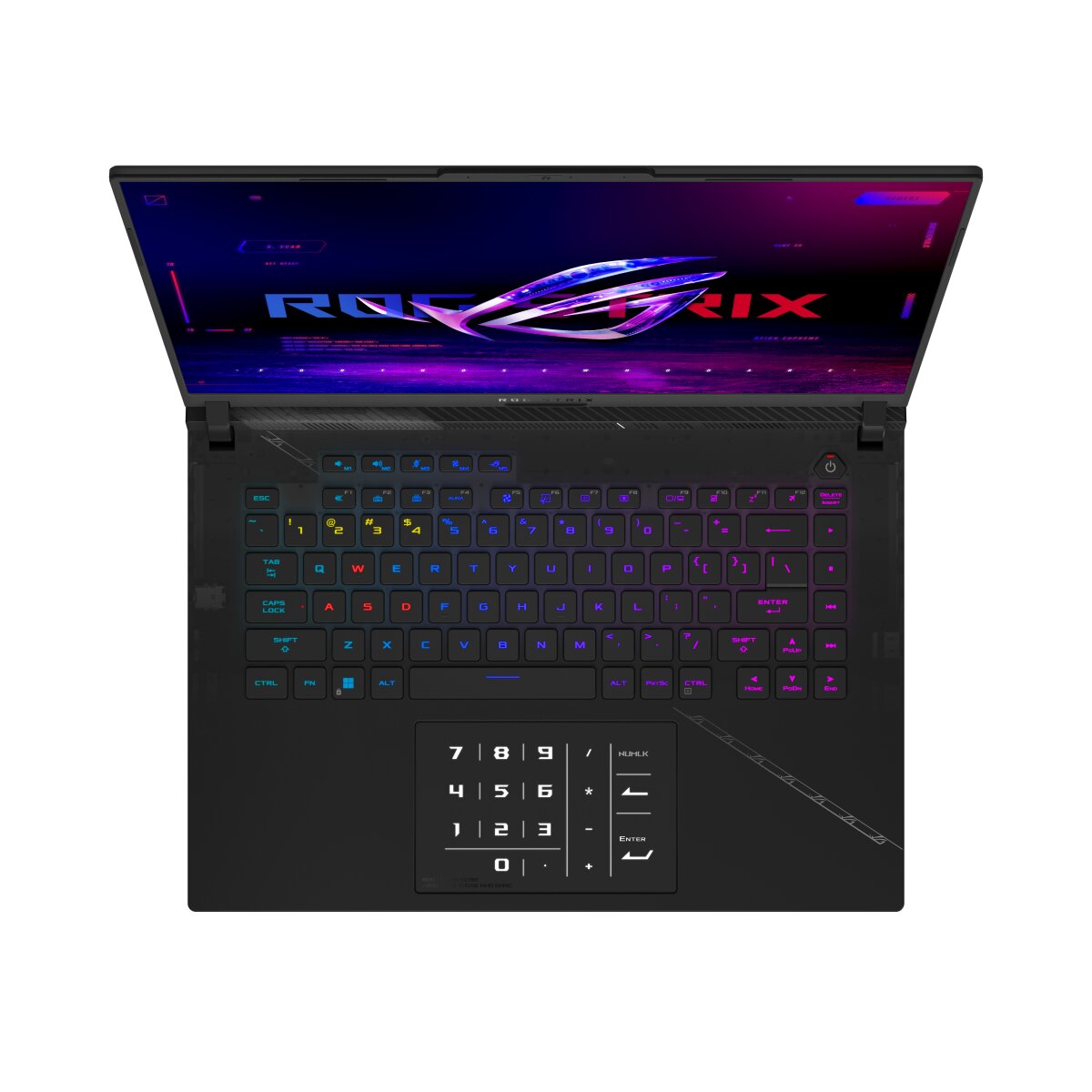
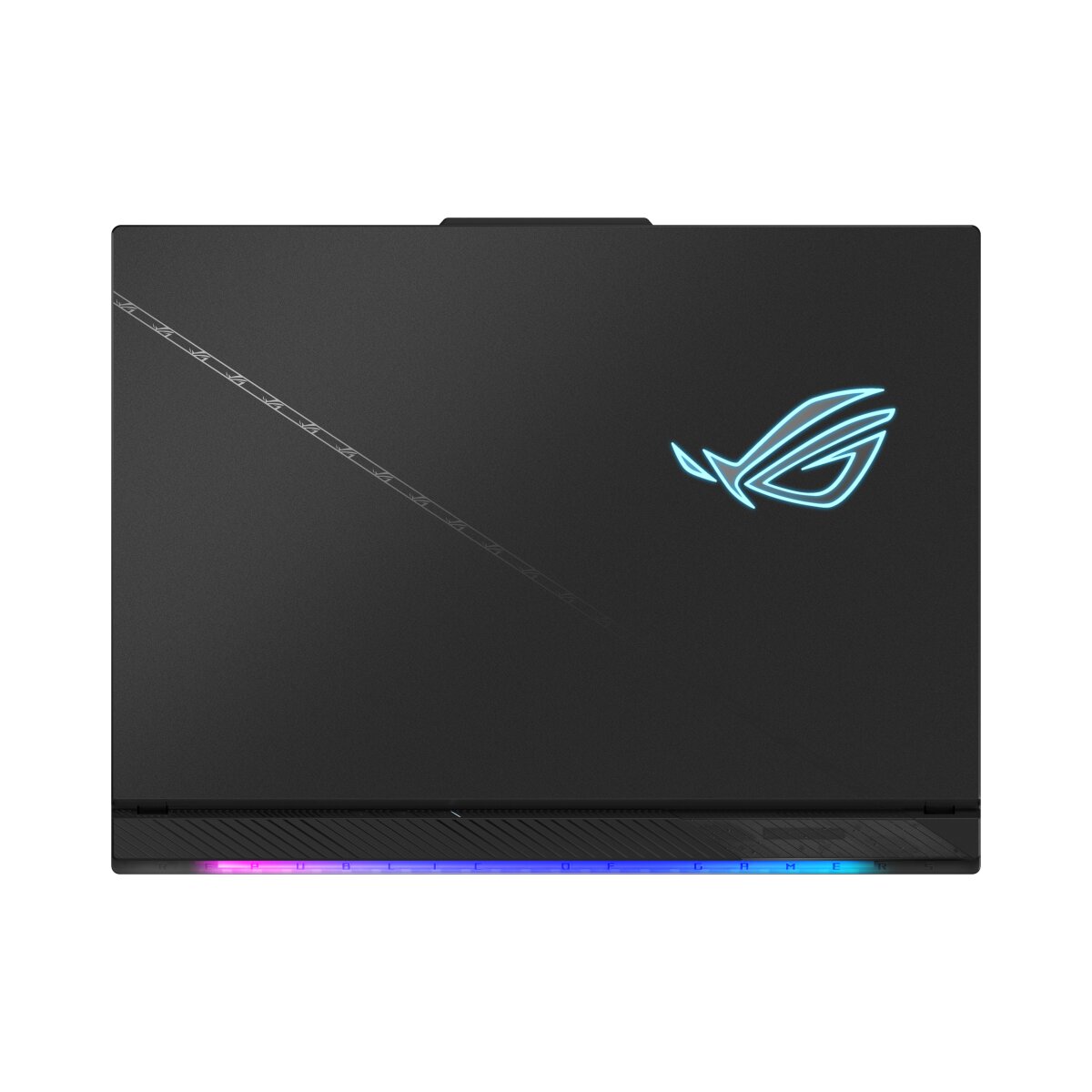
The ASUS ROG Strix SCAR 16 model G634JY-NM001W features DDR5-SDRAM memory upgrade capabilities. The laptop contains 2x SO-DIMM slots supporting a maximum RAM capacity of 64 GB. Compatible memory modules operate at 4800 MHz frequency. Specifications indicate SO-DIMM form factor components are required for upgrade compatibility. The G634JY-NM001W accommodates DDR5 memory technology with upgrade slots available for expanding system memory up to the stated maximum capacity. Memory specifications remain consistent with ROG Strix SCAR 16 series platform requirements.
Memory Upgrade Specifications
| Specification | Value |
|---|---|
| Memory slots | 2x SO-DIMM |
| Form factor | SO-DIMM |
| Memory type | DDR5-SDRAM |
| Frequency | 4800 MHz |
| Maximum RAM | 64 GB |
| Voltage | 1.1V |
| Number of pins | 262-pin |
| Interface | PC5 |
| PC Speed Rating | PC5-4800 (PC5-38400) |
| Bandwidth | 38.4 GB/s |
| Laptop Release date | 10 February 2023 |
Additional Notes
- The dual-channel architecture utilizes both SO-DIMM slots to maximize memory bandwidth for CPU-intensive tasks.
- The maximum capacity limit prevents the use of 48 GB or 64 GB single-stick modules, restricting configurations to a 32 GB plus 32 GB setup.
- High-speed DDR5 modules installed in the ASUS ROG G634JY-NM001W will automatically downclock to 4800 MHz if the system firmware does not support XMP or EXPO profiles.
- Physical access to the memory slots requires removal of the underside chassis panel, which requires careful handling of the integrated RGB light bar connectors to avoid ribbon cable damage.
- The use of SO-DIMM modules implies a latency trade-off compared to soldered LPDDR5 memory, though it allows for future hardware replacement.
- Operating at 4800 MHz ensures compatibility with the integrated voltage regulation circuits found on DDR5 modules, reducing thermal pressure on the motherboard VRMs.
- Upgrading to the 64 GB threshold provides sufficient overhead for 4K video editing and virtual machine hosting without triggering page file swapping on the primary storage.